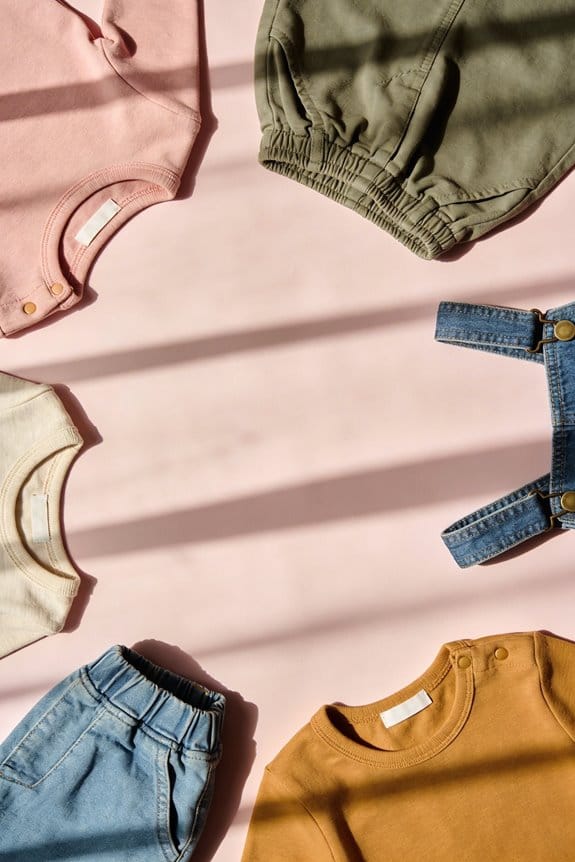

Fast fashion greatly affects our environment, particularly impacting our kids’ future. It contributes to about 10% of global carbon emissions, harms water supplies, and generates huge textile waste. We can guide kids toward better choices by encouraging quality, long-lasting clothing, and exploring secondhand options together. Teaching them about sustainable fashion helps foster responsible habits. By examining brand practices, we can make sure we support those genuinely committed to sustainability. There’s so much more we can explore on this topic.
Key Takeaways
- Fast fashion contributes to about 10% of global carbon emissions, impacting the environment significantly and affecting future generations.
- Producing a single cotton t-shirt requires approximately 700 gallons of water, stressing crucial water resources.
- Every second, a truckload of textile waste is dumped in landfills, highlighting the sustainability crisis associated with disposable clothing.
- 35% of ocean microplastics come from synthetic fabrics, posing severe threats to marine life and ecosystems.
- Educating kids about sustainability can empower them to make responsible choices and reduce their environmental footprint when shopping for clothing.
What Is Fast Fashion and Why Is It a Concern for Kids?
Have you ever noticed how quickly kids seem to tire of their clothes? Fast fashion is a big reason for that. It’s all about cheap, trendy clothes that are made really quickly, and it’s changing how our children think about what they wear. Brands like Shein and H&M keep rolling out the latest styles at lightning speed, which can make kids prioritize getting the newest look over thinking about where their clothes come from or how they’ll affect the planet.
So, why does this matter? When kids focus only on what’s “in,” they might not consider the impact of their choices. Fast fashion can lead to serious environmental problems. We’re talking about rising global carbon emissions from the manufacturing process and massive resource depletion from things like water needed to grow cotton. The synthetic fibers used in many garments aren’t great, either.
Try this: Encourage your kids to think about quality when choosing clothes. Instead of buying a bunch of cheap items, help them learn to invest in key pieces that last longer. It’s an important lesson in sustainability that can really shape how they approach fashion in the future.
The best part is, by promoting this mindset, you’re not only helping the planet, but also teaching kids to value their belongings. After all, clothes should be more than just something to wear; they can be a true reflection of who they are.
Truth is, emphasizing sustainable choices around fashion can set a precedent for future generations. Choosing organic baby clothes can be a great way to introduce children to eco-friendly clothing options from the start.
Let’s make clothing matter in a good way. Have you talked to your kids about their fashion choices lately?
Environmental Damages Caused by Fast Fashion
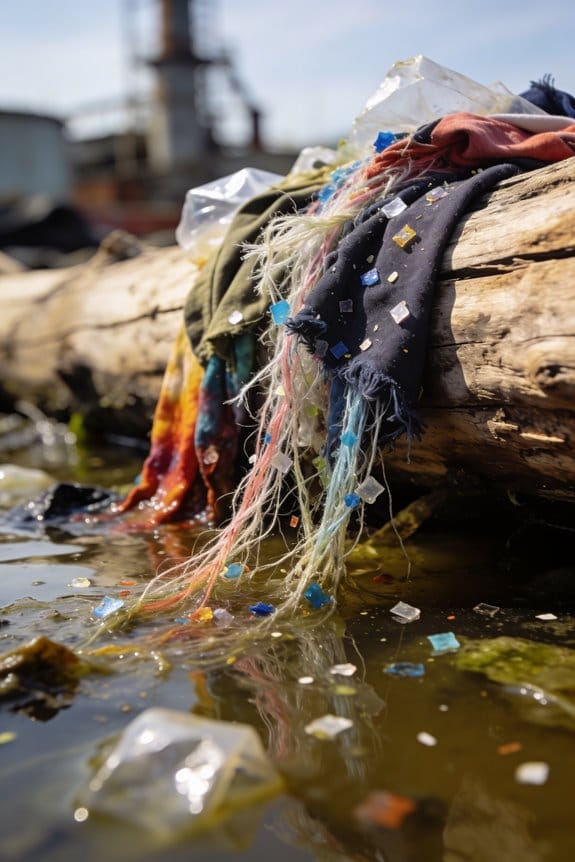
Have you ever stopped to think about how your wardrobe choices affect the planet? The fashion industry has come under fire for some serious environmental issues, particularly fast fashion. This isn’t just a minor problem; fast fashion accounts for around 10% of global carbon emissions, which is more than both aviation and shipping combined. That’s pretty eye-opening, don’t you think?
Consider the water waste involved. Making just one cotton t-shirt can use up to 700 gallons of water! That’s more water than many people have access to for a whole week. And it gets worse. Every second, a truckload of textile waste ends up in landfills, contributing to a growing problem. You might be surprised to learn that about 35% of ocean microplastics come from washing synthetic fabrics. So, why does this matter? It’s a direct hit on both our environment and our health.
Honestly, there’s a simple way to tackle these issues: choose eco-friendly clothing. When you support sustainable brands, you help reduce your carbon footprint and promote better practices in the industry. Try this: when you shop next, look for companies committed to using recycled materials, or those that focus on ethical production. The best part is you’ll not only feel good about your purchase, but you’ll also be contributing to a healthier planet for future generations.
Choosing products made from organic cotton is one important step in reducing harmful environmental impacts caused by synthetic materials.
It’s clear that our clothing choices have far-reaching effects. By shifting to sustainable options, we can lessen our impact and even inspire others to do the same. So, the next time you’re tempted to buy that cheap trendy dress, just pause for a moment. What kind of world do you want to support with your spending?
Encouraging Kids to Embrace Secondhand Shopping
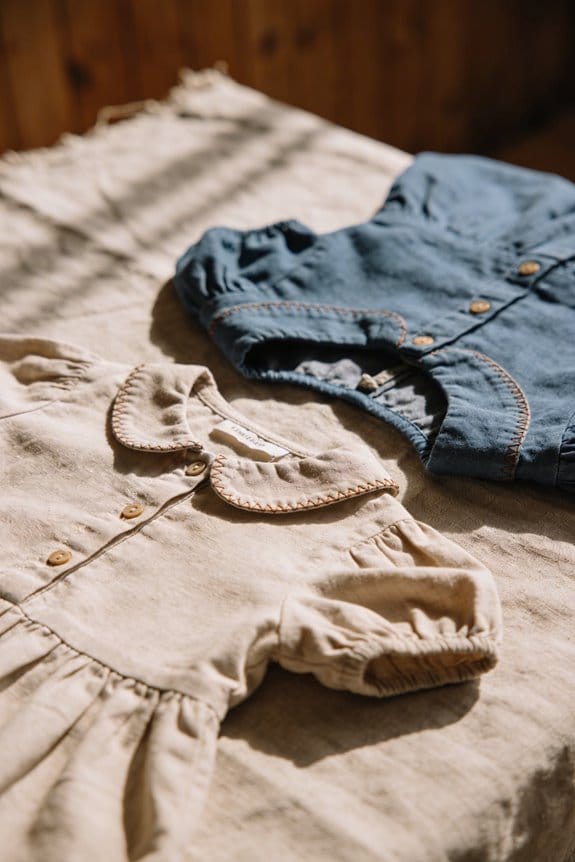
Have you ever thought about how exciting secondhand shopping can be for kids? Not only is it a fun adventure, but it also helps your family reduce waste and support a circular economy. When kids pick out reused clothing, they’re making a choice that means fewer new items need to be produced, which is a win for our planet.
Plus, thrift stores are treasure troves of unique pieces that let kids express their style and creativity. Instead of wearing the same clothes as everyone else, they’ll discover fashion finds that are truly one-of-a-kind. Honestly, who doesn’t love a quirky vintage t-shirt or a classic pair of shoes that tells a story?
Secondhand shopping is also a fantastic way to save money. Families can score awesome deals while stretching their budgets. You might even find quality items that last longer than fast fashion pieces. Teaching kids to value quality over quantity helps them develop better shopping habits, which is something that’ll stick with them for life.
So, why does this matter? With textile waste piling up in landfills, every little bit counts. By helping your kids embrace secondhand shopping, you’re not just saving money; you’re also showing them how to care for the environment.
Choosing clothing made from soft, breathable materials can further benefit your children’s comfort and skin health, making their fashion choices both eco-friendly and gentle.
The best part is, this experience can be a bonding activity for you and your kids. Take them with you to thrift stores and let them rummage through the racks. You might be surprised by what they find—and they’ll feel a sense of pride in their unique look.
How Can Parents Teach Kids About Sustainable Fashion?
Teaching kids about sustainable fashion can feel a bit daunting, but it’s really an opportunity to set them up for a more eco-friendly future. Have you ever stopped to think about where your clothes come from? It’s a great conversation starter! For instance, did you know that a single cotton t-shirt can use around 700 gallons of water in its production? These facts can really open their eyes to the impact of the clothing industry on our planet.
Fast fashion also plays a massive role here, contributing nearly 10% of the world’s carbon emissions. It’s important to talk to kids about this and help them see how their choices affect the environment. So, why does this matter? Because understanding these connections can help them become more responsible consumers.
Try this: Encourage your kids to research the origins of their clothing. It might seem boring at first, but it can be eye-opening! When they know the stories behind their favorite items, they might think twice before begging for that trendy shirt or pair of shoes.
Instilling the idea of “buying slow, buying better” can also be beneficial. Encourage them to appreciate quality over quantity. Instead of just going for the cheapest option, they can learn to seek out items that are made sustainably and last longer.
Here’s the trick: when they want something new, suggest a waiting period before they buy it. This little pause can help reduce impulse purchases and give them time to think about whether they really need that item. It’s a habit that can promote more mindful shopping throughout their entire life.
Introducing children to organic cotton certification can also help them understand the importance of choosing clothes free from harmful chemicals and made with eco-friendly practices.
Ultimately, it’s all about fostering good habits. Helping kids understand their purchasing decisions will not only support their choices today but inspire them to advocate for a more sustainable future. So, what sustainable fashion habits can you start practicing with your kids today?
How to Spot Greenwashing in Misleading Fashion Brands
How can you make sure you’re not getting tricked by greenwashing when shopping for your kids’ fashion? First off, look for brands that are open about their supply chains. It can be tough to spot truly sustainable clothing with all the flashy marketing out there, so doing a little research is key.
Here’s the trick: check for certifications, but don’t just take them at face value. Make sure that those certifications are backed by strong standards. You can also dive into resources like Fashion Revolution’s brand transparency rankings. They do a solid job of breaking down companies’ eco-friendly practices and will give you a clearer picture.
Now, if a brand boasts about being sustainable, take a closer look at their entire product line. Do all their items reflect that commitment, or just a select few for marketing? It’s worth your time to peel back the layers and see whether it’s the real deal or just a marketing ploy.
Staying informed and questioning what brands claim is super important, especially when it comes to our little ones’ future. Honestly, every choice you make can have an impact. So, the next time you’re shopping, do a bit of digging first. What are some brands you’ve come across that seem to walk the talk? Also, be sure to check for products labeled with OEKO-TEX certification to ensure they meet rigorous safety and environmental standards.
Frequently Asked Questions
How Does Fast Fashion Affect Children’s Health Specifically?
Fast fashion’s like a hidden storm, bringing childhood allergies and skin irritations from toxic dyes. We see low-quality materials and labor exploitation hurting mental health, while eco-toxins contribute to respiratory problems. Let’s choose sustainable options.
What Are Some Alternatives to Fast Fashion for Kids?
We can explore alternatives like thrift shopping, handmade clothing, and clothing swaps. Let’s consider sustainable materials, upcycled apparel, and DIY fashion. Renting clothes and supporting local artisans through capsule wardrobes can promote slow fashion for our kids.
How Can We Recycle Children’s Clothing Effectively?
Recycling children’s clothing effectively isn’t just about waste; it’s about community. We can engage in clothing swaps, support local businesses with donation drives, join upcycling projects, and create sustainable practices through family exchanges and community workshops.
Are There Eco-Friendly Brands Focused on Children’s Fashion?
Absolutely, there’re several sustainable brands offering children’s fashion with eco-friendly materials like organic cotton. They prioritize ethical production, support local artisans, and promote consumer education, along with recycling initiatives and upcycled fashion for a better future.
What Role Do Schools Play in Promoting Sustainable Fashion Awareness?
Schools play an essential role by offering sustainable workshops, eco-friendly initiatives, and ethical fashion within their curriculum. Through awareness campaigns, community projects, and student-led initiatives, they encourage parental involvement and collaboration partnerships for effective recycling programs.