
To organize a clothing swap with other parents, let’s start by choosing a weekend or a school break for higher turnout. We can select a spacious venue like a community center, guaranteeing there’s room for displays. Each family should bring around ten items, focusing on quality and variety in sizes and styles. Setting up labeled areas for organization will help everyone navigate easily. After the swap, we can donate unclaimed items, supporting local charities. There’s much more we can cover to guarantee a successful event.
Key Takeaways
- Schedule the swap on weekends or school breaks to maximize participation, avoiding conflicts with school calendars.
- Choose a spacious venue like a community center and clearly communicate guidelines for participants to bring around 10 quality items.
- Encourage diversity by stating all sizes and styles are welcome, and set up designated areas for easy navigation of clothing categories.
- Create a welcoming atmosphere with comfortable seating, refreshments, and a designated area for trying on clothes with good lighting.
- Organize post-swap donation of unclaimed items to local charities while encouraging participants to share their experiences and feedback for future events.
Key Benefits of Hosting a Clothing Swap
Are you tired of the constant cycle of shopping for new clothes, only to find out your family’s wardrobe is bulging with items no one wears? Hosting a clothing swap might just be the fun, cost-effective solution you’re looking for. At these parties, you not only declutter your home but also have a chance to connect with other parents in your community.
Think about it: you can exchange clothes with friends and neighbors, all while promoting sustainability by recycling items instead of tossing them in the trash. The best part is that families typically swap clothing worth around $500. That means you can refresh your closet without spending any money!
Here’s the trick: reach out to a few friends or local parenting groups to set a date and make it a social adventure. You can nibble on snacks and enjoy some time together while sorting through clothes.
Frankly, if you’re like many of us, you probably have kids’ clothes that still have tags on them or outfits they only wore once or twice. Why not give those items a new life? Plus, many clothing swaps allow you to donate any leftover items to local charities, giving back to your community.
Taking part in a clothing swap is also a clever way to build a capsule wardrobe, focusing on versatile, durable pieces that can be mixed and matched throughout the school year.
Next time you’re thinking about ways to mix up your family’s wardrobe, consider gathering some friends for a clothing swap. It’s a practical way to update your clothes and strengthen community bonds. So, are you ready to give it a try?
Choosing the Right Date and Location for Your Clothing Swap
Selecting the right date and location for a clothing swap can feel like a big puzzle at times. Have you ever tried to plan an event and realized that picking the right day is half the battle? To maximize participation, aim for weekends or school breaks when parents are more likely to be free. It can also help to check the school calendar or local happenings to avoid any scheduling conflicts.
When it comes to the venue, go for something spacious and accessible. Community centers or school gyms are great options because they allow people to move around easily and chat with each other. Plus, if you host the swap in Spring or Fall, it aligns perfectly with that itching desire to switch up our wardrobes! So, why does this matter? A little planning can turn a simple swap into a fun community event.
Once you’ve settled on the date and location, get the word out there! Be sure to communicate the details clearly through flyers or social media. Give at least 3-4 weeks’ notice for RSVPs, and encourage everyone to start prepping their items early. It helps to remind folks that they’ll be trading in clothes they may not wear anymore for fresh finds. Including versatile pieces like girls crewneck cardigans can increase the appeal and usefulness of swapped clothing.
Essential Guidelines for Items to Bring for Swapping
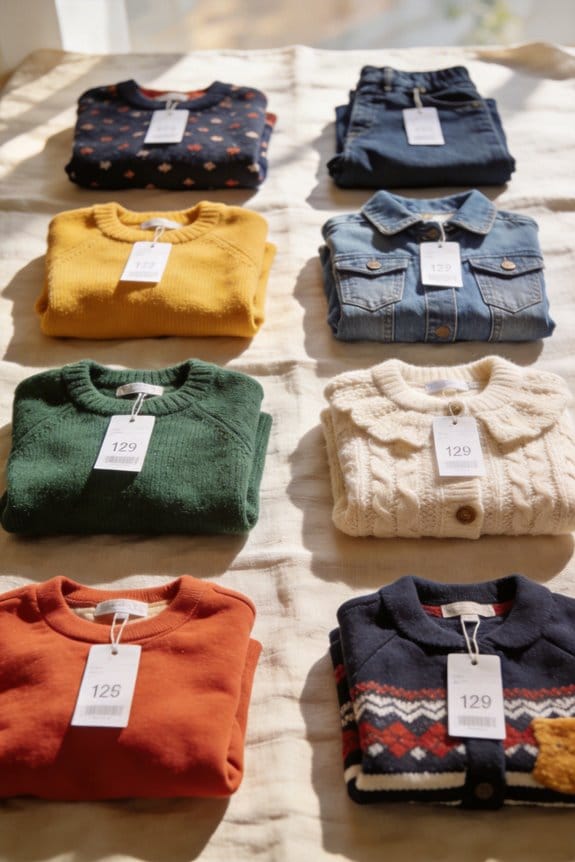
Ever rummaged through your closet only to find clothes you haven’t worn in forever? Swapping those old threads can feel refreshing and help you score some new-to-you treasures. Here’s how to make our clothing swap a hit!
First off, try bringing at least 3-5 items. Think beyond just clothing to include shoes and accessories, too. You can even toss in non-sized goodies like jewelry or books to spice things up! But remember, all items should be clean and in good shape—nobody wants to swap for something with stains or holes.
It’s also super important to think about inclusivity. Let’s make sure there’s a variety of sizes available so everyone can find something they love. Don’t forget to add items like bags, hats, or even cosmetics, as these can catch the eye of different attendees.
Now, here’s the trick: to keep things fair, let’s set a limit on how many items each person can take home. It keeps the trading balanced and fun! So, pack your swaps with care, and get ready to discover some fantastic finds.
In the end, a clothing swap can lighten your closet and refresh your wardrobe all in one go. Choosing versatile, reversible options can add extra value to items brought for swapping. So, what’s your favorite item you’d love to swap?
Organizing the Space for a Smooth Event Experience
Creating an organized space for a clothing swap can make all the difference in how much fun everyone has. Are you tired of sifting through piles of clothes to find something you actually want? Here’s how to set up a space that flows smoothly.
Start by designating clear areas for different clothing categories. Think tops, bottoms, accessories—you get the idea. Setting everything up with labels will help everyone find what they’re looking for without wasting time. You don’t want people browsing through every single item when they could be chatting and swapping!
Next, consider adding a dressing area with a mirror and good lighting. Trying on clothes can feel a bit awkward, but having a comfortable space can change that. It’s also helpful to use portable racks for displaying items. This keeps everything organized and makes it easy to see what’s available. Plus, it just looks nicer!
And don’t forget the atmosphere. A welcoming space goes a long way! Comfortable seating and some refreshments encourage folks to chat and connect while cleaning out their closets. How often do you get to declutter while hanging out with friends?
To make the event even better, you might want to include a special section for special occasion dresses, as these are often sought after and require careful handling.
Keep these tips in mind, and you’re well on your way to hosting a successful clothing swap. What’s one clothing item you hope to find at the next event?
Inspiring Participation and Building Excitement
Setting up a clothing swap can seem like just another task, but it’s so much more than that. Have you ever thought about how many clothes end up in landfills each year? It’s a staggering amount and every swap we host can help tackle that issue. By participating, you’re not only refreshing your wardrobe but also playing a part in reducing textile waste.
To get everyone excited, start by crafting invitations that pop! Why not include themes? Maybe a “Retro Revival” or a “Spring Fling”? And who could resist coming if you throw in some delicious snacks? Just imagine how amazing it would be to have a mini fashion show for kids, showcasing their swapped outfits. Parents know how quickly kids outgrow clothes, so this swap is a clever way to keep their closets updated without breaking the bank.
Don’t underestimate the power of storytelling. When people hear about past successes from previous swaps where families walked away with clothes they loved, it can really inspire them to join in. Have friends or neighbors share their experiences. It’s heartwarming to hear how families got new-to-them outfits without spending a dime.
Using social media is a great way to connect and build excitement, too. It can be as simple as posting in community groups, sharing photos, or starting discussions about the swap. Strengthening our community ties while decluttering? Now, that’s a win-win!
Including items made from breathable fabrics ensures that swapped clothes remain comfortable and practical for children.
Setting Up Fun Rules for a Smooth Swap
Organizing a clothing swap can feel like a big task, but with some straightforward rules, it can be a breeze. Have you ever shown up to a swap only to find chaos? That’s why it’s important to have clear guidelines in your invitations. Aim for each person to bring around 10 items. This keeps the swap manageable and ensures there’s a great variety to choose from.
Now, let’s talk about the selection process. Consider using a number-drawing system for fairness. This way, everyone gets a chance to pick 1-2 items at the start. Group the clothing based on categories like type, size, and accessories, and make sure to label everything clearly. It’s all about making it easy for everyone to find what they’re looking for.
To keep track of how many items each person can take, a token system works wonders. When you set this up, it creates a sense of fairness among participants. It might feel a bit formal, but it’s worth it when everyone walks away happy.
One thing to remember is that all sizes and styles should be welcome at the event. Encouraging quality items means that everyone can feel good about what they’re picking.
How to Cater to All Sizes and Styles
Have you ever shown up to a clothing swap, only to find a sea of choices that just don’t fit your style or size? It can be frustrating when the intended inclusivity falls short. To make sure everyone feels welcome at our swap, it’s key to cater to a variety of sizes and styles.
Start by clearly stating in the invitation that all sizes are encouraged. This little tip can make a huge difference. Encourage folks to bring a mix of items—everything from petite to plus-size. You can even set up labeled areas for each category. It’s super helpful for everyone to find what they’re looking for without feeling overwhelmed.
Another fun idea is to set aside space for unisex items and seasonal accessories. You want to create a vibe where everyone feels like they can find something that suits their taste, right? So, think about those quirky pieces that might not fit neatly into a category but could be someone else’s treasure.
It’s also important to remind everyone that all items should be in good condition. Trust me, having a rule like this helps create a positive atmosphere. Participants appreciate knowing they’re only swapping quality pieces.
To make the swap even more beneficial, consider including pieces made from soft, breathable fabrics to ensure comfort for all participants.
So, why does this matter? By offering a thoughtful selection, you’re ensuring that each person leaves feeling happy and stylish, no matter how they choose to express themselves. Everyone deserves to feel good in what they wear, and your swap can be the perfect place for that.
To wrap it up, let’s focus on creating a fun and inclusive experience for all. Are you ready to make your clothing swap more welcoming?
Handling Leftover Items: Donation Strategies
Have you ever organized a clothing swap and wondered what to do with all the leftover items? It can be a bit tricky, but having a solid plan in place can really save the day. One effective approach is to gather all the unclaimed items and make a list of local charities or thrift stores that will accept them.
Before the swap, do a bit of research on these organizations. You want to ensure they welcome the type of clothing you’ve collected. This helps you know where to send those garments once everything is done.
Also, don’t hesitate to encourage participants to take home any unclaimed items. This way, you not only keep the spirits high, but you also give everyone a chance to benefit from the event. Reducing waste is a win for everyone involved!
If you still have items left after the swap, think about organizing a second donation effort down the line, especially with changes in seasons. You can target specific needs, like warm clothing for winter or back-to-school items.
Make sure to share your donation plan with everyone who attends. People appreciate knowing that their contributions are going to a good cause. So why does this matter? It promotes recycling and helps others in need, which is something we all can get behind.
In the end, having a strategy for leftover items not only enhances your event, but it also creates a positive impact in your community. Consider emphasizing the importance of organic cotton in donations, which ensures safer and more sustainable clothing options for children. What’s your favorite way to give back after a clothing swap?
Creating a Positive Atmosphere With Refreshments
Creating a welcoming atmosphere can make all the difference at a clothing swap. Imagine walking into a cozy space where you can sip on a glass of wine or munch on some tasty snacks. Isn’t that the kind of vibe that makes you want to linger a little longer? Refreshments do more than just please the palate; they open up avenues for conversation and connection among attendees.
Don’t forget to include options for everyone. It’s simple: a variety of drinks—both alcoholic and non-alcoholic—will ensure that no one feels left out. When people gather around refreshment stations, they naturally start chatting about swapping tips or sharing their latest fashion finds.
Now, about that music. Setting the right tone with a curated playlist can greatly enhance the mood of your event. Think of it as the background to lively conversations; it encourages guests to relax and enjoy themselves, which is what these swaps are all about.
When you put careful thought into the atmosphere—comfortable settings, thoughtful refreshments, and the right tunes—you create an environment that encourages community spirit among parents. Including versatile outfit options like layered skirts can also spark interest and discussion among attendees. So, are you ready to make your next clothing swap an unforgettable experience? With the right elements, it could be just that!
The Long-Term Benefits of Community Clothing Swaps
Have you ever looked at your closet and thought, “I have nothing to wear”? If you’re like most people, it can feel overwhelming to keep your wardrobe fresh without breaking the bank. That’s where community clothing swaps come in, and they’re not just fun — they’re also packed with long-term benefits for your wallet and the planet.
By joining a clothing swap, you can save around $500 a year on clothes. That’s cash you can put toward other important things, like family activities or even a little self-care. It’s amazing how sharing clothes with others can have such a positive impact on your budget.
What’s even more crucial is the role these swaps play in cutting down textile waste. Did you know that the average person tosses about 81 pounds of clothing each year? That’s a lot of fabric going to landfills! Engaging in clothing swaps helps keep those items in circulation, promoting sustainable fashion. When you swap, you learn to appreciate pre-loved pieces and help extend their life.
Here’s the trick: not only do you freshen up your wardrobe, but you also build stronger connections within your community. Swapping clothes can foster friendships with other parents and create a support network that’s great for both you and your kids. It’s about sharing stories and experiences along with clothes.
So, why does this matter? It’s about making mindful choices for ourselves and the Earth. When we come together to exchange items instead of buying new ones, we’re sending a clear message — that we value sustainability and community. Choosing organic baby clothes when available at swaps supports this mission by reducing exposure to harmful chemicals and promoting eco-friendly practices.
In the end, participating in community clothing swaps can lead to a brighter future. It’s a win-win! Have you thought about trying a swap in your area? You might be surprised at how much you enjoy it!
Frequently Asked Questions
What Is the 3-3-3 Rule for Clothes?
The 3-3-3 rule for clothes means we bring three clothing items, three accessories, and three pairs of shoes. It’s a fun way to promote clothing sustainability and budget-friendly fashion, while ensuring a fantastic selection!
What Is the 70/30 Wardrobe Rule?
The 70/30 wardrobe rule’s like striking gold in fashion! We manage our closets by dedicating 70% to essentials and 30% to trendy items, embracing sustainable fashion while ensuring our wardrobe remains functional and stylish.
What Are the Rules of Clothing Swaps?
When we participate in clothing swaps, we should follow swap guidelines like bringing 3-10 clean, quality items and adhering to clothing etiquette by only taking what we contributed. This guarantees fairness and enjoyment for everyone involved.
How to Organize a Children’s Clothing Swap?
As we weave together a community fabric, let’s start our swap planning by gathering gently used clothing donations. With excitement, we’ll organize sizes, add games, and create a joyful atmosphere for everyone involved.