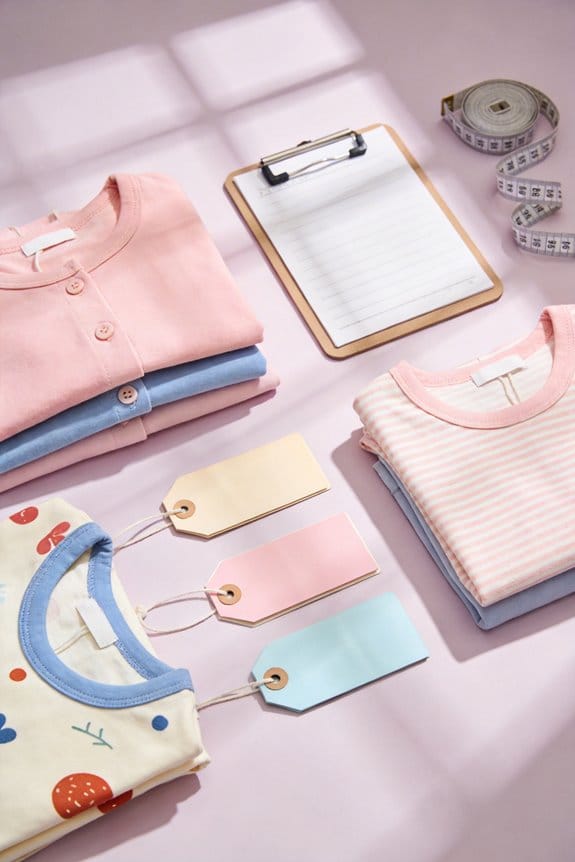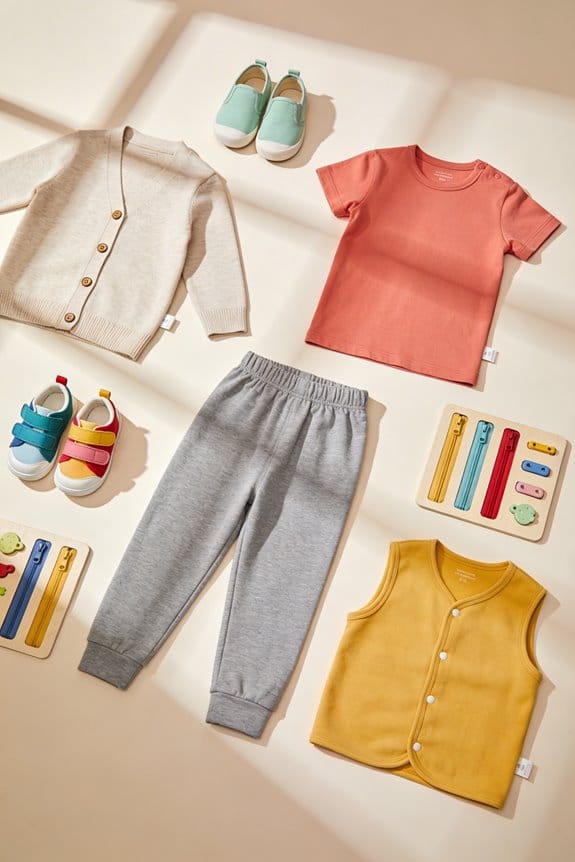


Layering clothes for classrooms with fluctuating temperatures keeps kids comfortable throughout the day. Start with a moisture-wicking base layer, like merino wool, to keep them dry. Add a versatile mid layer, such as a fleece, for warmth, and finish with a breathable, waterproof outer layer to protect against the elements. This system allows easy adjustments as temperatures change. By following these guidelines, we can help our kids stay ready for anything, and there’s more to explore on layering techniques.
Key Takeaways
- Start with a moisture-wicking base layer to keep kids dry and comfortable during temperature fluctuations.
- Choose a versatile mid layer, like fleece or a lightweight sweater, for added warmth that’s easy to remove.
- Select a breathable outer layer that is waterproof and has adjustable features for changing weather conditions.
- Opt for high-quality fabrics that enhance durability and moisture control, extending clothing lifespan.
- Regularly wash clothes on a gentle cycle and store them properly to maintain their performance and comfort.
How Layering Keeps Kids Comfortable in Classrooms
Layering clothes is key to keeping kids comfortable in classrooms, especially when the temperature can swing from chilly to warm in the blink of an eye. Think about it: how often do our kids go from feeling too hot to freezing just because the classroom thermostat is on the fritz? That’s where a solid layering system comes into play.
Start with a base layer—this is where moisture-wicking tops and leggings shine. These pieces not only keep your child dry but help them manage their body temperature, too. When the classroom feels a bit too brisk, mid-layers like lightweight sweaters or fleece jackets can step in to provide that extra warmth without the bulk. You want to ensure they can easily move around and focus on their work, right?
And let’s not forget about outdoor play! A good outer layer, like a water-resistant jacket, is a must-have to guard against those unexpected weather conditions. This way, whether they’re running outside for recess or heading to gym class, they’re always ready for whatever nature throws at them.
Honestly, encouraging layering isn’t just about keeping warm; it’s about teaching kids some independence when it comes to dressing nicely for varying conditions. Plus, it boosts their self-awareness about how they feel in different temperatures. Remember, every piece has a role in keeping them engaged, focused, and ready to tackle whatever comes their way.
Choosing fabrics with at least 70% cotton content ensures comfort and breathability, which is crucial when layering to manage fluctuating classroom temperatures.
Choosing the Right Base Layer for Kids’ Comfort
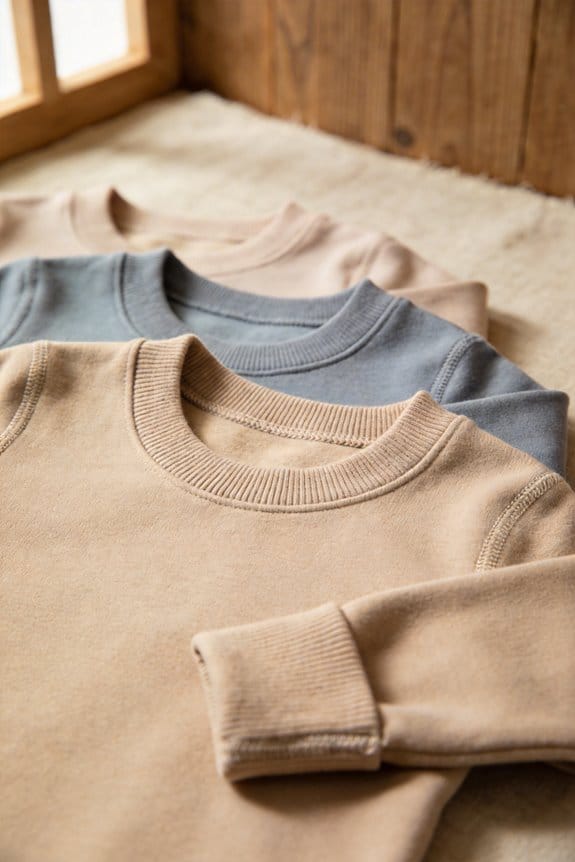
Choosing the right base layer can make a big difference in your child’s comfort, especially with those unpredictable temperature swings in the classroom. Ever notice how the room can go from chilly to stuffy in the blink of an eye? That’s why it’s a good idea to look for moisture-wicking materials like merino wool or polyester blends. These fabrics not only keep kids dry but also help manage those temperature changes.
Fit is just as important as the material. A snug fit will keep the warmth close while still allowing for good movement—because let’s face it, kids need to move! It’s wise to steer clear of cotton, though. While it feels nice, it holds onto moisture, which can lead to discomfort when your little ones start to run around.
Here’s a quick rundown of what to consider:
- Long-sleeve tops for cooler days.
- Short-sleeve tees for layering options.
- Leggings that offer flexibility and comfort.
And here’s the trick: adding a thin, breathable beanie can really help with temperature management in those cool classrooms. This small accessory can keep your child feeling cozy throughout the day without overheating. Additionally, selecting adjustable base layers can accommodate growth and ensure ongoing comfort as kids change sizes.
Selecting a Versatile Mid Layer for Layering Benefits
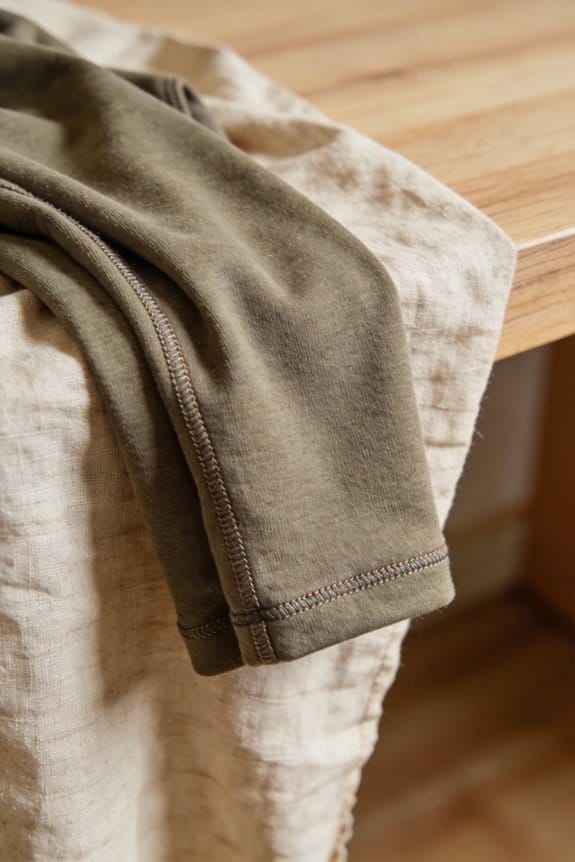
When it comes to keeping kids comfy in the classroom, a good mid layer is essential. Think about those times when the temperature fluctuates throughout the day—isn’t it a struggle to find something that keeps them warm without feeling restrictive? Lightweight fleece, down jackets, or cozy knit sweaters can be perfect. They provide warmth while allowing for freedom of movement, which is a must when kids are busy learning and playing.
Now, moisture-wicking materials are just as important. They help regulate body temperature, especially during those moments when kids are physically active. You definitely want layers that are easy to take off or throw on quickly for those sudden temperature changes. The best part is, choosing the right thickness for the season plays a big role in their comfort—it’s crucial for keeping them warm during winter and cool in spring.
Also, durability matters. Kids are tough on clothes, so picking fabrics that can handle daily wear and tear is practical. You don’t want to spend money on something that’s going to fall apart after a few washes. Honestly, opting for easy-care options means less time worrying about laundry and more time enjoying family fun! Be sure to consider machine washable materials for easy maintenance and longevity.
Choosing a Versatile Outer Layer for Classrooms
What happens when the weather doesn’t cooperate while you’re trying to keep students comfortable in class? That’s where a good outer layer comes into play. You want something lightweight, waterproof, and breathable so students don’t overheat when the temperature shifts throughout the day.
Here’s the trick: look for jackets with adjustable features. Hoods, cuffs, and hems that you can tweak mean a better fit for everyone and make layering a breeze. Styles that are simple to put on and take off are perfect for those quick weather changes.
And don’t forget about insulation! It’s crucial for keeping kids warm during outdoor activities without making them feel like they’re in a sauna. By choosing moisture-wicking materials, you help manage sweat, which is especially handy for active kids. What’s more, it’s a smart idea to pick jackets that can handle a bit of wear and tear. Durable and machine-washable options are lifesavers when it comes to the chaos that can happen during the school year.
Additionally, selecting fabrics that are breathable and promote ease of movement ensures comfort throughout the day.
How to Layer Kids’ Clothing for Temperature Fluctuations?
What do you do when the temperature in your kid’s classroom feels like a rollercoaster ride? Keeping kids comfortable through these ups and downs is all about mastering the art of layering. Start off with a moisture-wicking base layer—think merino wool or good old polyester. These fabrics help keep their skin dry by pulling moisture away.
Then, pile on some warmth with insulating mid layers like fleece. When it gets too warm, you can easily shed that layer. If the temp is just right, a lightweight outer layer works wonders. It keeps things breathable while protecting against those sneaky drafts that can creep in.
You should definitely keep an eye on your child’s comfort by checking their neck and hands. If they feel cold, it’s time to add a layer. And if they’re too warm? Time to peel one off. Also, I recommend always having an extra layer handy, like a cozy sweater or cardigan. This way, you’re ready for anything and can help your child stay focused on learning.
In the end, knowing how to layer clothing makes a difference during those temperature shifts. Choosing weather-resistant materials in outer layers especially helps keep kids comfortable despite temperature changes. Have you found any favorite go-to layers for your little ones?
Smart Shopping: Finding Quality Layered Outfits for Kids
When it comes to dressing kids for the ever-changing weather, finding the right layered outfits can be quite the challenge. You want them to be comfortable and ready for anything, right? That means thinking about how versatile and durable their clothes are.
Start with moisture-wicking base layers. Look for breathable fabrics like merino wool or synthetic blends; these keep little ones dry while they run around and play. For the mid layers, lightweight fleece or cozy sweaters are perfect. They provide warmth without feeling bulky and let you adjust easily as temperatures shift throughout the day.
And let’s not overlook the outer layers. Opt for waterproof options—nobody wants their kid getting soaked during sudden rain showers! When you’re shopping, keep an eye out for sales or multi-packs. It’s a smart way to snag quality clothing without breaking the bank.
Additionally, consider fabrics like linen blends that offer natural breathability and comfort, especially during warmer days when layering remains necessary.
So, why does this matter? Well, by focusing on these essentials, you’ll ensure your kids are always comfortable and ready for whatever the day throws at them, whether that’s a chilly classroom or an unexpected outdoor adventure.
At the end of the day, layering is the key to keeping up with kids’ busy lives. Have you found any go-to outfits that work well for your little ones?
Care and Maintenance Tips for Layered Clothing
Keeping your kids cozy and comfortable with layered clothing is a practical choice, but taking care of those layers is just as important. Have you ever noticed how some clothes lose their effectiveness after a few washes? To keep those moisture-wicking properties intact, wash the layers on a gentle cycle with cold water. Remember to steer clear of fabric softeners and bleach; they can really mess with the materials.
When it comes to outer layers, the right wash is crucial to maintaining their breathable and waterproof qualities. Here’s the trick: look for specialized detergents designed for technical fabrics. It’s a small change that can make a big difference in performance.
Storing layered clothing might not seem important, but it actually is. Make sure you keep everything in a cool, dry place to avoid mildew. And don’t forget to check your layers regularly for wear and tear. If you spot any significant damage, like holes in insulating gloves, it’s time to replace them to ensure your kids stay warm and comfortable.
Choosing fabric with breathability and comfort can extend the life and effectiveness of layered clothing by maintaining temperature regulation and moisture control.
Frequently Asked Questions
What Is the 3 Layer Rule for Winter Dressing?
The 3 Layer Rule involves combining snug base layers for temperature regulation, insulating mid layers for warmth, and protective outer layers for weather resistance. We can mix fabric choices and accessorize to balance fashion and function during outdoor activities.
What Is the 7 Layer Clothing System?
The seven layers consist of a base layer for moisture management, an insulating layer for warmth, and outer layers for wind and rain protection. Choosing versatile fabric types allows us to master effective temperature regulation in cold weather.
What Are Common Layering Mistakes?
We need to avoid a few layering traps. Mismatched materials and improper fabrics can lead to uncomfortable bulk. Ignoring flexibility, wrong fit, and inadequate coverage hampers our movement, while neglecting accessories leaves us unprepared for temperature changes.
How to Layer for Sub-Zero Temperatures?
When layering for sub-zero temperatures, we should start with a thermal base of moisture-wicking fabric, add a fleece mid layer, then an insulated coat, and finish with a wind-resistant shell for ideal fashion functionality during outdoor activities.