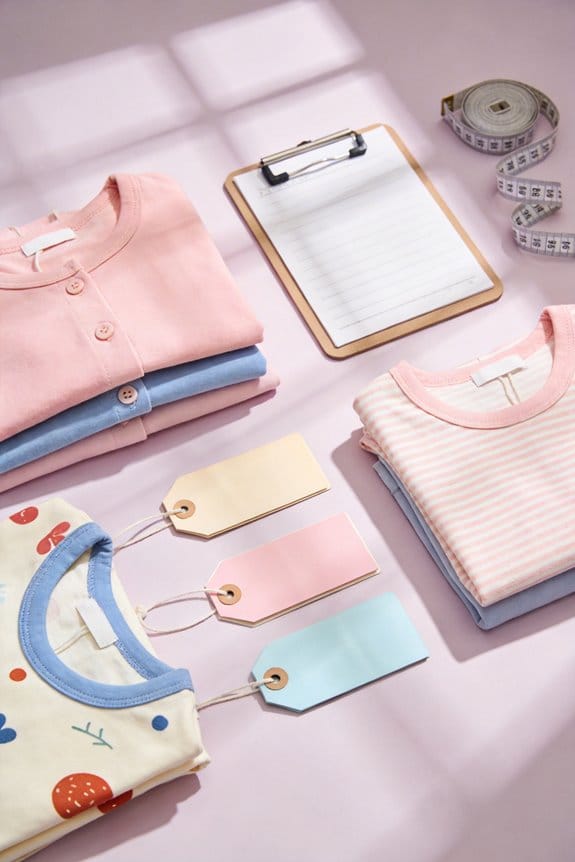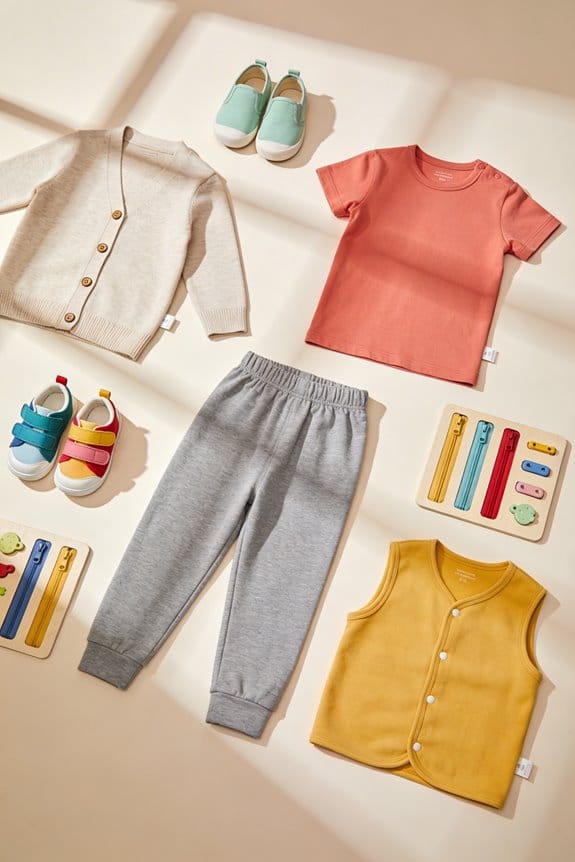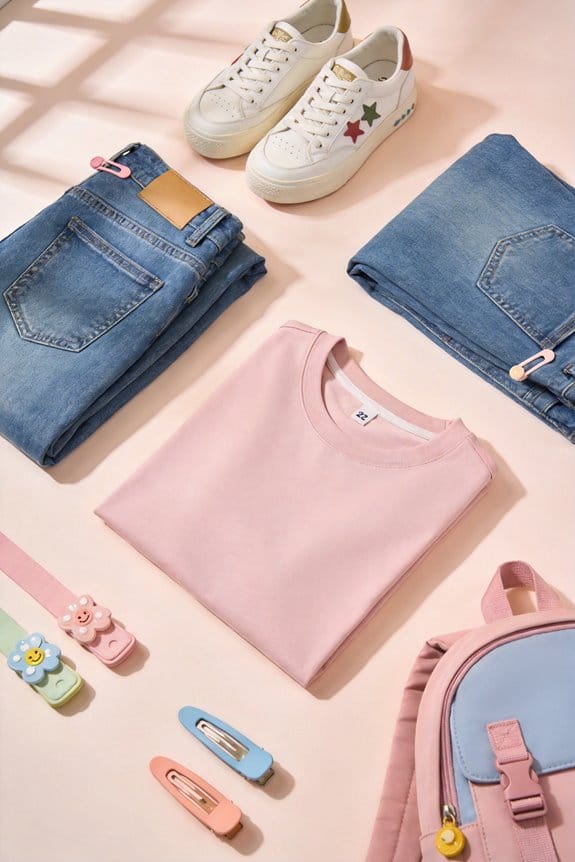
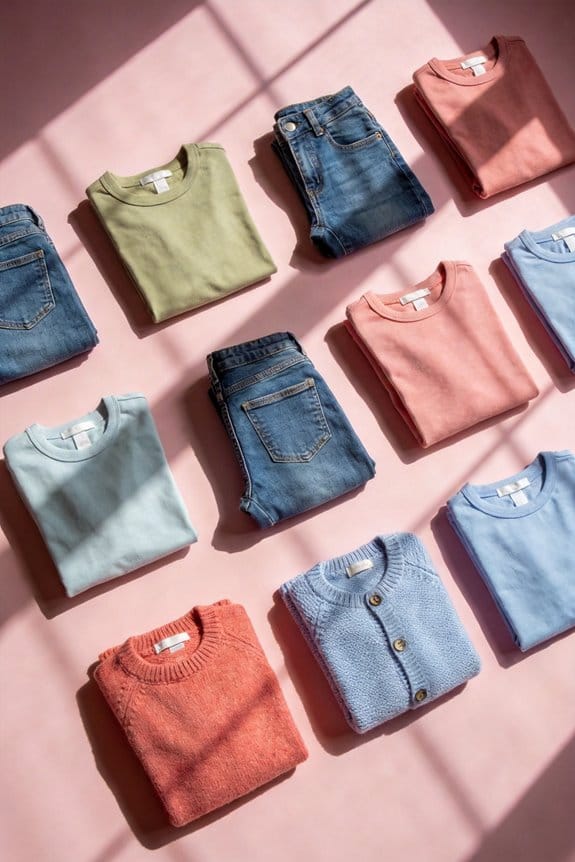

When donating kids’ clothes, we should focus on quality and relevance. Charities typically need clean, gently used everyday wear, seasonal items, and accessories. Before donating, let’s verify clothes are in good condition—no holes or broken zippers. We can sort items, wash them, and pack them neatly. It’s also helpful to engage our kids in choosing what to donate, fostering a sense of giving. Keeping these points in mind leads to a meaningful contribution, and there’s more to reflect on.
Key Takeaways
- Donate only clean, gently used items without broken zippers, holes, or significant wear to ensure usability for recipients.
- Charities require everyday wear, seasonal gear, outgrown clothes, and accessories to meet the needs of children effectively.
- Prepare donations by washing items, checking pockets, and folding clothes neatly for easy organization and transport.
- Engage kids in the process by allowing them to choose clothes to donate and sharing how their contributions help others.
- Research local charities through community centers, schools, and websites like Charity Navigator to find suitable donation opportunities.
Importance of Quality Standards for Donating Kids’ Clothes
When you think about donating kids’ clothes, have you ever considered the quality of what you’re giving? It’s an important thought. Charities generally have some basic expectations: they prefer clothing that’s clean, free from stains, and in good condition. So, it’s best to steer clear of those used clothes that have broken zippers or buttons, holes, or signs of significant wear and tear.
Why does this matter? Well, when you donate high-quality items, it means the clothes can be worn right away by kids who really need them, making their experience more positive. On the flip side, if a charity receives unusable donations, they often have to toss them. This creates extra waste and takes away resources that could be better used elsewhere.
Here’s the trick: before you drop off your donations, give them a quick once-over. Make sure they’re clean and in good shape. Think about what you’d want for your own kids; if you wouldn’t want to put it on them, it’s probably best to skip donating it. By focusing on quality, you’re not just helping a child in need; you’re also being mindful of your community and the resources around you.
Additionally, choosing clothing made from organic materials can further ensure safety and comfort for children receiving donations.
In short, quality really does matter when it comes to donations. So, next time you’re clearing out those kids’ closets, ask yourself: “Would I give this to a friend?” It’s a simple question, but it might just help make a big difference.
Top Items Charities Need When Donating Kids’ Clothes
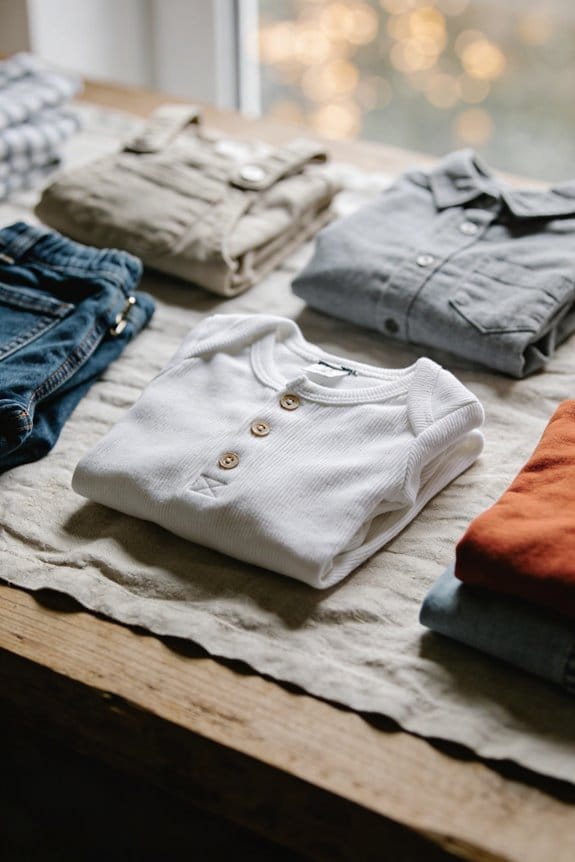
Have you ever looked at your kids’ overflowing closets and thought, “What do I even do with all these clothes?” Donating kids’ clothes is not just about clearing out space; it’s a fantastic way to support families who could really use a helping hand. But how do you know what charities actually need?
Here are some essentials that charities are always on the lookout for:
- Everyday Wear: Think T-shirts, jeans, and comfy sweaters. These items are staples that kids wear daily.
- Seasonal Gear: Coats, scarves, and mittens are crucial during the chilly months. They can really make a difference in keeping little ones warm.
- Outgrown Clothes: Kids grow like weeds, right? It’s always a good idea to pass along clothes that no longer fit.
- Accessories: Don’t forget about socks, hats, and belts. These little items help complete an outfit and are often overlooked.
- Professional Attire: Older kids can benefit from suits or dress shoes, especially for school events or job interviews.
So, why does this matter? Each small donation can have a significant impact. It’s about more than just clothing; it’s about giving children the confidence to step out into the world in outfits that fit and make them feel good.
You might be wondering how to get started with your donations. It doesn’t have to be overwhelming! Just take a few moments to gather these items. Make it a family activity—your kids might even enjoy picking out things they’ve outgrown or don’t wear anymore.
Choosing versatile and durable clothes, such as pull-on designs with adjustable waistbands, can help ensure that donations are practical and comfortable for the children who receive them.
In the end, donating your kids’ clothes can help create a ripple effect of kindness. So, the next time you think about tossing those outgrown outfits, remember the little ones who could really use them. What will you choose to donate today?
Simple Steps to Assess Your Child’s Clothing for Donation
Have you ever stared into your child’s overflowing closet and wondered what to do with all those clothes they’ve outgrown? It can be overwhelming, but tackling this task doesn’t have to be painful. Here’s a simple way to assess your child’s clothing for donation.
Start by checking each piece for cleanliness. You’ll want to ensure all items are free from stains and smells, so whoever receives them can use them without worry about hygiene. Next, group the clothing into categories: clean, gently used, and worn. If you come across anything damaged, it’s best to toss it.
Now, think about the fit. Clothes that are too tight or too short? Time to include those in your donation pile. Here’s the trick: matching sets or coordinating accessories can really add value to what you’re giving away.
Getting your child involved in this process can be super helpful, too. It gives them a chance to reflect on which pieces they no longer wear or need. Plus, it teaches an important lesson about giving to others.
So, why does this matter? A little effort from you can make a big difference for someone else in need. Also, considering seasonal suitability of clothes ensures that donations are practical and beneficial for recipients. The best part is, you’ll not only be clearing the clutter but also helping another family in the process.
In the end, take a moment to appreciate what you’ve accomplished. It’s all about making space—both in your home and in the hearts of those who will receive your donations. What clothes will you choose to pass on today?
How to Clean and Prepare Clothes for Donation
Cleaning and preparing clothes for donation can feel a bit daunting, but it doesn’t have to be. It’s important to ensure the items are safe and ready for their new home.
First off, giving all your donated clothes a good wash is crucial. This step helps get rid of any odors or stains, which is not only considerate but necessary for hygiene. Once washed, check that everything is completely dry—no one wants to receive moldy or mildewy items. Believe me, that can lead to some serious health risks.
Don’t forget to check those pockets! You never know what you might find: old receipts, change, or even some forgotten treasures. Make sure nothing unintentionally gets left behind.
After washing and drying, it’s time to fold the clothes neatly. This might seem simple, but it can prevent wrinkles and damage during transport. Here’s the trick: pair items together, like matching socks or shoes, using clothespins or ties. This little extra effort really boosts their appeal and makes it easier for new recipients to use them.
So, why does this matter? By following these steps, you’re not only helping others but also doing your part to keep the cycle of clothing going. It’s also helpful to prioritize donating hypoallergenic baby clothes, as many recipients value items that are gentle on sensitive skin.
In short, take some time to clean, dry, and prepare your clothes before donating. What’s your favorite tip for preparing donated clothes?
Organizing and Packing Donated Kids’ Clothes Effectively
When it comes time to organize and pack donated kids’ clothes, it can feel a bit overwhelming. But with a solid plan, you can make this process smoother than you might think.
First off, you want to ensure all the clothing is washed and free of odors. No one wants to deal with moldy donations, right? After that, fold everything neatly and don’t forget to check those pockets for any small items that might’ve been left behind. Here’s a tip: use clothespins to pair matching items together. This little trick makes it easier for recipients, and you’ll help them save time sorting through the donations.
Now, think about how you’re going to organize those clothes. Grouping them by age or type is a great way to simplify things for the charity teams sorting through them later. Use sturdy boxes or black bin liners for packing; you want your items to be secure and protected until they reach those in need.
Considering the importance of size and fit can help ensure your donations truly benefit the children who receive them.
The best part is that organizing donations doesn’t just make things easier for you, it helps others too. So, what’s your favorite method for getting things sorted?
Where to Find Local Charities for Kids’ Clothing Donations
Have you ever found yourself wondering where to donate those kids’ clothes that are taking up space in your home? It can feel overwhelming to sort through options, but there are plenty of local charities just waiting for your help.
Start by checking in with community centers; many of them join forces with organizations that run clothing drives specifically for children. You might be surprised at how many resources are available right in your own neighborhood.
Try this: look at websites like Charity Navigator or Guidestar. They can point you to registered local charities that accept donations, making your search a lot easier. And don’t forget to tap into schools and local churches. Keep an eye on their bulletin boards for announcements about clothing drives. You’d be amazed at how often these places are looking for donations.
The best part is organizations like Goodwill and the Salvation Army often collect children’s clothing. Just hit their websites to find drop-off locations near you.
Honestly, social media is another great resource. Local community groups on platforms like Facebook frequently post about upcoming clothing donation events. So, why not join a few and keep your eyes peeled?
In short, there are plenty of options for donating kids’ clothing right in your community. Have you thought about where you’ll drop off those clothes yet? It’s a simple way to make a big difference! Donating to charities that focus on Eco-Friendly Baby Products can also support sustainable and health-conscious families.
Get Your Kids Excited About Giving Back
Have you ever wondered how to get your kids excited about giving back? It can be tough to engage them in ways that feel meaningful, but here’s a simple way to make it fun and impactful.
Start by letting them pick out clothes to donate. This isn’t just about cleaning out the closet; it gives them a sense of ownership in the process. Seeing their contributions matter can really boost their pride. Share some stories about how those clothes will help other kids feel good about themselves. It’s eye-opening for them to realize that their old outfits can spark joy in someone else.
To add a little excitement, turn this into a mini challenge. Try this: flip all the hangers in your closet backward. Whenever they wear something, they can flip the hanger back. At the end of the month, any hanger still backward is ready for donation. You’ll be surprised at how motivated they get when they see their progress!
And let’s not forget about the planet. Discuss how donating helps reduce waste in landfills. It’s a great opportunity to instill values of sustainability in your kids. They might even surprise you with how passionate they become about it.
Consider hosting a “donation party.” Invite their friends over to sort and pack clothes together. It’ll be a chance for them to bond with their friends while doing something meaningful. Plus, it’s a lot more fun than just doing it alone!
Choosing clothes made from soft, breathable fabrics when donating can make a big difference for the recipients’ comfort.
At the end of the day, getting your kids involved in giving back can really change how they view the world. So, what’s stopping you from kicking off this initiative today? You might be surprised at how much they enjoy it.
Frequently Asked Questions
Where Should I Donate Clothing to Be Most Beneficial?
We should donate clothing to local donation centers, engage in community clothing drives, and explore thrift store partnerships or recycling textile programs. Each option guarantees our items benefit those truly in need while promoting sustainability.
What Is the Most Trusted Charity for Children?
We’ve found that UNICEF and Save the Children are among the most trusted charities for children. Their donation transparency and local outreach programs effectively support children’s organizations, making them reliable choices for our charitable contributions.
What Is the Best Charity to Donate Old Clothes To?
We believe the best charities for donating old clothes are our favorite local organizations, online platforms, and community clothing drives. They help guarantee our donations effectively reach those in need while supporting sustainable practices.
What Is the Rule of Thumb for Donating Clothes?
When donating clothes, we should guarantee they’re clean and wearable, while keeping seasonal donation guidelines in mind. Let’s also consider local charity preferences and effective donation strategies for the greatest impact in our community.