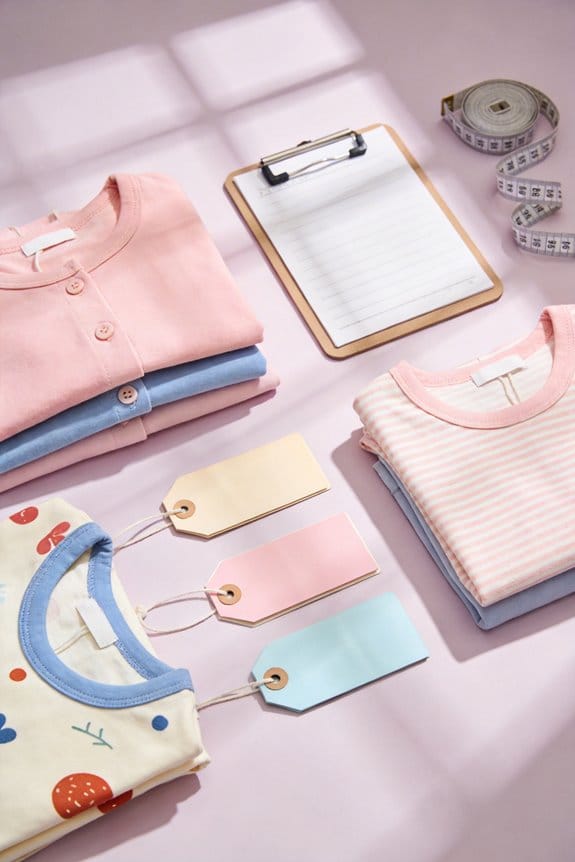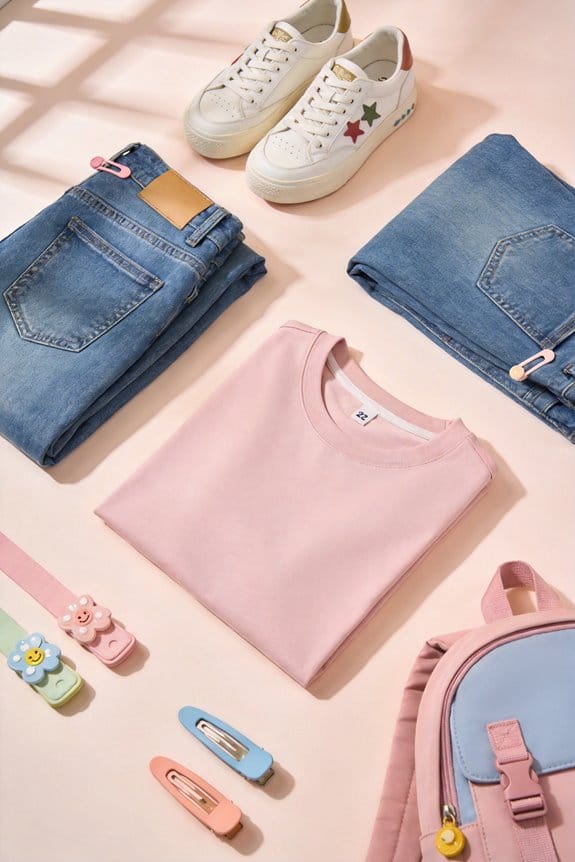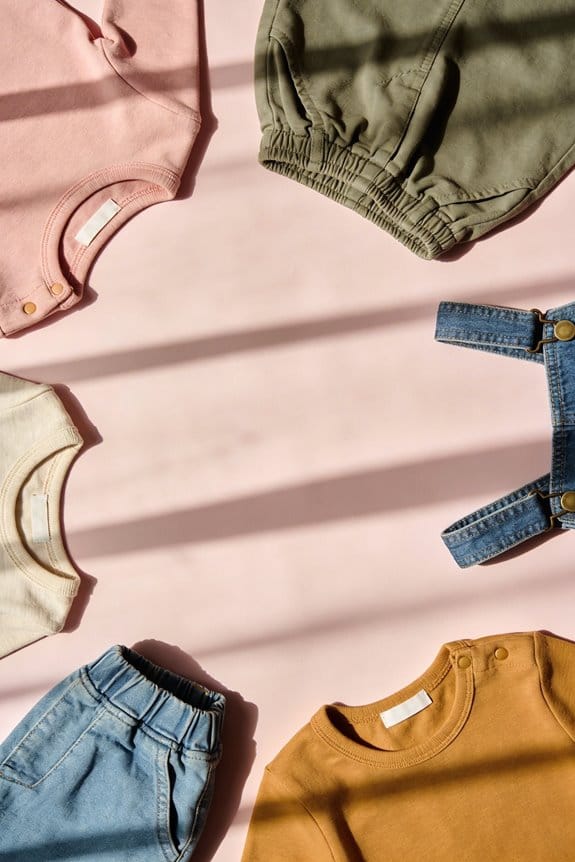
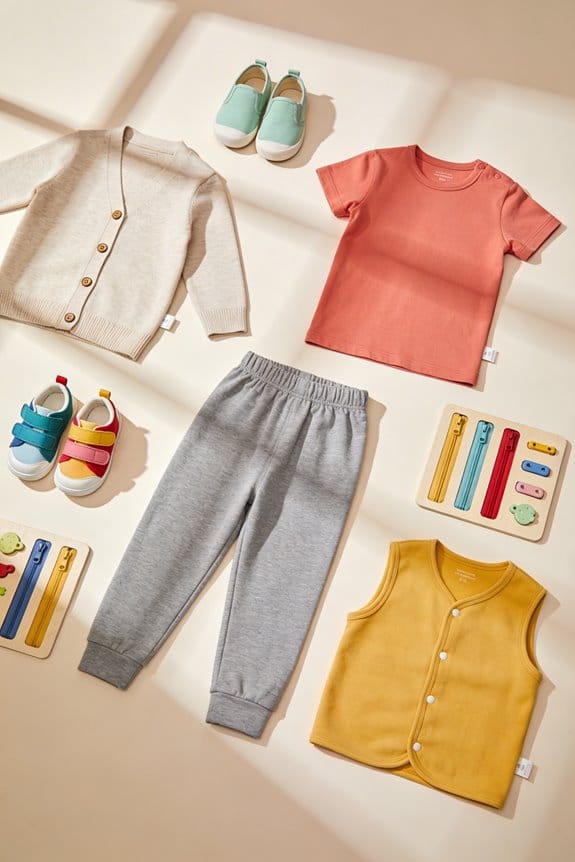

Teaching our kindergartners to dress themselves is essential for building their independence and confidence. We can start by breaking down the dressing process into simple steps, like wearing underwear first, then a t-shirt, and so on. Selecting clothing with easy closures, like elastic waistbands and velcro shoes, will simplify their experience. Using visual aids, encouraging problem-solving, and celebrating their progress are effective strategies. If we consider common mistakes and solutions, our children will become more self-sufficient in their dressing skills.
Key Takeaways
- Practice dressing together to provide guidance and make the learning process enjoyable for your child.
- Use visual aids like pictures to illustrate dressing steps and simplify the process.
- Choose clothes with easy closures such as snaps or velcro to encourage independence.
- Break down dressing into small, manageable steps and allow your child to attempt independently first.
- Celebrate their accomplishments to boost self-esteem and reinforce their problem-solving skills with dressing.
Why Learning to Dress Is Essential for Kindergartners
Have you ever watched a kindergartner struggle with getting dressed? It can be a mix of adorable and a bit frustrating, right? But here’s the thing: learning to dress themselves is so important for kids at this stage. It’s not just about putting on clothes; it’s about building their confidence and independence.
When children get the hang of dressing on their own, they express their personal style. Plus, it gives their self-esteem a real boost. They’ll work on motor skills, too, whether they’re buttoning up a shirt or trying to balance on one leg to pull on their pants. These moments are actually crucial for their physical growth.
Engaging in the dressing process goes beyond just physical skills. It also helps develop cognitive skills. You know, things like problem-solving? Kids have to figure out the steps involved—like which sock goes on which foot.
So, what can you do to help? Here are a few tips:
- Practice together: Spend some time letting them dress while you guide them. Make it fun!
- Break it down: Teach them the steps one by one. First, let them put on a shirt, and then move on to pants.
- Use visuals: Sometimes, showing them pictures of the process can help get the point across.
Choosing clothes with easy closures like snaps or zippers can make the dressing process smoother and more manageable for your child.
The best part is that as kids learn to dress themselves, you can take a step back. This little shift gives them a sense of responsibility and independence, which prepares them for a busier school environment.
In the end, teaching your child to dress is about more than just clothes. It’s about giving them the skills they need for the future. So, what’s your favorite way to help your little one with dressing?
Essential Tips for Helping Your Child Start Dressing Independently
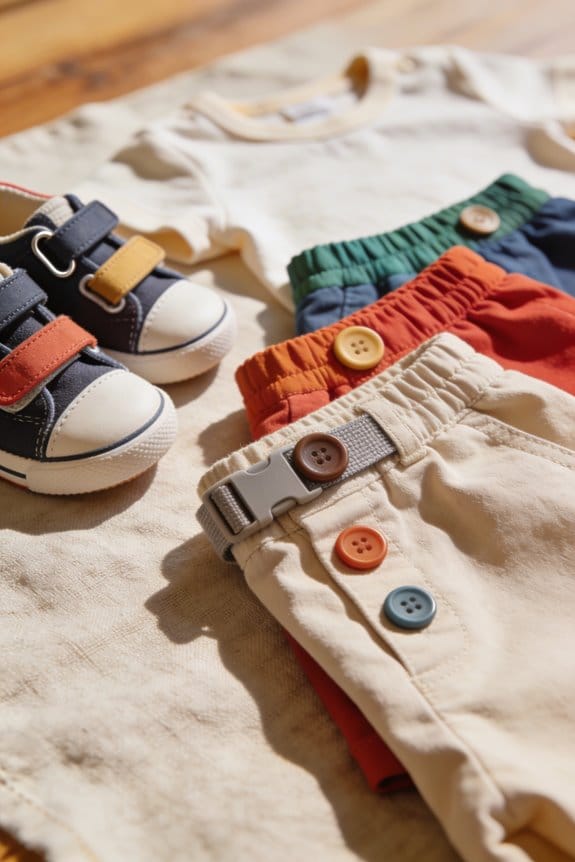
As kids start to gain confidence and independence, many parents wonder how to best support them in learning to dress themselves. It can be a struggle, right? To make this task a little smoother, begin with simple outfits—those with elastic waistbands are a fantastic choice. They’re just easier for little hands to manage, which means less frustration for everyone involved.
Try this: Set aside 15 to 30 minutes for the dressing process. It might seem like a lot of time, but it helps your child feel less rushed and more in control. Offering 2-3 clothing options lets them practice making decisions, which is such an important skill.
While they’re getting dressed, be ready to provide verbal guidance or even a little hands-on help when necessary. You might say things like, “Let’s pull that shirt over your head,” which keeps the process clear and simple. If they run into difficulties, show them that it’s okay to ask for help and be sure to celebrate their little victories along the way. Honestly, nothing boosts self-esteem like a high five for putting on their pants without any assistance!
Using clothes made from soft, breathable fabrics can make dressing more comfortable and enjoyable for your child.
So, why does this matter? It’s all about building that sense of accomplishment in day-to-day tasks. Encouraging independent dressing not only helps in the moment, but it also sets the stage for confidence in other areas.
In the end, giving your little ones the tools and time they need to dress themselves fosters their growth. What small changes will you make to help support your child’s independence?
Breaking Down the Steps to Get Dressed
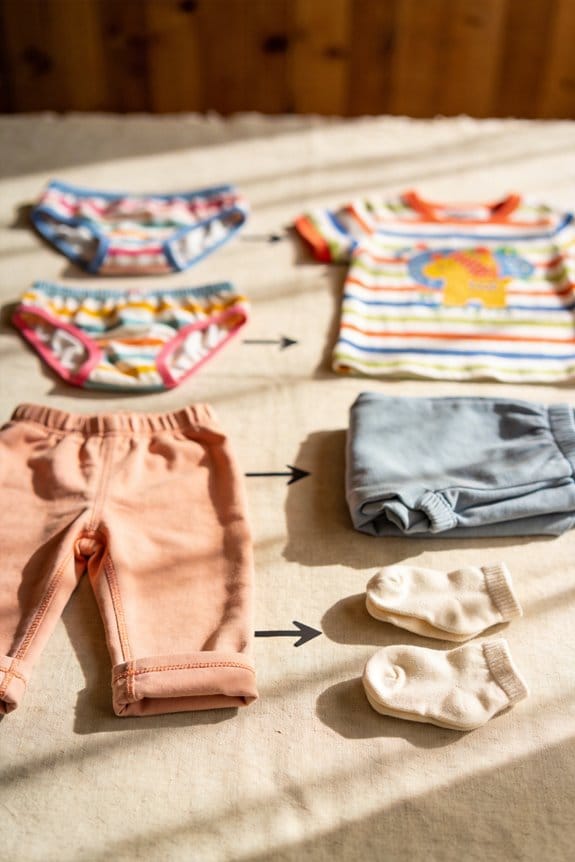
Getting dressed might feel like an everyday task, but breaking it down into steps can really help your little ones. Ever tried watching them struggle with getting into their clothes? It can be a bit of a process, but you can make it smoother for both of you.
Start by teaching them the order of putting on clothes. A simple approach is to go from the inside out. For instance, they should begin with underwear, then move on to a t-shirt, followed by shorts, socks, and finally shoes. Sound simple? It is! You could even use catchy phrases to make it fun and easy to remember.
Encourage your child to give it a go themselves before jumping in to help. Letting them try dressing independently can teach some valuable problem-solving skills. It’s all about fostering that sense of achievement, so don’t be too quick to step in. If they struggle, you can always guide them, but let them feel the joy of dressing themselves.
Need a little extra support? Try visual guides or even physical prompts. These can make a huge difference in helping them remember the steps. Plus, every time they dress themselves successfully, it boosts their confidence and builds their independence.
So, why does this matter? It’s not just about getting them ready for the day; it’s about teaching skills that empower them for life. Each successful attempt, no matter how small, helps them grow.
In the end, making the dressing process fun and engaging can turn a daily struggle into an enjoyable learning experience. When was the last time you celebrated a small win in getting dressed? Remember, every little victory counts!
Choosing clothes with adjustable waists can also help make dressing easier and more comfortable as your child learns to manage their own outfits.
Teaching Dressing Skills in Reverse Order
Have you ever watched your little one struggle with getting dressed? It can be tough to see them frustrated, especially when it feels like a simple task for us. But there’s a neat trick that can make this whole process a lot smoother: teach dressing skills in reverse order.
Starting with the last step of getting dressed can boost their confidence right from the get-go. When they learn to pull up their pants or slip on a shirt first, they feel that immediate sense of achievement. And trust me—once they master that part, they’ll be more eager to take on the earlier steps. Breaking down the tasks into smaller, more manageable pieces not only makes sense, but it also helps solidify their learning.
So, why does this matter? Well, each time they complete a step, they’re building their confidence. It’s the little victories that can lead to big changes. Make sure to offer reminders and be there for assistance when they need it. This support not only fosters their sense of independence but also allows them to express their unique style.
Honestly, this approach can spark problem-solving skills too. It’s fascinating to see how they start figuring things out and mastering new tasks over time.
To sum it up, dressing backwards can be a fun way to help your child learn. Choosing clothing made from breathable materials can make the dressing process more comfortable for your child. What’s a dressing challenge you’ve noticed with your little one?
Clothing Choices That Foster Independence
Getting kids dressed can sometimes feel like a mini wrestling match, right? Once they’ve built up their confidence with dressing skills, offering clothing choices that encourage independence is crucial. It’s all about making their lives—and yours—a bit easier.
Try this: go for garments with elastic waistbands and large neck openings. These small features can make a huge difference, allowing kids to put on and take off their clothes with minimal fuss. And when it comes to shoes, opt for those velcro straps. They’re a blessing when kids are in a rush or just trying to be more independent.
When you’re shopping, think about loose-fitting and lightweight fabrics. This way, they’ll feel comfortable while getting themselves ready. It’s amazing how something as simple as a cozy outfit can encourage your child to want to dress themselves. Plus, limit their outfit choices to just two or three options. This not only empowers them to make decisions but also cuts down on the “too many choices” overwhelm.
Also, keep an eye out for items with simple fasteners—think snap buttons or easy zippers. Those can turn dressing from a struggle into a breeze. Why does this matter? Because helping kids develop their dressing skills without frustration sets them up for independence.
Choosing clothes made from soft, breathable materials also helps keep kids comfortable and eager to dress themselves.
It’s all about those thoughtful clothing choices that really help kids learn to dress independently. So, what’s your go-to tip for making getting dressed easier?
Using Positive Reinforcement With Dressing
Are you struggling to get your kids to dress themselves? You’re not alone! Many parents find it tough to motivate their little ones during this daily routine. Using positive reinforcement might just be the key to making the dressing experience a bit easier—and a lot more fun.
Start by creating a reward system. Simple verbal praise can work wonders! Plus, sticker charts add a visual element that kids get excited about. When they achieve small milestones, like successfully putting on their shoes, make sure you celebrate those wins. It’s all about building their self-esteem and encouraging them to keep trying.
Try incorporating “first-then” language into your routine. For instance, you might say, “First get dressed, then we can play outside.” This helps your child link the act of dressing with something enjoyable, creating a positive association with the task.
It’s also important to recognize their efforts along the way, even if they don’t nail it every time. Why is this so important? Because you’re fostering a growth mindset, which empowers them to feel proud and willing to tackle dressing challenges in the future.
Also, choosing pajamas with easy closures like zippers or snaps can help children practice dressing skills more independently and confidently.
How to Foster Problem-Solving Skills While Dressing
Have you ever watched your little one struggle with getting dressed? It can be a real challenge for kids, and sometimes it feels easier to just step in and help. But here’s the thing: fostering their problem-solving skills during this everyday task can set them up for success in so many areas of life.
Start off by making it a little fun. Encourage your child to identify each clothing item and talk about what it’s for. You might say, “What do you think this shirt is supposed to do?” This simple conversation step can spark their curiosity.
Here’s the trick: try some creative dressing methods. Want to stir up their imagination? Have them try putting a shirt over their eyes and see how they figure out how to put it on! Asking open-ended questions like, “How can you get your shirt on yourself?” encourages critical thinking. It gives them a chance to really think about getting dressed instead of just following directions.
Don’t be afraid to let them experiment. If they want to wear their pants backward or mix up patterns, let it happen! This kind of experimentation builds their confidence and encourages them to find their own solutions.
When your child finally figures out how to dress independently, make sure to celebrate that moment! Honestly, a little cheer or high-five goes a long way in reinforcing those problem-solving efforts. It’s these small victories that nurture their skills and teach resilience over time.
So, why does this matter? Kids who tackle problems head-on while dressing are likely to carry that determination into other areas of their lives. Just think of all the future challenges they’ll take on with this mindset! By guiding them through the dressing process, you’re helping them build a solid foundation for lifelong independence. Selecting clothing made from soft fleece material can make the process more comfortable and enjoyable for toddlers as they learn to dress themselves.
Techniques to Simplify the Dressing Process
Getting kids dressed can sometimes feel like a mini battle, can’t it? Breaking the process down into bite-sized steps can really make a difference. Start by teaching your little one to put on a shirt first, then move to pants, socks, and finally shoes. Trust me, using pants with elastic waistbands can really smooth things out.
It can also help to give your child a little more time in the morning. Starting the routine 15 to 30 minutes earlier can take the pressure off and help them learn to dress independently. So, why does this matter? Less stress means more success, and everyone can ease into the day on a better note.
Using simple visual aids can reinforce the order of dressing, making it clearer for them. Plus, letting them practice with similar clothing items helps enhance their fine motor skills. This builds up their confidence as they start to master dressing themselves.
It’s also important to select soft, breathable fabrics to ensure comfort while your child is learning to dress.
The best part is, with a little bit of patience and practice, they’ll get the hang of it in no time. What tips have you found helpful in your own dressing struggles?
Common Dressing Mistakes to Avoid and Their Solutions
Teaching kids to dress themselves can feel like an uphill battle at times. How many mornings have you spent watching them tugging at their clothes, trying to figure out which one goes where? To help smooth out this process, try limiting their options to just 2-3 clothing items. This simple switch can make dressing less overwhelming and help them avoid that deer-in-headlights look.
When they’re just getting started, think about clothing that’s easy to manage. Look for items with large openings and elastic waistbands. Steering clear of complicated closures like buttons and zippers makes a world of difference. Honestly, those small changes can empower little ones to put on their clothes without too much fuss.
And don’t forget about the time factor. Mornings can get hectic, so give your child about 15 to 30 extra minutes for this practice. They’ll appreciate having that breathing room instead of feeling rushed, and it allows them to learn at their own pace.
Celebrating each victory counts too! Whether they managed to get their shirt on the right way or successfully wrestled with their pants, acknowledging their progress—no matter how small—can really boost their confidence.
Choosing clothes made from stretchable fabrics with elastic waistbands can also make it easier for your child to dress independently.
Frequently Asked Questions
Should a 5 Year Old Be Able to Dress Themself?
Yes, a 5-year-old should be able to dress themselves. By supporting their preschool dressing challenges with positive reinforcement, peer encouragement, and established dressing routines, we can help enhance their fine motor skills and frustration management while exploring clothing choices.
What Age Should a Child Be Able to Dress Themselves Independently?
By age 5, most children should be able to dress themselves independently, showcasing essential child development milestones and fine motor skills, enhancing their independence skills and self-care routines, contributing to kindergarten readiness with parental involvement.
How to Help a Child Learn to Dress Themselves?
To help our child learn to dress themselves, we can foster independence skills through daily routines, offer clothing choices, practice positive reinforcement, support fine motor skills, and apply patient dressing methods for success.
How to Teach Kids to Take Their Shirt Off?
To teach kids shirt removal techniques, we can use playful strategies like dressing games, patience practices, and encouragement methods. Celebrating progress and tracking milestones fosters their independence while making the learning experience enjoyable and engaging.