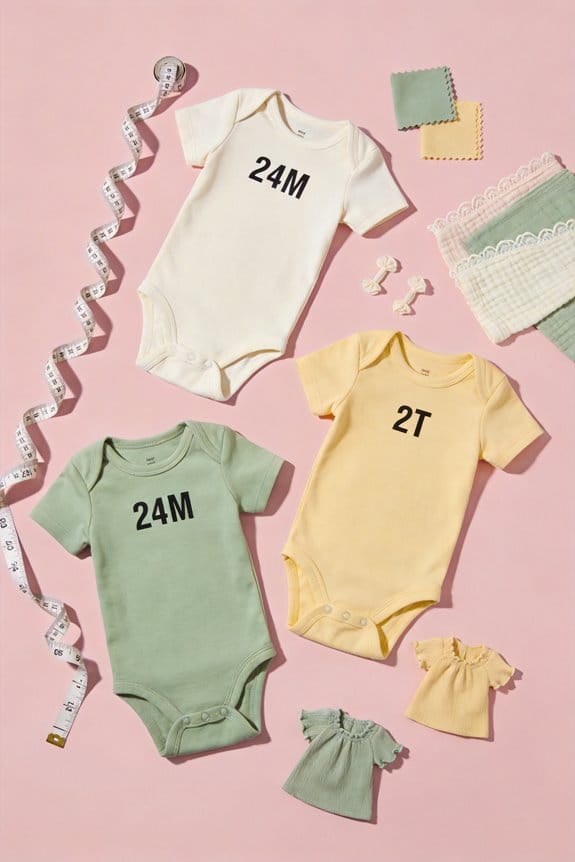
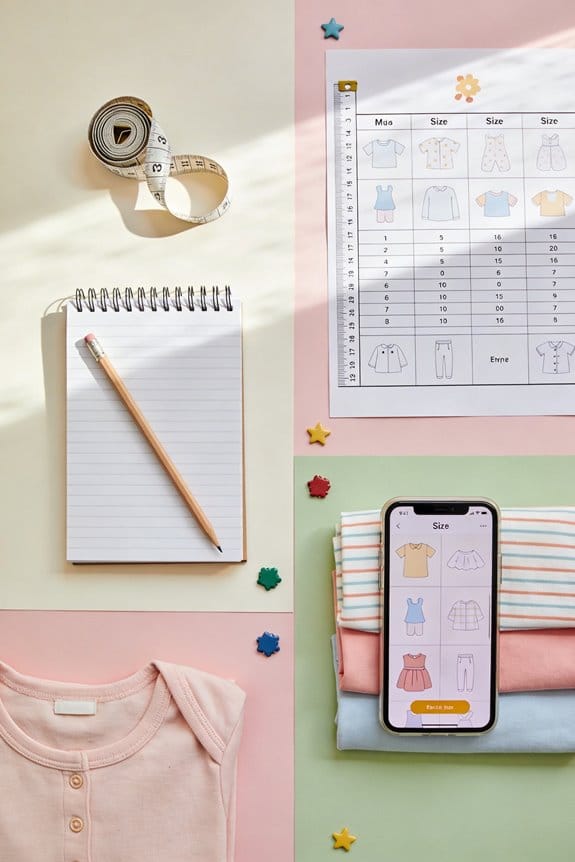

To accurately measure your child for online shopping, we should use a soft measuring tape. We need to measure the chest around the fullest part, the waist at the natural waistline, and the hips around the widest part. Don’t forget to take the inseam from the crotch to the ankle. Regularly checking these measurements every few months helps us avoid sizing surprises. Additionally, learning about brand-specific sizing can guide us toward a better fit, making future purchases easier.
Key Takeaways
- Regularly measure your child every few months to keep track of their growth and ensure the right fit for clothing.
- Use a soft measuring tape to take measurements of the chest, waist, hips, height, and inseam for accuracy.
- Familiarize yourself with brand-specific sizing charts, as sizes can vary significantly between different brands.
- Consult customer reviews to gauge if items run small or large, helping make informed decisions on fit.
- Keep a measuring tape handy for quick checks and consider adjustable features in clothing to extend wear.
The Importance of Accurate Measurements in Kids’ Clothing
When you’re shopping for kids’ clothes online, it can be frustrating when things don’t fit quite right. Accurate measurements are really key to making sure you find that perfect fit. Think about it: when you take precise measurements like chest, waist, and height, you help ensure your little ones can move comfortably while they’re busy playing.
It’s a good idea to measure your child every few months, especially since they grow so quickly in those early years. Try this: grab a measuring tape and check their waist and other dimensions regularly. This little step helps you avoid sizing surprises and makes it easier to compare their measurements with size charts.
Frankly, it can be a hassle when different brands have different sizing standards. By sticking to accurate measurements, you reduce that confusion and make shopping online smoother for you and your family.
So, why does this matter? Because it not only saves time but also ensures your kids are comfortable in their clothes. With these tips, you’re not just making shopping easier; you’re also making sure your children can enjoy their activities without uncomfortable clothing getting in the way.
In short, pay attention to those accurate measurements, and you’ll see a difference in how you shop for your kids. What methods do you use to keep track of your child’s growth? Also, be aware that packs often include a variety of sizes to accommodate different growth stages, which can help in selecting the right fit.
Where to Measure for the Best Fit
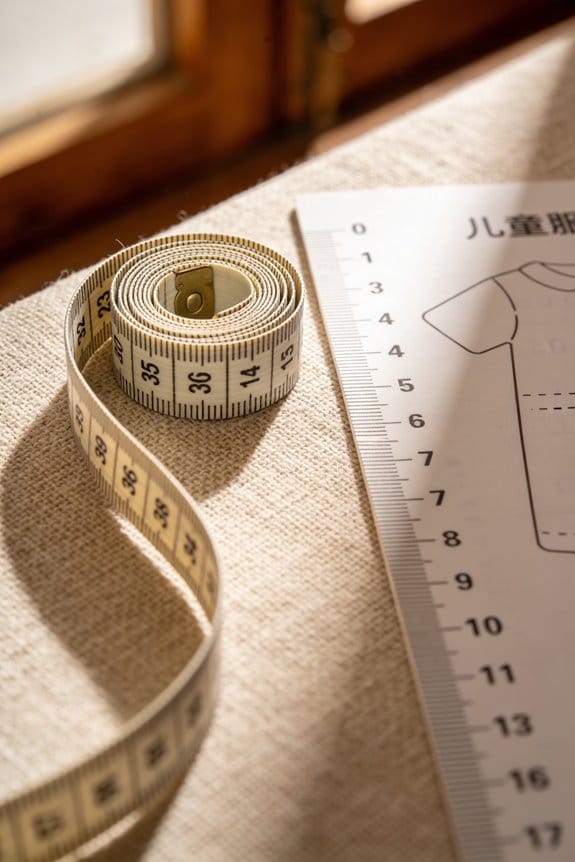
Accurate measurements can really make a difference when you’re shopping for your kids’ clothes, and knowing where to measure is key. Have you ever bought something for your child only to find it doesn’t fit quite right? It’s frustrating, but it doesn’t have to be that way.
To make sure you’re nailing those measurements, focus on three main areas: the chest, waist, and hips. For the chest, wrap the tape around the fullest part, just under the arms, and keep it level. It should feel snug but not tight. When measuring the waist, aim for the natural waistline. You want to be able to fit a couple of fingers underneath the tape—this allows for some comfort.
Now, for the hips, wrap the tape around the widest part. Make sure it’s snug but not cutting into the skin. And don’t forget the inseam! Measure from the inside of the crotch all the way down to the bottom of the ankle with your child standing with their legs slightly apart.
So, why does this matter? Getting these details right can save you a ton of time and hassle when finding the perfect fit for your kids’ size clothing. Plus, it ensures they’ll be comfortable while they play and grow.
In the end, taking these measurements is a simple step that makes a big difference in the fit of your child’s clothes. Next time you’re out shopping, keep these tips in mind—your kids (and your sanity!) will thank you. What’s your biggest fit struggle when buying clothes for your little ones?
Also, keep in mind that checking the manufacturer size charts based on weight and height can be crucial for selecting the right size.
Tips for Taking Accurate Measurements at Home
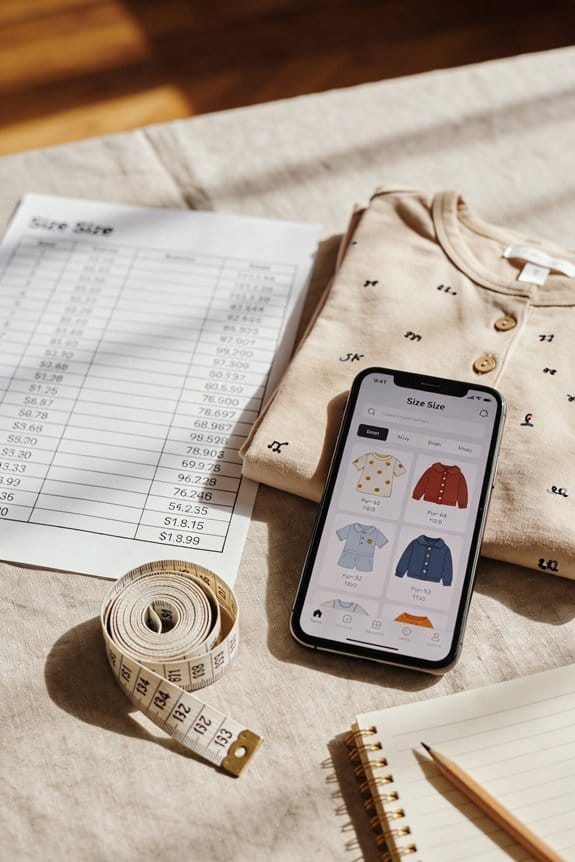
Taking measurements for your child’s clothes can feel a bit daunting, but it really doesn’t have to be. You want to make sure that online shopping doesn’t lead to a parade of returns because the clothes just don’t fit right. Getting accurate measurements is key, and it can save you time and hassle down the road.
Start off with a soft measuring tape—this is the easiest tool to work with. When you’re measuring your child’s height, have them stand barefoot against a wall. Make sure their head is straight, and their feet are together; this little detail helps you get the most accurate height.
Next, for the chest measurement, wrap the tape around the fullest part of their chest, going just under the arms and across the shoulder blades. The waist is another important measurement that should be taken at the natural waistline, which is typically just above the navel. This might seem straightforward, but trust me, getting these right matters.
So, why does this matter? It’s all about checking the size guide! You’ll want to reference the kids’ size chart to ensure you’re choosing the right fit for your little one.
Make it a habit to update these measurements every few months because kids grow at lightning speed. It’s easy to lose track of sizes, and understanding children’s sizes is crucial as you shop.
Honestly, these small steps can save you from the frustration of returning clothes that just don’t work. So, next time you’re gearing up to order something online for your child, take a moment to measure. It could make all the difference! Have you measured your child lately? Proper sizing is especially important when choosing specialized items like waterproof toddler pants to guarantee comfort and functionality.
How Brand Sizing Differences Affect Your Child’s Fit
When you’re diving into online shopping for your child’s clothes, you might’ve noticed something a little frustrating: sizing can vary widely between brands. Ever bought a “5T” and found it fits like a “3T” from somewhere else? You’re not alone. Research indicates that 70% of returns happen because of sizing issues. So, how do you avoid this hassle?
Before hitting that purchase button, check the sizing guide for each brand. It only takes a minute and can save you from dealing with returns later. The same goes for comparing clothing size charts across different brands.
Also, don’t underestimate customer reviews! They can be real gems, often revealing whether items tend to run big or small. So, are you measuring your child correctly? Taking accurate measurements can really help you decode the sizing puzzle and find better-fitting clothes.
The best part is, by being mindful of these brand differences and doing a little extra prep work, you’ll navigate kids’ clothing sizing with way less stress. Less clutter in your closet and fewer returns are always a win, right? How do you tackle sizes when shopping for your little ones?
Remember, it’s helpful to consider seasonal sizing as babies may need looser fits during warmer months to stay comfortable.
Making Smart Purchases With Your Measurements
Have you ever been frustrated trying to buy the right clothes for your kids online? It can feel like a guessing game, especially with sizes that seem to vary from one brand to the next. One way to make this easier is by measuring your child properly before diving into those online shopping carts.
To get started, grab a measuring tape and take note of their height, chest, waist, and hip measurements. Measuring accurately is key—just wrap the tape around each area snugly but not too tight. Once you have those numbers, don’t forget to check the size chart for the brand you’re considering. It might surprise you how different size labels can be!
If your child is in between sizes, it’s usually smarter to go with the larger one. Kids grow so fast that a little extra room can keep them comfy longer. Plus, regularly updating those measurements will help you keep your purchases on point.
And here’s a tip: don’t overlook customer reviews! They can give you real insight into how well the clothes fit, which can be super helpful when you’re making your decisions. So, why does this matter? Fewer returns mean less hassle for you and more satisfaction for your child.
In the end, being mindful about sizing and fit not only saves you time but also makes shopping a lot more enjoyable for both you and your little one. Have you noticed how much growth can happen in just a few months? Keep those measurements handy, and happy shopping! Remember, understanding the importance of compression leggings can help you choose the right athletic wear that offers both comfort and performance.
Frequently Asked Questions
How to Take Body Measurements for Online Shopping?
Taking body measurements for online shopping’s essential for proper clothing fit. We should use flexible measuring tools, avoid common mistakes, refer to sizing charts regularly, and consider seasonal changes for accurate body shape assessments and tailoring suggestions.
How to Measure a Child for Clothing?
To measure our child for clothing, let’s use accurate measurements with child sizing tips. We’ll apply measuring techniques, consider fabric preferences, and reference size charts for brand differences, ensuring perfect clothing fits during online shopping.
How Do I Know My Size for Online Shopping?
Maneuvering online shopping’s sizing maze, we should consult size charts and fitting tips. Watching for size discrepancies helps, and updating age adjustments guarantees we account for children’s growth. Fabric stretch and measurement tools guide our choices.
Do Kids’ Sizes Change With Age?
Yes, kids’ sizes change with age. Growth spurts and seasonal changes impact clothing fits. We should consider size charts, different body types, brand differences, and fabric variations for effective shopping strategies and easy online returns.