
We need to keep an eye on our baby’s growth patterns to know when to buy the next size up. Signs like tight-fitting clothes, limited movement, and crankiness are key indicators that it’s time for a new size. Regularly measuring our baby’s height and weight can help keep track. Remember, growth spurts typically occur every few weeks, so plan purchases accordingly. This proactive approach will guarantee our baby stays comfortable and mobile, and there’s more to explore on this topic.
Key Takeaways
- Monitor your baby’s growth every few weeks to anticipate growth spurts and buying needs.
- Look for signs like tight-fitting clothes, limited movement, and increased fussiness to indicate a size up is necessary.
- Use actual measurements (height, weight, chest, waist) instead of age labels for precise fitting.
- Plan seasonal purchases around expected growth to avoid running out of suitable clothing.
- Check clothing fit bi-weekly to ensure comfort and mobility as growth occurs.
Understanding Baby Growth Spurts: Signs to Watch For
Have you ever noticed your little one suddenly seems to outgrow their clothes overnight? Those tiny clothes that fit just right can suddenly look like they’re three sizes too small. It’s a common and totally normal part of baby growth that can hit at different times throughout the first year. Growth spurts usually pop up around two to three weeks, six weeks, and then again at three, six, nine, and twelve months.
So, what should you keep an eye out for during these times? Here are some signs that your baby might be experiencing a growth spurt:
- Tight-fitting clothes: You may notice that those cute onesies or pants are snugger than before.
- Limited movement: If your usually active baby seems more subdued, it could just be that they’re saving energy for their growth.
- Increased fussiness: A cranky baby can be a clue that they’re going through a shift.
- Changes in appetite: If they’re suddenly eating more or wanting to nurse more frequently, it’s likely they need those extra calories.
- Increased sleepiness: More naptime or longer stretches of sleep can also be indicators that your baby is growing.
Have you ever seen the sleeves or pants rides up, leaving marks on their skin? That’s your sign that it might be time to size up! It’s like their body is saying, “Hey, I need a little more room over here!” Keeping track of these growth patterns can really help you stay ahead of the wardrobe game, keeping your baby comfortable as they grow.
Truth is, when you know what to watch for, you can adjust to these changes without too much hassle. Growth spurts are a natural part of your baby’s development, and understanding them can make life a little easier. So next time you notice those snug clothes or a grumpier disposition, you’ll know what’s going on. How do you manage clothing changes when your baby goes through a growth spurt? It is also helpful to choose outfits with adjustable features like elastic waistbands and straps to accommodate rapid growth.
How to Measure Your Baby for Accurate Sizing
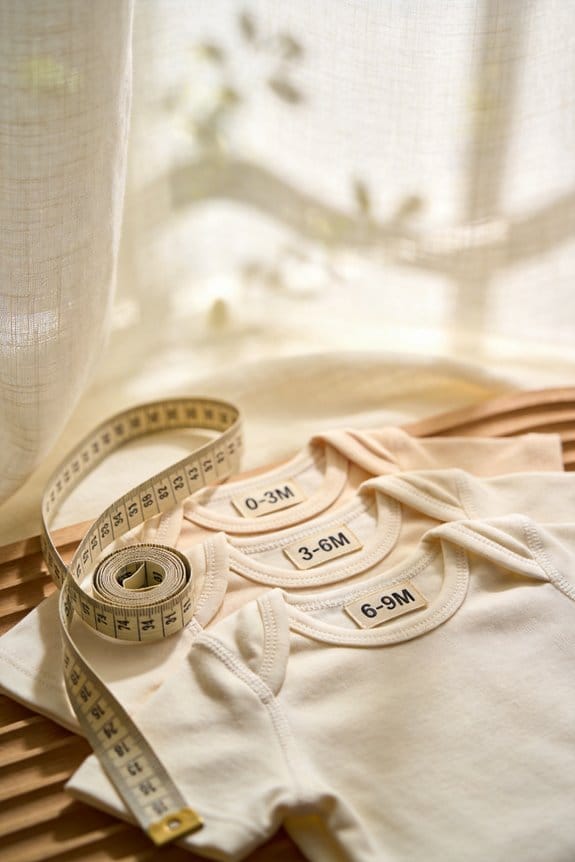
Noticing your baby has outgrown their clothes? That’s a common scenario for many parents, and managing their growth journey can feel a bit overwhelming. To make sure you get the right sizing, you’ll want to take a few essential measurements.
Start by measuring your baby’s height. Stand them against a flat wall or surface, and use a soft measuring tape to get a reading from the top of their head down to the floor. It’s a simple process, but it can save you a lot of guesswork when you’re shopping for new clothes.
Next up is weight. You can weigh your baby by placing them on a baby scale — and it works best if they’re not wearing any clothes. Make sure you’re using a flat surface for accuracy, as even a slight incline can throw off the reading.
Another important measurement is the chest circumference. Wrap the measuring tape around the widest part of their chest, ensuring it’s snug but not constricting. Don’t forget to check the waistline just above their belly button; this can make a difference depending on the style of clothes you’re looking for.
So, why does this matter? Well, regular measurements can help you keep up with your child’s individual growth during those rapid growth spurts. Instead of relying on sizing charts that might not tell the full story, you’ll have a clearer picture of what fits best.
To recap, measure height, weight, chest, and waist for accurate clothing sizes. It seems tedious, but isn’t it comforting to know exactly what your little one needs? Give it a try and see how much easier shopping can become! Also, an adjustable waistband can provide flexibility for your baby’s rapid changes, ensuring the dress stays comfortable longer.
When to Buy the Next Size Up: Timing Your Purchases
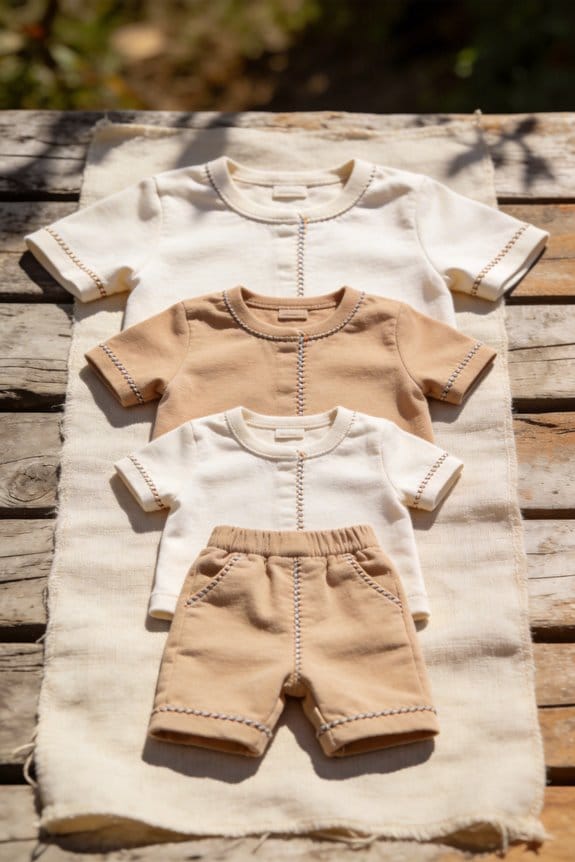
When should you think about buying the next size up for your growing baby? As parents, you’re likely keeping an eye on those growth spurts that seem to pop up every few weeks—around 2-3 weeks, 6 weeks, and several times during that first crazy year. It makes sense to snag clothing that’s one size larger to keep up with their rapid growth.
Regularly checking for signs of tightness or restricted movement can help you determine when your little one needs a change. Instead of only focusing on age labels, take a look at sizing charts to ensure a proper fit. Honestly, knowing the right size can save you hassle and money.
Also, have you thought about planning your seasonal buys? Buying larger sizes in late spring for summer outfits can be a smart move. This way, your baby will stay comfy and mobile as they grow, making those summer outings much more enjoyable.
The best part? You can keep track of how fast they’re growing by checking in on their clothes every few weeks. So, what’s your go-to strategy for managing your baby’s wardrobe as they grow?
Remember to prioritize jackets made from soft fleece material to ensure your baby stays warm and comfortable throughout their growth phases.
How to Tell When It’s Time to Size Up Your Baby’s Clothes?
Watching your baby grow is one of the most incredible parts of parenting, but it can feel overwhelming when it comes to keeping track of their clothing size. Ever noticed your little one struggling to crawl or reach for toys? This could mean their clothes are too tight.
Keep an eye out for signs that it might be time to size up:
- Do you see marks left by tight snaps or elastic?
- Are those sleeves riding up more often than not?
- Is your baby getting cranky during playtime? It could be a sign they’re uncomfortable in their clothes.
These clues can help you determine if a wardrobe update is in order. Regularly measuring your baby’s height and weight and comparing them to the size charts can guide you on when to make the switch.
So, why does this matter? Understanding growth spurts and fluctuations means you can ensure your little one stays comfy and happy as they explore the world. It’s all about keeping them mobile and free to play.
In addition, checking the size and fit of garments ensures freedom of movement and safety, especially in items like quilted jackets.
In the end, if it feels like their clothing is just a little too snug, it’s likely time to go up a size. After all, a happy baby makes for a happy parent, right?
Why Baby Clothes Fit Matters: The Impact on Mobility
Have you ever noticed how quickly your little one can outgrow their clothes? Choosing the right size for baby clothes is crucial since well-fitting garments really help your child move around freely. When clothes don’t fit right, they can restrict movement, which could hinder your child’s growth and physical development. If you see signs like marked skin from snaps or tightly stretched clothing, it’s definitely time to go up a size.
To support your child’s mobility as they start to crawl, reach, and explore, opt for clothes that are designed for active play. Look for stretchable fabrics that offer comfort and flexibility. When babies hit those growth spurts, tracking their weight and height is more important than paying attention to age labels. Prioritizing fit based on actual measurements can help avoid those frustrating moments when clothes are too tight, allowing your baby to enjoy playtime while building essential motor skills.
Honestly, it’s amazing how much the right fit can impact a baby’s ability to grow and learn. So, why does this matter? Because a happy, comfortable baby can explore their environment without limitations. Take a moment to assess your little one’s wardrobe—ensuring their clothes are the right size will keep them comfy and ready to tackle new adventures.
In addition, choosing clothes made with breathable designs can help prevent overheating during active play, ensuring your baby stays comfortable.
In the end, keeping an eye on your child’s fit can make a world of difference. Are you ready to make playtime more fun and free for your little explorer?
Debunking Myths About Baby Growth and Clothing Sizes
Navigating baby growth and clothing sizes can feel overwhelming, can’t it? Many parents lean heavily on age labels when picking out baby clothes, but here’s something to consider: every little one grows at their own pace. Growth spurts can happen out of nowhere, so checking the fit of clothes more often is a must.
Think about this—choosing bigger sizes isn’t a safety concern. The real issue lies in clothes that are too tight, which can limit movement and lead to discomfort. Loose garments can actually promote healthy growth and allow your child to explore without restrictions.
Regularly tracking your baby’s height and weight against size charts from specific brands helps a lot. It offers a better idea of what size will fit just right. Try this: when shopping, focus on how the clothes fit rather than worrying too much about the number on the label.
Since sizing can vary, it’s important to consider size ranges and check the brand’s sizing chart before purchase to ensure proper fit and comfort.
So, why does this matter? Making sure your baby is comfortable in their clothes not only supports their physical development but also makes their everyday experiences more enjoyable. The best part is that you can adjust their wardrobe as their needs change.
Shopping Smart During Baby Growth Spurts
Navigating shopping for your little one during growth spurts can feel overwhelming. Ever noticed how your baby seems to grow out of clothes overnight? By keeping track of their height and weight, you can spot those changes and be proactive about sizing up. Growth spurts typically hit around 2-3 weeks, 6 weeks, and some other key milestones. So, planning ahead isn’t just helpful; it’s necessary.
Try this: consider buying clothes one size up before you’ll actually need them. This can save you from those last-minute runs to the store and ensures your baby stays comfy as they stretch and squirm. Just remember that size labels can differ quite a bit between brands, so checking out specific size charts can help you avoid unwanted surprises.
Comfort is key during these growth phases. Clothes that allow free movement can make a world of difference for your growing child. You want outfits that fit well but also give them room to wiggle, right?
Truth is, being prepared for those sudden growth spurts can reduce stress on your part. You’ll not only have a plan, but your little one will be well-dressed and comfortable, which is what every parent wants. So, as you shop, keep these tips in mind and make your life just a bit easier. What’s your go-to strategy for managing baby clothes during these rapid growth periods? Remember, choosing apparel with stretchable materials can adapt comfortably as your baby grows, prolonging usability and comfort.
Frequently Asked Questions
What Is the 5 8 5 Rule for Babies?
The five-eight rule helps us manage baby clothing sizes by advising size adjustments at five, eight, and twelve months. It aligns with growth charts and developmental milestones, ensuring our infants’ clothing accommodates their rapid growth.
How to Predict a Growth Spurt?
We can predict a growth spurt by observing our child’s growth patterns, feeding habits, and sleep changes. Seasonal trends affect growth too, as do genetic factors and their activity levels, so staying attentive helps us prepare.
Is It Better to Get 0-3 Months or 3-6 Months?
We should opt for 3-6 months baby clothing, as it anticipates growth patterns and seasonal changes. A size guide highlights essential shifts for newborn stages, ensuring comfort and addressing our baby’s needs effectively.
At What Age Do Boys Get Their Biggest Growth Spurt?
Boys typically hit their biggest growth spurt between ages 11 to 13. Puberty timing, genetics influence, and nutritional impact all play roles, while sleep and exercise are essential in supporting these height milestones during developmental stages.