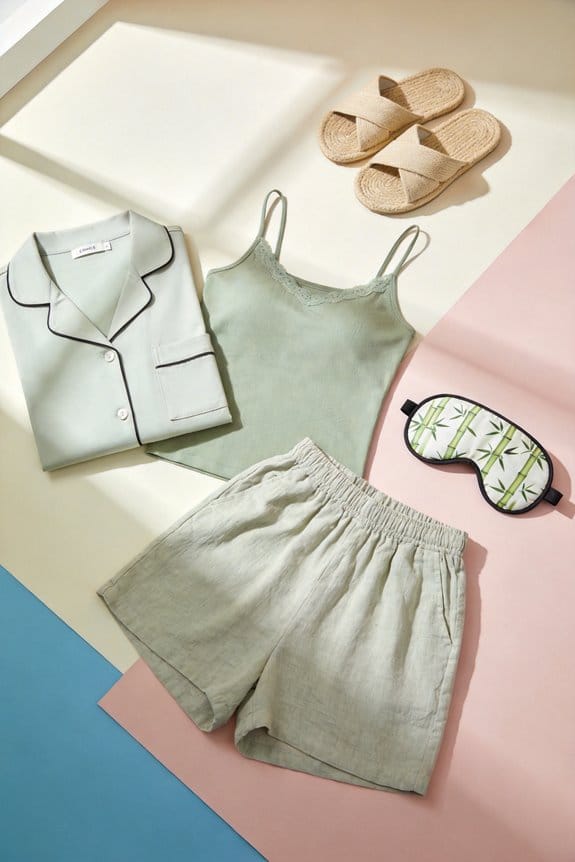

When dressing our baby for sleep in homes without air conditioning, it’s important to focus on temperature and fabric choice. We should aim for a room temperature between 68-72°F, using lightweight, breathable materials like cotton or bamboo for pajamas. Consider short-sleeved onesies or muslin swaddles to promote airflow. Keeping curtains closed during the day also helps reduce room temperature. Paying attention to signs of overheating, like flushed cheeks or rapid breathing, keeps our little one safe and comfortable. Let’s explore more tips to guarantee sweet dreams.
Key Takeaways
- Dress your baby in lightweight, breathable fabrics like cotton or bamboo to enhance comfort during warm nights without AC.
- Opt for short-sleeved onesies and lightweight pajamas to facilitate airflow and moisture absorption.
- Keep the room cool by closing curtains to block out sunlight and using fans to improve air circulation.
- Regularly check your baby’s neck and back for temperature signs, adjusting their sleepwear as necessary to prevent overheating.
- Prioritize safety by avoiding heavy blankets and opting for lightweight sleep options to ensure a comfortable sleeping environment.
Why Temperature Matters for Your Baby’s Sleep
Have you ever noticed how your baby sleeps better some nights than others? It might just come down to the temperature in the room. Keeping the temperature just right is super important for your baby’s sleep quality. Aim for a cozy 68-72°F—this range really helps little ones rest comfortably.
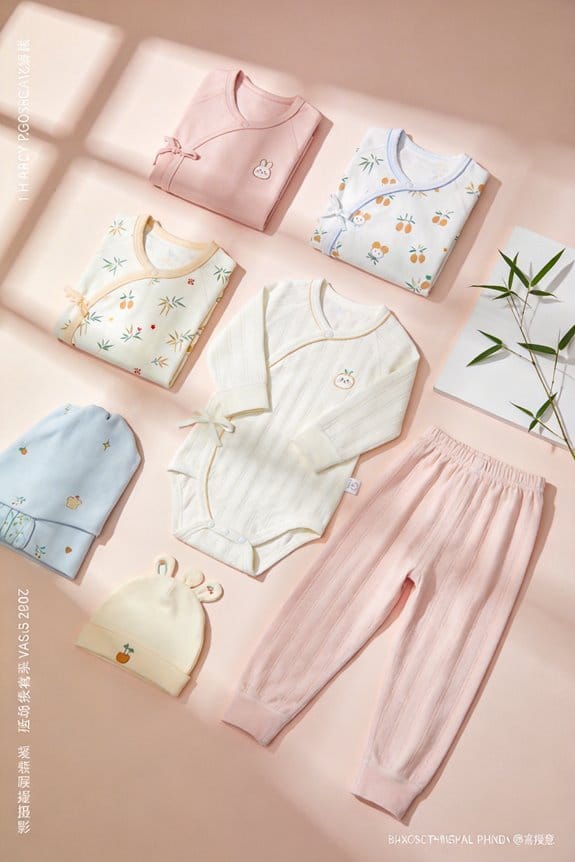
Babies have a tough time regulating their body temperature, so it’s crucial to pay close attention to their needs. Choose breathable fabrics like cotton to help keep them from overheating, especially during those hotter months. Lightweight sleep attire can be a lifesaver—think short-sleeved onesies or even just a diaper on warm nights.
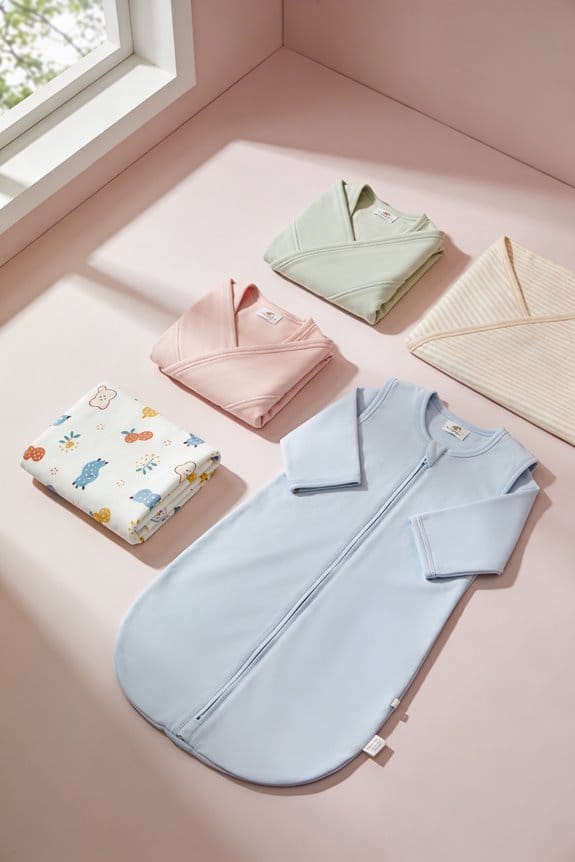
Here’s the trick: regularly check your baby’s neck or stomach to see how they’re feeling. It only takes a moment, and it can help you keep them comfy and snug all night long. By creating a safe sleep environment, you support your little one in getting the quality rest they truly need. For cooler nights, consider using a sleep sack with the appropriate Tog rating to ensure your baby stays warm without overheating.
Monitoring Your Baby’s Comfort: Signs of Overheating?
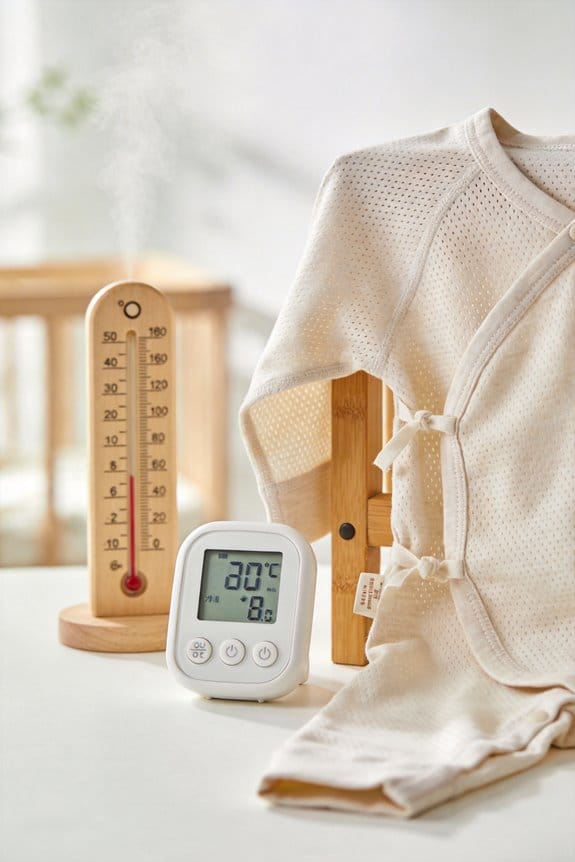
Ever notice how your little one just doesn’t seem right when they’re sleeping? It could be that they’re too hot. Understanding how to monitor your baby’s comfort can really make a difference in their sleep quality.
So, what should you look for? Keep an eye out for flushed cheeks, rapid breathing, and sweating on their neck or back. These are all signs of overheating. It’s important to check these areas regularly because their hands and feet might not give you the full picture. If you spot any signs of discomfort—even if they seem mild—try removing a layer of clothing or moving your baby to a cooler spot. This can really help regulate their temperature.
You know your baby best, so staying aware of sleep patterns can be crucial. If you notice that naps are getting shorter or wake-ups are increasing, it might be a clue that they’re feeling too hot. And when it comes to those sweltering nights, using cool, breathable fabrics can do wonders in avoiding overheating.
Choosing a sleep sack with a low TOG rating suitable for warm weather helps maintain a comfortable body temperature during sleep.
Keeping an eye on your baby’s comfort not only ensures better sleep for them but also peace of mind for you. So, next time you check on your little one, don’t forget to keep those overheating signs in mind. How do you keep your baby comfortable at night?
Essential Fabrics for Summer Baby Sleep Attire
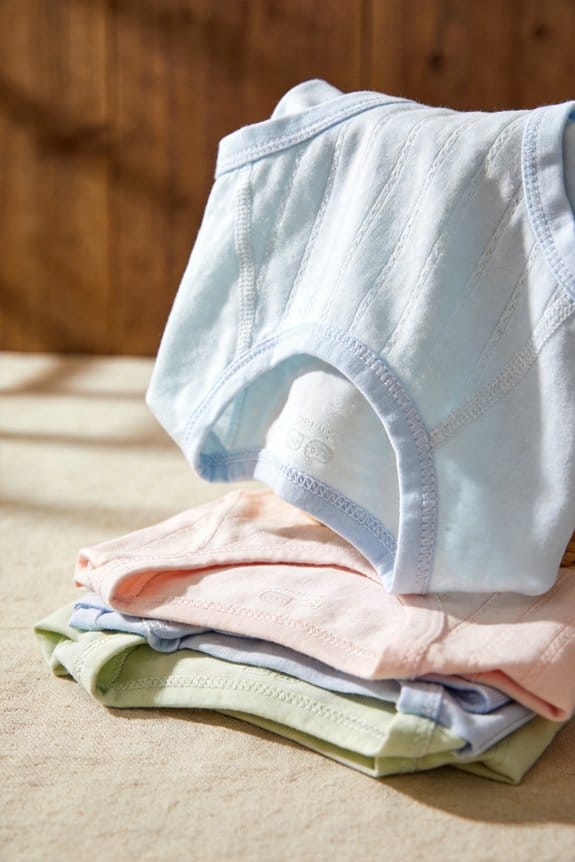
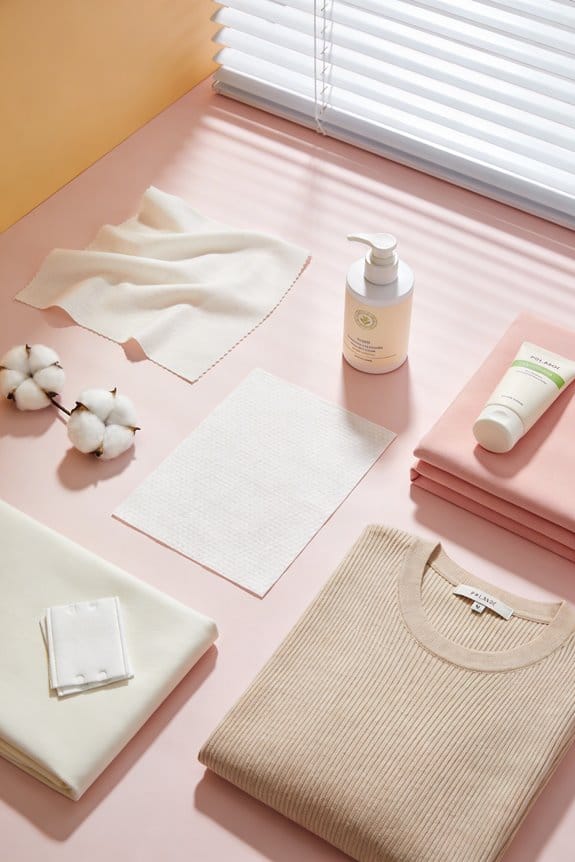
Choosing the right fabrics for your baby’s sleep attire in the summer can be a bit tricky. You want them to be comfy, right? That’s why lightweight, breathable materials like cotton and bamboo are excellent choices. Cotton really shines with its ability to absorb moisture and let air circulate, which helps prevent your little one from overheating.
When dressing your baby for those hot summer nights, short-sleeved onesies or lightweight pajamas can be perfect. Muslin swaddles are another great option since their loose weave enhances breathability while still keeping just the right amount of warmth. Have you ever noticed how synthetic fabrics, like polyester, can feel so stifling? It’s best to steer clear of those materials, as they tend to trap heat and might make your baby restless during the night.
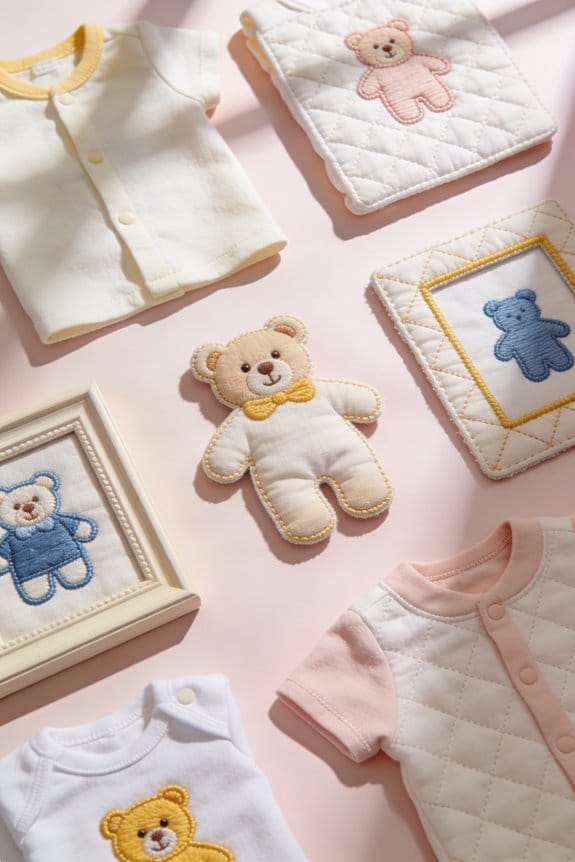
Choosing bodysuits made from 100% organic cotton ensures maximum softness and breathability, which is ideal for sensitive skin in warm conditions.
The best part is that with the right fabric, you can feel confident knowing your baby will sleep comfortably even on the hottest nights. So next time you’re picking out sleepwear, remember to look for those breathable fabrics. What are your go-to materials for keeping your little one comfy during summer?
How to Dress Your Baby for Sleep on Hot Summer Nights
When those hot summer nights roll in, figuring out how to dress your baby for sleep can feel like a puzzle. You want them comfy, safe, and cool. So, what’s the best approach?
Dress your little one in a lightweight cotton short-sleeve onesie or even just a diaper. It sounds simple, but avoiding thick pajamas is crucial, especially in warmer rooms. If you find the room a bit cooler, a 5 tog sleep sack might work, but keep an eye on how warm your baby feels in it. The goal here is to maintain a cozy bedroom temperature between 68°F to 72°F.
And let’s not forget about air circulation! Using a fan can help, but it’s important to ensure the airflow doesn’t hit your baby directly. How often does your baby wake up feeling sweaty, just because of the temperature? That’s why monitoring their temperature is essential. Check their neck or back; if they feel warm, it’s time to adjust their clothing.
When it comes to bedding, less is more. Use minimal bedding made of breathable materials to help promote airflow. The best part is that it not only keeps your baby comfortable but also gives you some peace of mind.
Choosing breathable fabrics like 100% cotton ensures your baby stays comfortable and dry throughout the night.
Effective Strategies to Cool Your Baby’s Room Without AC
What do you do when summer nights turn your baby’s room into a sauna? You can create a cozy sleep space without cranking up the air conditioning.
One simple step is to keep the curtains closed during the day. It helps block out that blazing sun and keeps the room cooler for your little one. You can also try using fans to circulate air. Just remember to position them so they’re not blowing directly on your baby—that can make them uncomfortable.
Dressing your baby in lightweight, breathable fabrics is another great way to help keep them cool. It makes a noticeable difference! And don’t forget to check the room and your baby’s body temperature, especially around their neck or back. Trust me, it’s worth keeping an eye on how warm they get.
Another fun trick? Place a bowl of ice in front of a fan. The cool air that blows out can really amp up the cooling effect, making those sticky nights a bit more bearable.
For cooler nights when some insulation is needed, consider baby buntings with breathable materials to ensure comfort without overheating.
Honestly, these methods are simple but effective. So, when you’re faced with a hot summer evening, give a few of these strategies a try. What’s your go-to tip for keeping your baby comfy in the heat?
Safe Sleep Practices in Warm Environments
Establishing safe sleep practices in warm environments isn’t just about comfort; it’s about keeping your baby safe, too. With the blazing heat, you might wonder how to ensure your little one sleeps soundly without overheating. A comfy room temperature between 68-72°F is ideal, and don’t forget about good airflow—using a fan can really help with that.
When it comes to covering your baby, opt for lightweight sleep sacks made of breathable materials like cotton. Heavy blankets can trap heat and are best avoided. Here’s a tip: keep an eye on how your baby feels by checking their neck or belly often. If they’re feeling too warm, don’t hesitate to adjust their layers.
If your baby seems a bit hot, here’s the trick: a damp washcloth on their forehead can work wonders, or even giving them a cool bath can help bring their temperature down. Using swaddles made from 100% cotton or bamboo viscose can also promote better airflow and temperature regulation.
So, why does this matter? Well, by taking these simple steps, you can ensure a safer sleep environment for your baby during those hot nights.
It’s all about your baby’s well-being while getting those precious moments of sleep. Have you been keeping an eye on the temperature and comfort lately?
Frequently Asked Questions
How to Sleep in a House Without AC?
Did you know 30% of Americans struggle to sleep without AC? For better sleep, we can use breathable fabrics, cooling sheets, and proper fan positioning, while maintaining hydration and following a bedtime routine for improved sleep quality.
How to Keep Baby Cool at Night Without AC?
To keep our baby cool at night, let’s dress them in moisture-wicking sleepwear, maintain an ideal room temperature, use a fan for airflow, and guarantee hydration throughout our calming bedtime routine.
How to Cool Down When Sleeping in a Hot Room?
When we faced a stifling summer night, we used cooling techniques like breathable fabrics, ice packs, and natural ventilation. We also managed window openings and established nighttime rituals to boost hydration and guarantee better sleep positioning.
Is It Healthier to Sleep With or Without AC?
We believe sleeping without AC can enhance sleep quality through better temperature regulation. By embracing natural ventilation, smart fan usage, suitable bedding choices, and ideal fabric selection, we can effectively manage humidity and improve our nighttime routines.