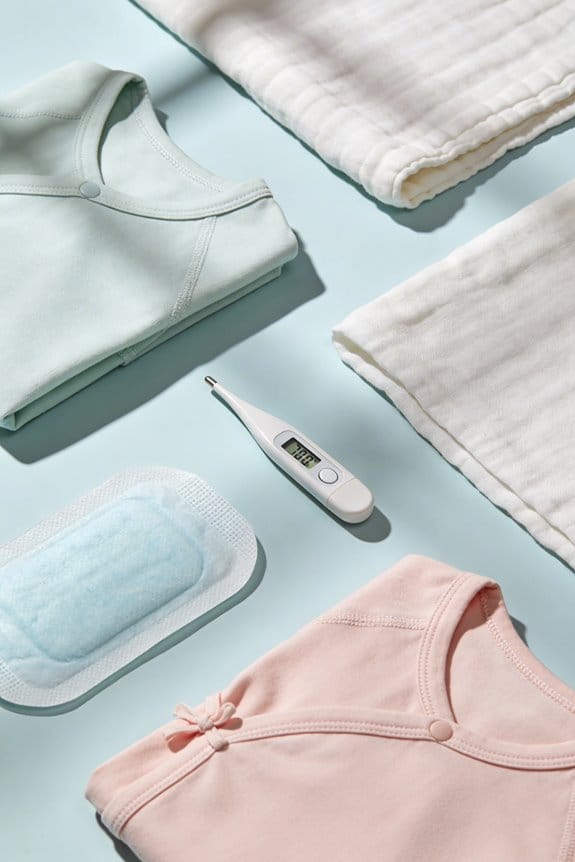

When dressing a baby for sleep during a fever, prioritize lightweight and breathable fabrics. We can use organic cotton or just a diaper to help regulate their body temperature effectively. Avoid heavy layers, as these can trap heat and cause discomfort. Consider using a sleep sack with a suitable TOG rating to maintain warmth without overheating. Monitor your baby’s behavior for signs of discomfort, and make adjustments as needed. Discover more tips to guarantee your baby sleeps comfortably.
Key Takeaways
- Dress your baby in lightweight, breathable fabrics like organic cotton to ensure comfort and regulate body temperature during a fever.
- Keep clothing minimal; a diaper or light onesie is often sufficient to promote heat dissipation and prevent overheating.
- Consider using a sleep sack with an appropriate TOG rating to provide warmth without excessive layers that could cause discomfort.
- Regularly monitor the room temperature, aiming for 68-72°F (20-22°C), to create a comfortable sleep environment for your baby.
- Watch for signs of discomfort, such as restlessness or reduced appetite, and adjust clothing accordingly to alleviate overheating.
Understanding the Impact of Fever on Sleep
When your little one has a fever, it can feel like a real challenge, especially when sleep is disrupted. Many parents notice that a fever leads to shorter, more fragmented sleep periods as their bodies fight off the infection. So, how can you help your baby get better rest during these times?
First, make sure the room temperature hangs between 68 and 72°F. This range helps keep them comfortable and promotes healthier sleep. If the room is too hot or too cold, it can make things worse. And don’t forget about their outfit—dress them in lightweight, breathable fabrics. This approach helps regulate body temperature and prevents overheating, which can heighten fever symptoms.
Here’s the trick: keep a close eye on how your baby feels. Offering minimal clothing can really allow heat to dissipate, ensuring they can relax and sleep more peacefully at night.
Choosing sleepwear with the right materials and breathability features can further enhance comfort during a fever.
So, why does this matter? Better sleep aids healing, and a restful baby means a happier home. Honestly, take a moment to check their comfort levels every now and then.
To recap: a comfortable room temperature and light clothing can do wonders for your little one when they’re feeling under the weather. How do you usually help your child sleep when they’re sick?
What to Dress Your Baby in During a Fever
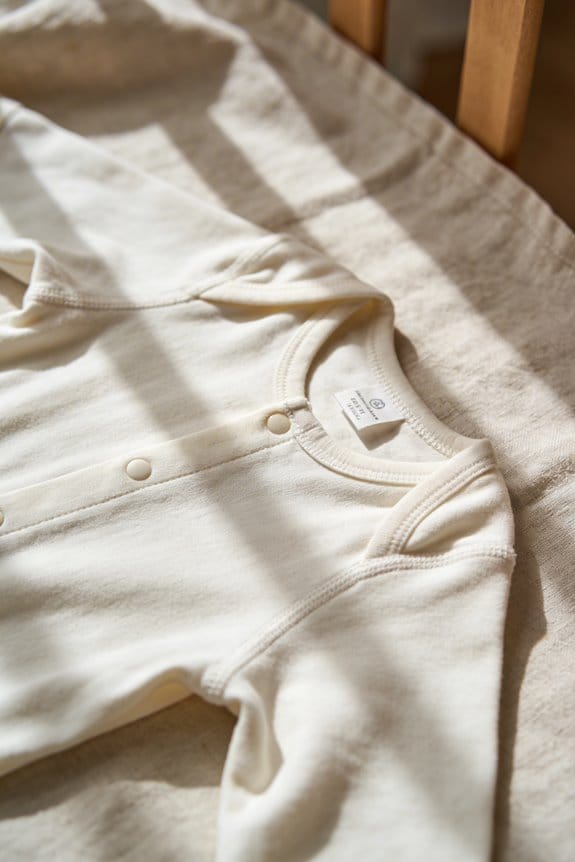
What should you dress your baby in during a fever? It’s a question every parent dreads, but knowing the right outfit can make a big difference for your little one’s comfort.
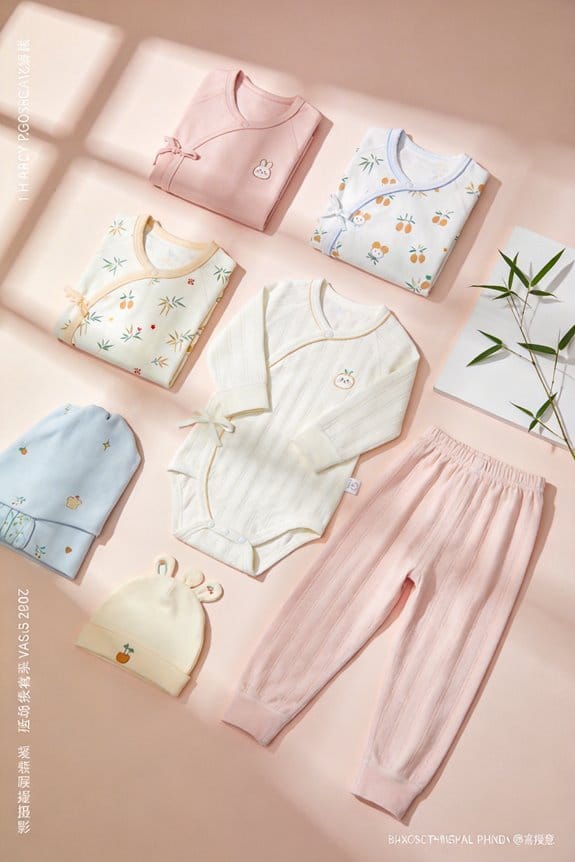
When your baby runs a fever, lightweight fabrics are key. Think organic cotton or other breathable materials that help regulate body temperature without trapping too much heat. Sometimes, just a diaper might be all they need. It sounds a bit scary, but think about it: less clothing means more effective heat dissipation. You don’t want them to overheat, after all.
If it’s evening and your baby is heading to sleep, consider a sleep sack that fits the room temperature, which should ideally hover around 68-72°F (20-22°C). This can provide a cozy environment while still allowing for airflow. Keep an eye on how your baby responds—if they feel clammy or have flushed skin, it might be a sign to reevaluate what they’re wearing.
Monitor their temperature regularly. You’ll often find that it fluctuates, and adjusting their clothing accordingly can help keep them comfortable throughout the night. No one wants to see their baby fussing or uncomfortable, especially when they’re already not feeling well.
In short, be mindful of what your baby wears during a fever. Light clothing, allowing for ventilation, can really help them feel a bit better. Choosing organic cotton bodysuits can provide gentle, breathable comfort that’s safe for sensitive skin. It’s all about finding that delicate balance—what works for one baby may not be the same for another. Have you found any tricks that help keep your baby comfy when they’re sick?
Picking Lightweight Fabrics for Your Baby’s Comfort
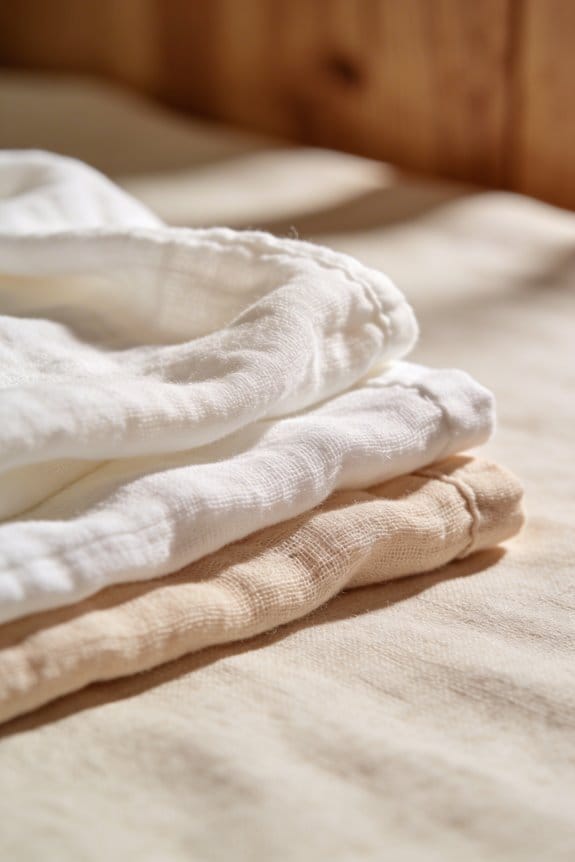
Choosing the right fabrics for your baby’s sleepwear isn’t just about style, it’s crucial for comfort, especially during a fever. You want to focus on breathable materials like organic cotton. These fabrics allow airflow to keep your little one from overheating.
Soft, lightweight sleepwear is key here; you don’t want anything too heavy that’ll just add warmth. Honestly, moisture-wicking fabrics are a must because they keep your baby dry and comfortable. It’s best to steer clear of synthetic materials like polyester or fleece. They might look cute, but they tend to trap heat, which can really upset your little one’s comfort level.
When temperatures rise, dressing your baby in minimal layers can work wonders. Sometimes, just a diaper is all they need to get rid of extra heat. So, why does this matter? Keeping your baby comfortable during a fever can make a real difference in their overall mood and ability to rest.
Choosing clothing with hypoallergenic fabrics helps protect sensitive skin and maximizes comfort during illness.
The Importance of Breathability in Baby Sleepwear
Have you ever noticed how hard it can be to keep your little one comfortable when they’re running a fever? One of the best things you can do is pay attention to what they’re wearing to sleep. Breathability in baby sleepwear is key, especially when their body temperature rises.
Opting for breathable fabrics like organic cotton or linen makes a real difference. These materials are great because they let moisture and heat escape, which helps prevent overheating. When your baby sweats, all that moisture can lead to discomfort and even skin irritation. So, it just makes sense to dress them in lightweight, non-toxic layers.
Try this: Keep the layers minimal. A couple of thin layers can actually promote airflow better than heavier ones. Plus, you can rest easier knowing that these breathable fabrics will help keep your baby dry throughout the night.
Honestly, it’s all about creating a restful sleep environment. This is really important for their healing process, especially when they’re not feeling well. If they’re comfortable and dry, they can focus on resting up and getting better. Choosing fabrics with GOTS-certified organic cotton ensures both breathability and hypoallergenic benefits, which are ideal for sensitive skin during illness.
Creating a Comfortable Sleep Environment for Sick Babies
When your little one is feeling sick, getting them to sleep comfortably is crucial for their recovery. Think about it—when you’re not feeling your best, a cozy sleep environment makes all the difference, right? Dress your baby in lightweight, breathable fabrics like organic cotton to keep the air flowing and avoid overheating, especially if they have a fever. Minimal clothing is key; a diaper or a light onesie helps heat escape, keeping them comfy.
Try this: consider using a TOG sleep sack rated between 1.0 to 2.5. It strikes that perfect balance between warmth and breathability without overwhelming them with too many layers. Aim to keep the room temperature between 68-72°F (20-22°C) for optimal comfort.
You’ll also want to ensure the space is well-ventilated. Heavy blankets might seem cozy, but they can trap heat and irritate your little one during those feverish moments. Instead, go for lighter options that provide just enough warmth without causing them to overheat.
Honestly, creating that perfect sleep environment can make a world of difference in your baby’s mood and recovery. So, what’s your go-to trick for helping your little one sleep when they’re under the weather? Remember to regularly check the baby’s temperature while sleeping to determine comfort levels and adjust clothing as necessary to prevent overheating and ensure safety with TOG ratings.
How to Tell if Your Baby Is Overheating?
How can you tell if your baby is overheating? Paying attention to a few key signs can make all the difference. If you notice damp hair, flushed skin, or your little one seems fussier than usual, they might be feeling uncomfortable due to heat. It’s tempting to check their hands or feet for warmth, but stick to feeling their chest or the back of their neck instead. That’ll give you a more accurate read on how hot they really are.
You might also see your baby being fidgety or restless, making it tough to calm them down. And let’s not forget about changes in appetite; if your baby’s not eating as much and seems extra tired, overheating could be the culprit. Honestly, overdressing can worsen the situation, especially if they’re running a fever, so keep those layers to a minimum.
Keeping a close eye on your baby’s comfort is essential. Remember, it’s all about staying vigilant and recognizing those signs early. So, how are you managing baby’s comfort during the hotter days?
Layering Sleepwear for Warmth Without Overheating
How do you keep your little ones warm at night without turning them into sweaty bundles? It’s a tough balance, especially when they’re dealing with a fever.
To get it right, start with lightweight fabrics—think organic cotton—that allow air to flow. You might want to begin with just a diaper or a thin onesie, so they can shed heat easily. Sleep sacks can be a great option too, but make sure they’re made from breathable materials and are rated for your baby’s room temperature. Aim for a cozy setup between 68-72°F (20-22°C) to keep things comfortable.
Here’s the trick: keep an eye on the temperature to avoid overdressing. Too many layers can trap heat and make fever symptoms worse. Ask yourself, are you layering up just right?
Using breathable fabrics helps prevent overheating while maintaining warmth during sleep.
Recognizing When to Adjust Layers Based on Conditions
Isn’t it crucial to know when to adjust your baby’s layers, especially if they have a fever? Dressing your little one in lightweight, breathable fabrics like organic cotton can really help keep them comfortable and regulate their temperature.
Keep an eye on the room temperature, too. Aim for a cozy 20-22°C (68-72°F). If your baby’s fever spikes, it might be best to keep their clothing to a minimum—just a diaper could suffice to prevent overheating.
Here’s the trick: a sleep sack can be a great option, but make sure it matches the right TOG rating so they’re warm without getting too hot. Regularly checking your baby’s temperature will give you clues on whether you need to make adjustments.
You want them to sleep soundly through the night, right? So, keeping layers appropriate during these times can really make a difference. Remember to trust your instincts and adjust as needed. What has worked best for you when managing your baby’s comfort during a fever?
Additionally, choosing romper jackets made from soft fleece material can provide gentle warmth without causing heat buildup during sleep.
Safe Sleep Tips While Your Baby Has a Fever
When your little one has a fever, you might feel anxious about their comfort and sleep. How do you make sure their sleep environment is safe yet cozy? Let’s break it down.
Start by dressing your baby in lightweight, breathable fabrics like organic cotton. This is key to helping regulate their body temperature. If you’re wondering what to put them in, try sticking to minimal clothing—sometimes just a diaper is best. This allows for better heat dissipation, which is super important when they’re feeling hot.
Also, think about using a sleep sack. Just check the TOG rating and make sure it fits the room temperature, ideally around 68-72°F (20-22°C). Here’s the thing: avoiding heavy blankets or multiple layers is crucial. These can trap heat and actually make their fever worse.
Choosing sleepwear made from certified organic cotton can ensure comfort while minimizing irritation to sensitive skin during illness.
So, why does this matter? Creating a comfortable sleep environment can make a big difference in how well your baby rests during an uncomfortable time. Keep an eye on their temperature to ensure they’re feeling comfortable and safe.
In the end, when your baby is under the weather, taking steps to make their sleep space safe and snug can really help. What tips have you found most helpful when your child is sick?
Monitoring Your Baby’s Comfort While They Sleep
How can you ensure your little one feels comfortable through the night, especially when they’re under the weather? Proper dressing is key. You’ll want to go for lightweight, breathable fabrics like organic cotton. This keeps their body temperature in check during a fever, which is super important to prevent overheating.
Keep an eye out for signs of discomfort while they sleep. Is their hair damp? Is their skin looking flushed? These can be red flags that they’re too warm. Additionally, maintain a cozy room temperature between 68-72°F (20-22°C) to keep things just right.
It’s also really helpful to regularly check on your baby’s behavior and sleep patterns. Are they fidgeting more than usual? Or maybe they’re not waking up as often? These observations can tell you if they’re getting the rest they need.
Choosing sleepwear made from breathable materials can further help regulate your baby’s temperature throughout the night.
The best part is, by focusing on these small details, you can create a secure and comforting environment for your little one, even during tough times like illness.
Frequently Asked Questions
What to Dress a Baby in at Night With a Fever?
When our baby has a fever, we dress them in lightweight fabrics and just a diaper for ideal sleep comfort. Regular skin checks help guarantee their temperature regulation aligns with the room environment for baby safety.
How Should Babies Sleep When They Have a Fever?
Did you know that 70% of babies experience fever symptoms? To help them sleep, we should maintain a cool room temperature, monitor signs, guarantee hydration, and find soothing methods while considering comfy sleep positions for recovery.
What Is the 5 3 3 Rule for Baby Sleep?
The 5 3 3 rule emphasizes the importance of layers for our baby’s sleep environment. We should prioritize breathable fabric choice, monitor fever, and trust our parental instincts to guarantee baby comfort and sleep safety.
What to Dress a Baby in for Sleep Based on Temperature?
When we think of cozy campfires, we realize that lighter layers keep us comfortable. For baby sleepwear, breathable fabrics at room temperatures around 68°F guarantee fever comfort—layered clothing aids in temperature regulation and sweat management.