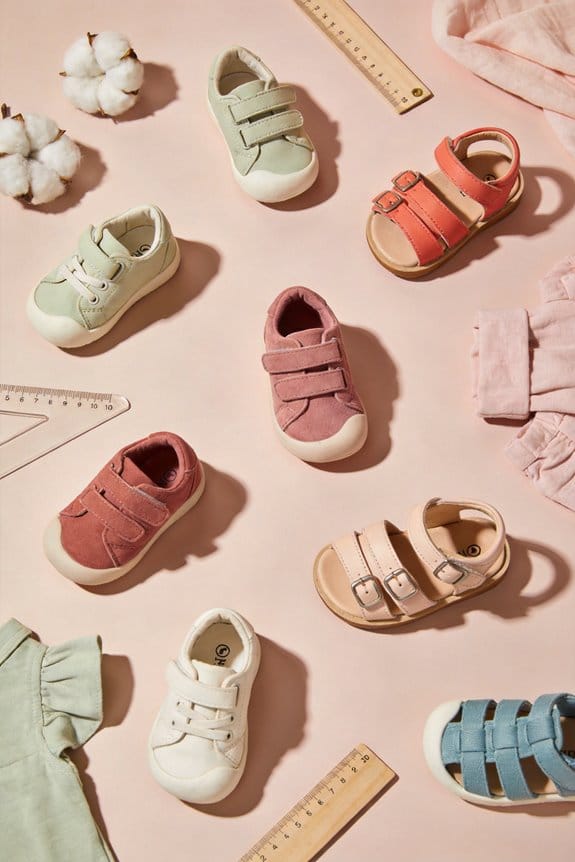

As parents, we should watch for signs that our child has outgrown their shoes. Look for cramped or curled toes, which indicate improper fit. After shoe removal, check for red marks or blisters, suggesting the shoes may be too tight. Also, observe any changes in their walking style or difficulty putting on shoes, as these can indicate fit issues. Regular inspections and measuring can guarantee they have the right support; let’s explore this further.
Key Takeaways
- Check for a thumb’s width of space between the longest toe and shoe end; insufficient space signals a need for larger shoes.
- Observe for cramped or curled toes inside shoes; this indicates improper fit and potential harm to growing feet.
- Look for red marks, blisters, or irritation on feet post-shoe removal; these discomfort signs suggest shoes may be too tight.
- Measure your child’s feet every 2-3 months, especially during growth spurts, to ensure they’re wearing the correct size.
- Monitor toe movement; restricted or misaligned toes can lead to imbalances and long-term foot problems.
Why Proper Shoe Fit Matters: Key Signs to Watch For
When you’re picking out shoes for your kids, it’s key to ensure they actually fit properly. Have you ever noticed your child complaining about their feet hurting after a long day? That might be a sign to check those shoes again. Ideally, you want to see about a thumb’s width of space between their longest toe and the end of the shoe.
After your child takes off their shoes, take a peek at their feet. Are there red marks, blisters, or indentations? If so, it might be time for new kicks. Keep an eye out for any changes in how they walk, too. A limp could signal they’re not comfortable, which is definitely something to address.
If your little one seems to struggle when putting on or taking off their shoes, that’s another red flag—they could be too small. Trust me, regular check-ins every 2-3 months can make all the difference, especially during those pesky growth spurts.
Addressing these signs helps keep your kids comfortable and supports their active lifestyle. So, why does this matter? Healthy feet lead to active play and fewer complaints. Remember, it’s all about what makes your child happy on their feet!
Keeping an eye on the fit and comfort of baby clothing like denim pants can also provide clues about their overall growth and sizing needs.
Toes Cramped or Curling: Signs of Sizing Issues
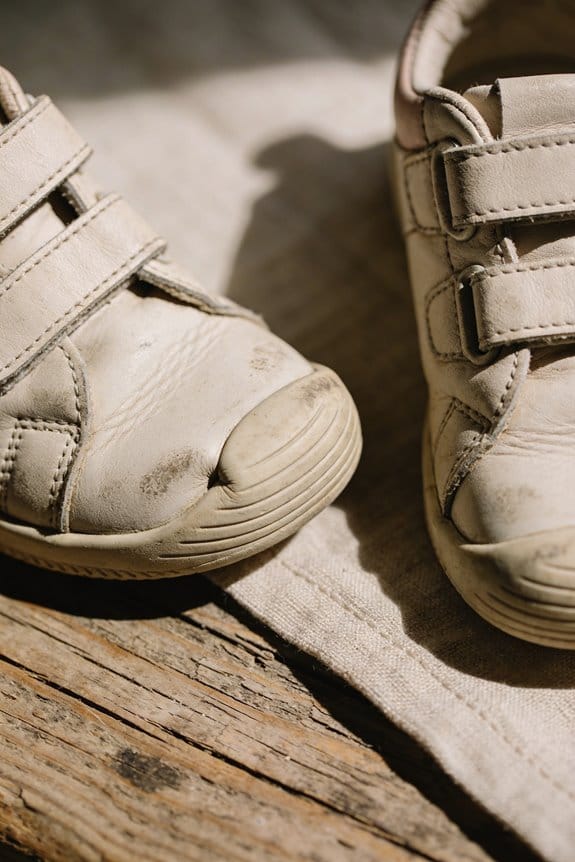
Have you ever noticed your child’s toes looking cramped or curled up inside their shoes? That’s a clear sign their footwear might not be fitting quite right. When shoes are too small, it can restrict toe movement, which isn’t great for their growing feet. Ideally, you want there to be at least a thumb’s width of space between your child’s longest toe and the end of the shoe. This little bit of room allows their toes to move naturally as they run and play.
Check your child’s toe alignment regularly, especially if they’re super active. If you spot curled or squished toes, it’s time to reassess their shoe size. Ignoring these signs can lead to discomfort now and even some long-term foot issues down the line. Kids’ feet grow so fast that keeping an eye out for sizing issues is crucial for their overall foot health and comfort.
So, why does this matter? Shoes that don’t fit properly can affect your child’s posture and balance, making it harder for them to enjoy their favorite activities. Here’s the trick: when buying shoes, always have your child try them on and walk around a bit in the store. It’s a pretty simple step that can make a world of difference! For optimal foot comfort and ease of movement, consider footwear with stretchy waistbands and adjustable features.
Recognizing Red Marks and Blisters After Shoe Removal
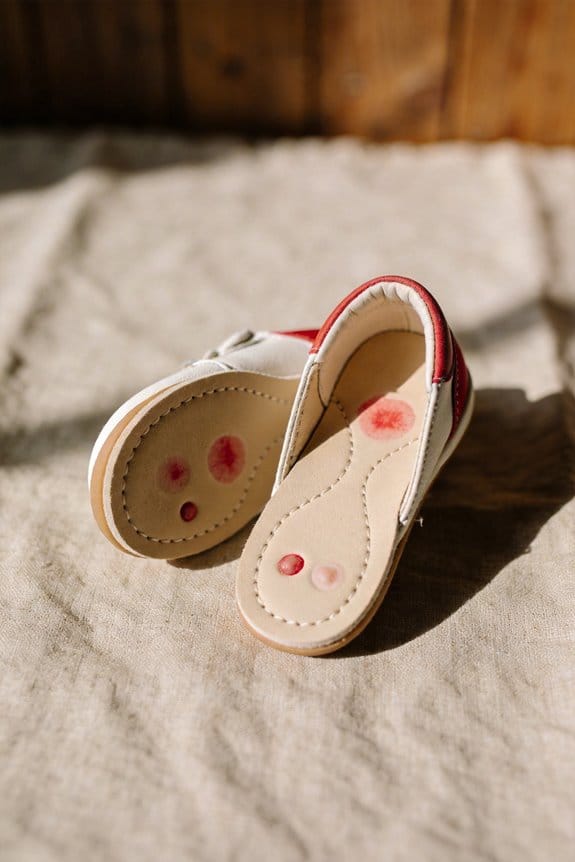
Noticing red marks or blisters on your child’s feet after they take off their shoes can really set off alarm bells. But these signs actually give you a peek into whether their shoes are fitting right. If you see those red marks, it’s often a signal that their growing feet are being squeezed a bit too tightly. Blisters or irritation on the sides or back? That means friction from shoes that just aren’t the right fit.
Think about it: If your child feels discomfort, they’re likely going to shy away from wearing those shoes, which could affect their playtime both inside and out. Make it a habit to check their feet after they kick off their shoes. It’s so easy to miss these signs, but early detection can prevent bigger foot problems down the road. When you find the right size, you’re not just promoting comfort; you’re encouraging your children to be active and enjoy their play.
So, what should you look for? Here are a few quick tips:
- Regularly check for red marks or blisters every time they take off their shoes.
- If the shoes are too snug, consider going up a size.
- Pay attention to how they walk or play. If they seem hesitant, it might just be their shoes.
Choosing baby products such as clothing with comfortable and durable materials supports your child’s overall comfort, which complements the importance of well-fitting shoes for healthy development.
Honestly, keeping an eye on their footwear fit can make all the difference. After all, happy feet mean happy kids! Are you making sure your child’s shoes are the right fit?
How to Observe Changes in Your Child’s Walking Style?
Have you ever noticed something off about your child’s walking style? Maybe they’ve started limping, walking on their toes, or just seem to be moving slower than usual. These changes can be telling signs that their shoes don’t fit right or their feet may be uncomfortable.
If they’re avoiding games and activities they used to love, it could mean they’re experiencing pain, which is so tough to watch. Pay close attention to how they balance while playing. If they look a bit wobbly or unsure, that could be a red flag showing that their shoes aren’t doing them any favors. It’s interesting, isn’t it? Small adjustments in their gait might point directly to foot issues related to the sizing and fit of their shoes.
Try this: make it a routine to check their shoes. If you notice them less eager to transition from walking to running, you might want to reassess what they’ve got on their feet. The best part is, catching these issues early can help keep your child active and spirited. Also, just like choosing the right pajamas requires attention to size and fit options for comfort and mobility, the same goes for their shoes to ensure healthy development.
What Difficulty Putting on Shoes Shows About Fit?
Have you ever watched your child struggle to put on their shoes and wondered if something’s off? It can be frustrating for both of you, and often, it hints at a problem with the fit. If your little one has trouble sliding their feet in, that usually means the shoes are too small. Ideally, a shoe should be comfortable enough that they can easily put it on and take it off without a wrestling match. Excessive tugging or difficulty is a sure sign it’s time to look for a larger size.
Check for that all-important thumb’s width of space at the front of the shoe—this is a helpful way to gauge if the size is right. If you notice your child struggling to wear shoes that used to fit like a charm, it’s definitely time for a shoe check-up.
So, what’s the big deal about all this? Well, kids grow fast, and seasonal changes can also affect shoe fit. Keeping an eye out for signs that they’ve outgrown their shoes can make a world of difference in their comfort and foot health. It’s also important to choose breathable fabrics in shoes to prevent discomfort and allow for healthy foot development.
Check for Uneven Wear Patterns in Shoes
When’s the last time you checked your kid’s shoes for wear? It might sound like a small thing, but uneven wear patterns can reveal some pretty big issues that might mean they’ve outgrown their footwear. Take a closer look at those shoes, because what you find could help keep your little one’s feet comfortable and healthy.
So, what should you be looking for? Here are a few signs of uneven wear:
- Quick wear on the outer edges could mean the shoes are too small, making their feet shift around uncomfortably.
- Thinning heels or scuff marks on one side can indicate they’re not getting the support they need.
Regularly checking for these signs is crucial. Uneven wear can lead to discomfort and even affect your child’s walking style. If you notice any unusual wear, don’t wait too long to replace those shoes. Keeping a proper fit and adequate support can really make a difference in how your child feels during playtime.
Honestly, taking a few minutes to inspect their shoes isn’t just about fashion—it’s about their foot health. After all, do you really want to risk them developing issues down the line? So next time you’re doing a routine check, keep an eye out for those signs and ensure their footwear fits just right. It’s also important to choose shoes made from soft, breathable materials to prevent irritation and keep growing feet comfortable.
Identifying and Fixing Insufficient Shoe Support
Is your child complaining about sore feet? If so, it might be time to take a closer look at their shoes. Poor shoe support can lead to serious discomfort and impact their foot development over time. When kids frequently mention soreness, especially in the arch or heel, it’s often a sign that their shoes just aren’t cutting it when it comes to support.
Keep an eye out for other clues, too. Redness, blisters, or those pesky calluses suggest the shoes might not fit well or lack adequate padding. And what about tripping or toe-walking? Those behaviors can signal that the shoes lack proper lateral support, which definitely deserves a second glance during your next shoe shopping trip.
Here’s the trick: shoes that feel overly flexible? They typically don’t provide the support kids need for healthy foot development. Consider opting for shoes that maintain structure but still let little feet move comfortably. By taking care of these issues early, you can help ensure that your child stays active and comfortable. Additionally, selecting footwear with durability and moisture control attributes can significantly improve comfort and foot health.
When to Measure for New Shoes During Growth Spurts
When it comes to kids’ shoes, keeping an eye on their fit is more crucial than you might think. Have you ever noticed how fast your little one seems to grow? During those growth spurts, it’s a good idea to check their shoe size every 2-3 months, especially for toddlers. For older kids, measuring every 4-6 months will usually do the trick.
One important detail to remember: always measure both feet. Kids often have one foot that’s slightly larger, and getting that perfect fit means taking both sizes into account. Make sure to leave about a thumb’s width of space at the front of the shoe. This allowance lets their toes move comfortably, which is so important for their growing feet.
Have you thought about when the best time to measure is? Measuring in the evening can give you a more accurate reading since kids’ feet tend to swell throughout the day. Honestly, regularly checking your child’s shoe size can prevent discomfort and support healthy growth. Kids can grow a full size in just 3-4 months, so staying on top of their shoe size can make all the difference!
Choosing footwear made from breathable fabrics can further enhance comfort during these critical growth periods.
To sum it all up, keeping a check on your child’s shoe size is key to their comfort and growth. So, when was the last time you measured their feet?
Choosing the Best Shoes for Growing Feet
Choosing the right shoes for your little ones can be a bit of a headache, especially with how fast their feet seem to grow. One important thing you’ll want to keep in mind is to look for shoes with a roomy toe box. Aim for at least a thumb’s width of space beyond their longest toe. This little tip can do wonders in ensuring their feet have room to grow without cramping up.
If you’re wondering about the shoe design, consider those with a zero drop feature. This helps maintain balance as kids run, jump, and play—the all-important active life! Also, make sure the shoes have cushioned insoles and flexible soles. These features are essential for supporting all that energetic play and exploration.
So, how often should you be checking your child’s feet? Regular measurements every 2-3 months are key to making sure they stay comfy in their shoes. It’s easy to overlook this, but keeping tabs on their foot size will help you prevent any discomfort down the line.
Additionally, selecting footwear made from breathable materials can enhance comfort by allowing air circulation and preventing overheating during activity.
Truth is, taking care of these details not only keeps your kids’ feet safe but also helps them feel good as they grow. After all, happy feet make for happy kids! How do you choose the right shoes for your little ones?
Tips for Regularly Assessing and Replacing Shoes
How can you ensure your kids are stepping comfortably and safely in their shoes? One simple way is to check their footwear every 2-3 months. Kids are growing at an incredible pace, and those shoes that fit just right a few months ago might not be so great anymore. Make sure there’s at least a thumb’s width of space between the longest toe and the front of the shoe.
While you’re at it, keep an eye out for any signs of discomfort. Red marks or blisters can be telltale signs that it’s time for a new pair. Plus, take a look at the soles; if they’re worn down or scuffed, that could mean there’s a loss of support, making it crucial to replace them.
Regularly assessing and replacing your kids’ shoes not only keeps them comfortable but also supports their foot health, especially when they’re running around and being active. So, why does this matter? Well, a good-fitting shoe can make all the difference in preventing injuries and ensuring they enjoy all those playful activities.
It’s also useful to consider adjustable waists in pants and shoes as kids grow quickly, allowing for comfort and longer wear.
Here’s a quick checklist for you:
- Check size every 2-3 months.
- Look for at least a thumb’s width of space.
- Watch for red marks or blisters.
- Inspect for worn-out soles.
Honestly, keeping up with this routine can feel like a chore, but it’s definitely worth it in the long run. After all, you want your kids to feel good on their feet. Are you due for a shoe inspection?
Frequently Asked Questions
What Is the 3 Shoe Rule?
Did you know children’s feet grow about a full shoe size every few months? The 3 Shoe Rule suggests three shoe types, ensuring proper shoe fitting, toe space, arch support, and durability to accommodate growth spurts.
How Quickly Do Children Grow Out of Shoes?
Children can grow out of shoes astonishingly fast, often experiencing growth spurts that change shoe sizes every few months. For foot health, we should be vigilant for signs of discomfort and follow fitting tips in buying guides.
What Is the Cobbler’s Children’s Shoes Syndrome?
The cobbler’s children’s shoes syndrome reflects the cobblers’ dilemma where professionals neglect proper shoe fitting for their kids, ignoring signs of discomfort. We must prioritize children’s foot growth and adopt proper shoe care as preventative measures.
How to Know When a Toddler Outgrows Shoes?
To know when our toddler outgrows shoes, we should measure their feet regularly, look for signs of discomfort, and guarantee proper shoe materials while considering flexibility and style. Fitting tips will help maintain comfort and growth.