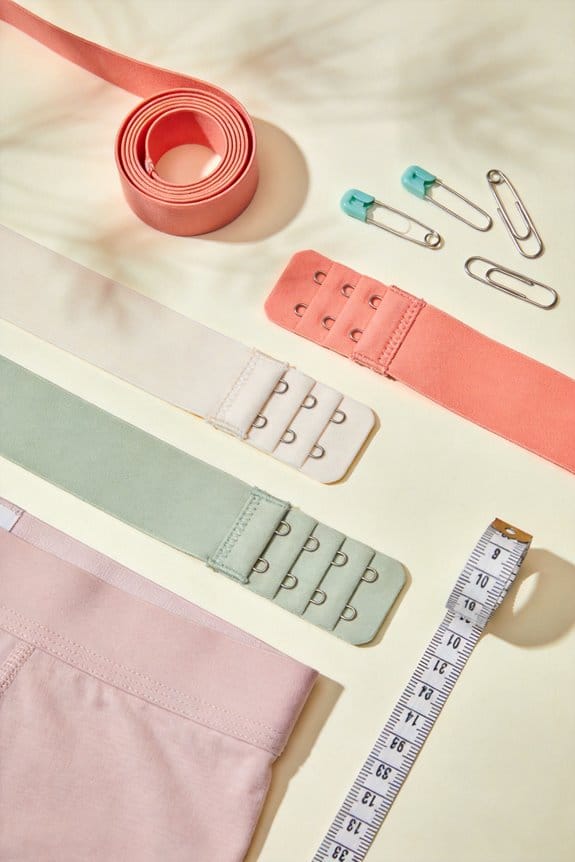

When our pants fit well at the waist but are too long, there are simple adjustments we can make for a better fit. First, we can fold the waistband over slightly and use pins to mark the desired height. To avoid bulk, we can cut off any excess fabric and press the hem for a clean look. If needed, tucking fabric inward can help create a tailored appearance. More techniques can refine our adjustments even further.
Key Takeaways
- Fold the waistband over to shorten pants without altering the seam for a quick fix.
- Use pins to mark the desired height for accuracy before making any adjustments.
- Cut excess length from the bottom of the waistband for a cleaner look.
- Pin the hem evenly while wearing the pants to ensure comfort and fit.
- Smooth out excess fabric inward for a tailored look and secure with a wide belt.
Tricks for Quick Waistband Adjustments
Ever find yourself with a pair of pants that fit great but are just a tad too long? It’s a common problem, but don’t worry—there are some quick tricks to help you adjust that waistband without the hassle.
First off, if you’re looking to shorten the height of your waistband, fold it over. This way, you won’t mess up the current seam. Just use some pins to mark where you’d like it to sit. That little step ensures you get it right the first time.
Another tip is to cut off any excess length from the bottom of the waistband. This helps maintain the original design of the pants and gives you a cleaner look. And let’s not forget about pressing! Giving those adjustments a good press sets the new length nicely, making your pants look sharp.
So, why does this matter? Well, it saves time and helps you keep your favorite pieces in your wardrobe. No need to spend extra cash on alterations when you can DIY it at home!
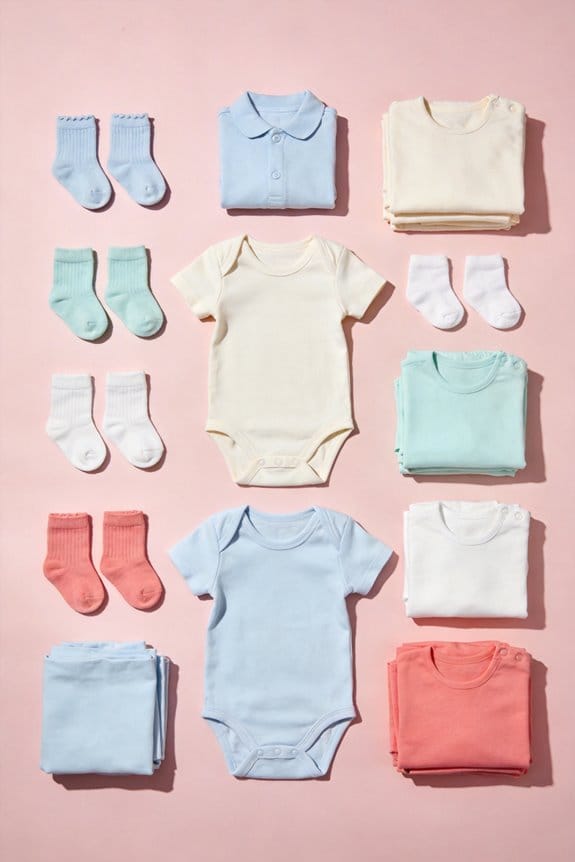
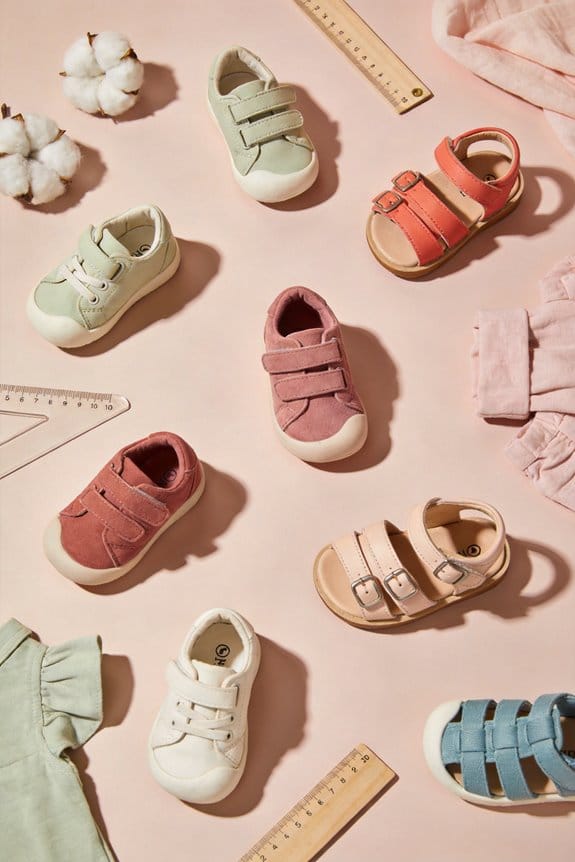
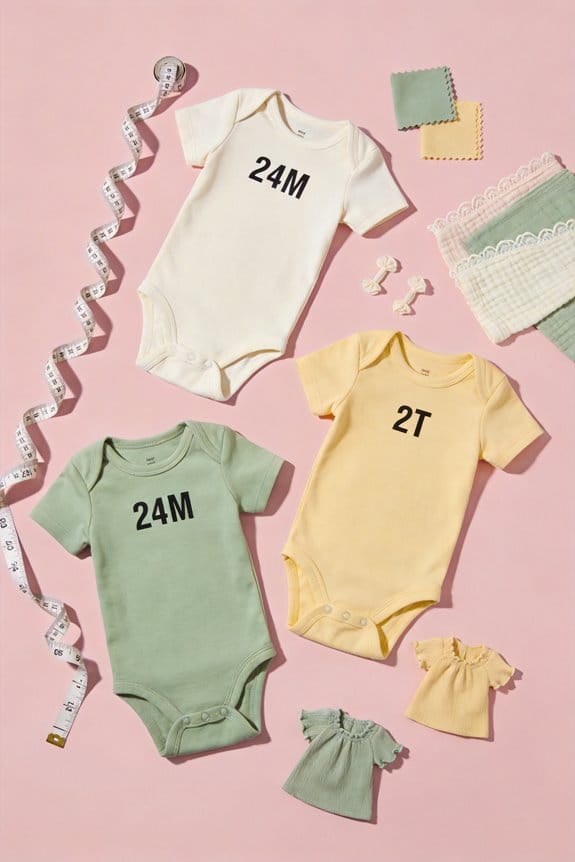
In short, adjusting waistbands can be easy with a few simple tricks. Plus, just like choosing the right clothing size for babies, ensuring the perfect fit and comfort is key when modifying garments.
Have you ever tried these methods before? Give them a shot, and let me know how it goes!
How to Pin Up Hem for Immediate Fit Feedback
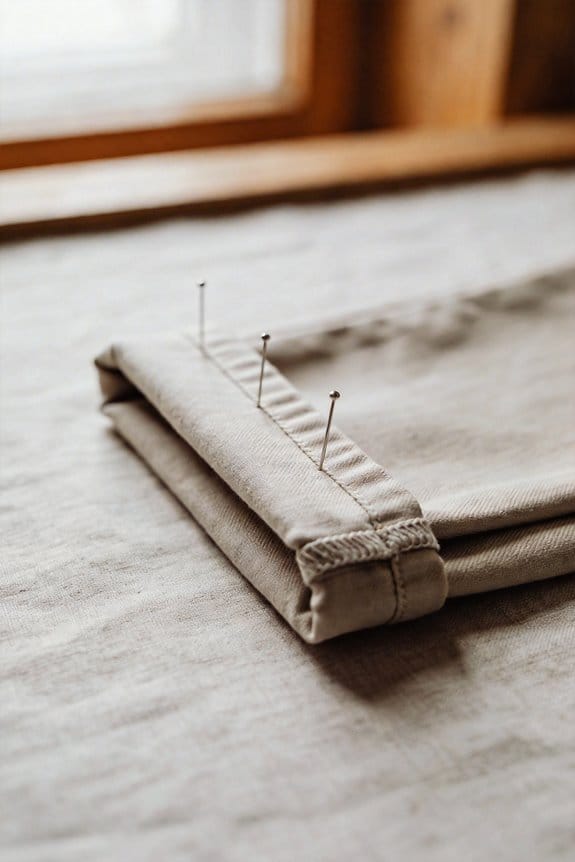
Adjusting the hem of your pants can feel like an impossible task sometimes, especially when you want that perfect fit in a hurry. You put them on, and maybe they’re dragging on the ground or sitting too low, and you’re thinking, “I really need to fix this!” So, how do you do it without a sewing machine?
Start by trying on the pants and figuring out how much length needs to go—aim for about 1 to 2 inches above the floor. Grab some safety pins or fabric pins and get to work. Pin the hem evenly, making sure it looks nice and flat—nobody wants a hem that’s all bunched up, right? It’s helpful to stand up straight and make sure the pants feel comfortable. They shouldn’t be tight around your calves, and you definitely don’t want them dragging on the ground while you walk.
Here’s the trick: after you’ve pinned everything, take a walk around your house or sit down for a bit. If everything feels good, grab some chalk or a fabric marker and mark your new hemline. This way, you’re ready for any permanent adjustments later on without worrying about messing it up. When adjusting, keep in mind that fabrics like chiffon or lace used in formal dresses require special care to maintain their breathability and comfort.
Tucking Above the Waistband: Easy Steps
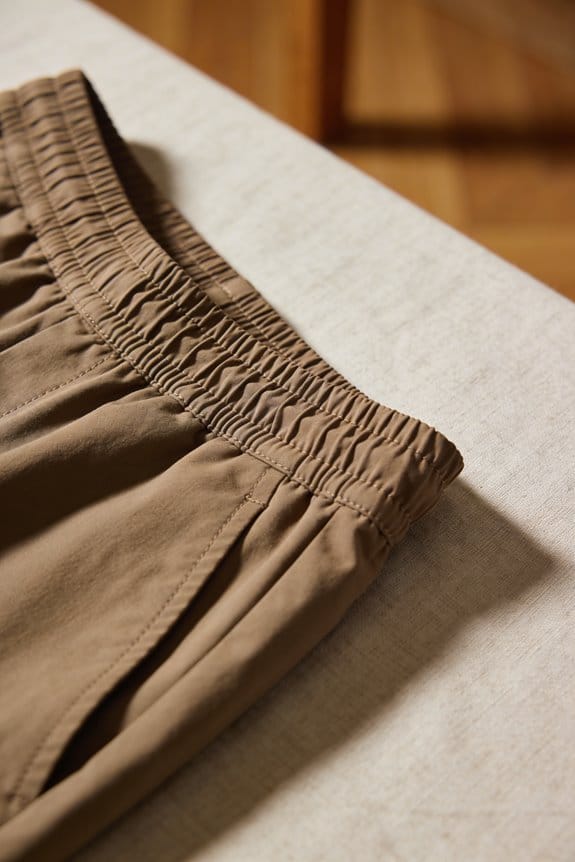
Tucking your pants above the waistband can really elevate your outfit, but how do you pull it off without a hitch? It’s all about making those little adjustments that help you look and feel more put together. Start by folding any excess fabric of your pants inward. Use your fingers to smooth things out; nobody wants a bunch of fabric causing awkwardness. Want to keep everything in place? A wide belt or elastic band does wonders for holding that tuck tight all day.
Not only does this method give a more tailored look, but it also helps avoid gaping or discomfort around the waist. So, what styles can you play around with? The “French tuck” is a fun one, where you tuck just the front of your shirt in, or you could try a simple side tuck—both can change how your outfit comes across.
Honestly, experimenting with different tucks can be a game of trial and error. You’ll quickly find which style feels best for you and suits your outfit perfectly. Don’t hesitate to try different combinations to see what makes you feel confident!
Wrapping it all up, tucking above the waistband is a neat trick that makes a big difference. Have you tried it? Maybe it’s time to give it a go! Many comfortable clothing options feature stretchy waistbands that help maintain a secure fit even when adjustments like tucking are applied.
How to Faux Hem: Maintain Style While Adjusting Size
Finding the perfect length for your pants can be a real headache, right? Sometimes, they fit like a dream everywhere else, but that length? Not so much. Luckily, there’s a simple move you can make that doesn’t involve committing to permanent alterations—enter faux hems!
Here’s the trick: Instead of taking your pants to a tailor, try folding the extra fabric of your pant leg inward. You can secure that fold with fabric adhesive or a slipstitch. Just make sure to trim any unnecessary fabric carefully. You want the bottom of your pants to look sleek, not bulky. It can be really helpful to do this for wide-leg or flare pants, especially if you’re trying to mix and match with different shoes.
Why does this matter? Well, having that style flexibility means you can wear your favorite pants without worrying about whether they’ll go with your go-to footwear. Plus, you can switch things up based on the occasion—casual sneakers today, and chic heels tomorrow.
The best part is, these adjustments are super easy to do at home. You’re not tied down to a permanent change, but you still can enjoy wearing your stylish pants just the way you like them. This technique also helps in maintaining the functional versatility of your wardrobe without compromising on fit or style.
Essential Techniques for a Durable Hem
When you’re faced with the task of shortening your pants, the last thing you want is a sloppy hem. It can really throw off your whole look, right? Start by grabbing some fabric chalk or a marker to mark where you want your new hem to fall. A little precision goes a long way!
Now, let’s get into the nitty-gritty. Try a double fold hem instead of a single fold. It not only gives you a clean finish but also reduces fraying, which means your hem will last longer. Once you’ve pinned and stitched it down—whether with a straight or zigzag stitch—make sure to match the thread color to your fabric. It’ll make the whole thing look much smoother.
Here’s the trick: don’t skip the pressing stage. Gently iron your hem to set that fold and create a nice, crisp edge. This little step can really enhance the overall appearance of your tailored pants.
For the best results, using durable fabrics that withstand repeated washing helps maintain your hem’s integrity over time.
Fixing Common Hem Problems: Solutions for Fray and Bulk
Fixing common hem problems doesn’t have to be a daunting task. We all know that feeling of pulling out a favorite garment only to find the hem frayed or bulky. If you’re dealing with frayed edges, here’s a simple solution: try using bias binding tape to encase those raw hems. Not only does this give you a clean look, but it also makes your hem way more durable.
Now, about those pesky bulky hems. Have you ever noticed how they can throw off the whole vibe of your outfit? A walking foot can be your best friend here. It helps feed the fabric evenly through your sewing machine, minimizing any shifting and keeping everything in line.
If your hem is just a tad too long, consider the rolled hem technique. It’s a neat trick that reduces bulk and still looks super polished. And if you’re working with several layers of fabric, trimming the excess can make a world of difference. Just remember to give the hem a good press afterward; it’s what sets the fabric and gives you that crisp, clean finish. Choosing breathable and safe fabrics like 100% cotton can also make hemming easier and improve the garment’s longevity.
Tools You’ll Need for Waistband Adjustments
Adjusting waistbands can seem a bit daunting, especially if you’re not used to sewing. But trust me, it can be pretty simple with the right tools in your corner. You’ll definitely want a seam ripper for carefully detaching the waistband from your pants. It’s one tool you just can’t skip, as it helps avoid any accidental damage.
Don’t forget about fabric scissors! They’re perfect for trimming any excess fabric once you’ve got the length just right. You’ll also need a measuring tape to figure out exactly how much you want to take off. Marking your new seam and cutting line is easier with tailor’s chalk or a fabric marker, so keep those handy.
And yes, a sewing machine is a must when it’s time to sew the waistband back on. It helps ensure your alterations look neat and hold up over time. Honestly, having these tools at your disposal makes a world of difference. For added safety, make sure you check for secure buttons if you’re adjusting pants with button closures to avoid any hazards after tailoring.
Expert Tips for a Professional-Looking Finish
Have you ever looked at a pair of pants and thought they just looked “off” because of the length? If you’re thinking about adjusting the hem, you’ll want to dive into some easy tailoring techniques. A blind hem stitch or a rolled hem can work wonders, giving you a clean finish that won’t scream “I just altered these!” from across the room.
If there’s a gap at the waistband after you’ve made your adjustments, don’t sweat it. You can easily fix this by adding a waistband facing or just tweaking the top edge for a snugger fit. These little tweaks can make all the difference.
Here’s the trick: once you’ve done the cutting and sewing, press those hems and seams really well with a tailoring iron. It sounds simple, but pressing gives everything that polished, crisp look. And while you’re at it, always use measurement guides to ensure you’re hitting all the right spots on fit. Check how the pants feel when you sit or walk—comfort is just as important as style. For best results, prioritize ease of changing in clothing adjustments to maintain both comfort and functionality.
Fast and Easy Tips for Future Alterations
Need to make quick adjustments to those pants that just don’t quite fit? You’re not alone! It happens to the best of us. Luckily, there are some straightforward techniques you can try that can save you a ton of time and will help ensure a good fit.
First things first, let’s talk about the pinning method. Simply pinch the excess fabric in the waistband to see how much you need to remove. This little trick helps keep the waistband flexible, which is key for comfort. Once you’ve got your desired length, fold the waistband down and secure it with a few basting stitches before going for the permanent ones. This way, you’re not committing to any mistakes right away.
Now, keep in mind that different fabrics have unique behaviors—some stretch more than others. So, why does this matter? Because you want to make sure your adjustments don’t compromise your comfort. Quick fittings after each change are important too. They’ll help you make more precise tweaks without overdoing it.
Oh, and here’s another tip: reinforcing with interfacing can be a lifesaver for maintaining the integrity of the waistband. It’s a little extra step that makes a big difference.
In the end, making pants alterations doesn’t have to be daunting. Just take your time, and don’t hesitate to try these tips out next time you’re faced with a fitting dilemma. Remember, choosing fabrics known for their stretchy fabrics can make your adjustments easier and more comfortable.
How do you handle your alterations?
Frequently Asked Questions
How to Fix Pants That Are Way Too Long?
To fix pants that are way too long, we can consider hem alterations through cutting and resewing, or opt for no sew solutions like hem tape. Let’s guarantee the length suits our desired look!
How to Make Pants Fit Tighter Around the Waist?
To make pants fit tighter around the waist, we can explore waistband alterations, incorporate elastic bands for flexibility, and utilize clothing clips to visualize adjustments. Let’s transform our fit together for a comfortable, stylish look!
What Is the 2 Finger Test for Pants?
The 2 Finger Test is our go-to fitting technique for pants. We insert two fingers in the waistband for a fit assessment, ensuring it’s snug but comfortable—an essential part of achieving proper technique for great fitting pants.
How to Adjust Pants That Are Too Long Without Sewing?
Did you know that over 50% of people struggle with pant lengths? We can easily adjust pants using hem tape solutions or fabric adhesive options for temporary waistband adjustments, ensuring a perfect fit without sewing.