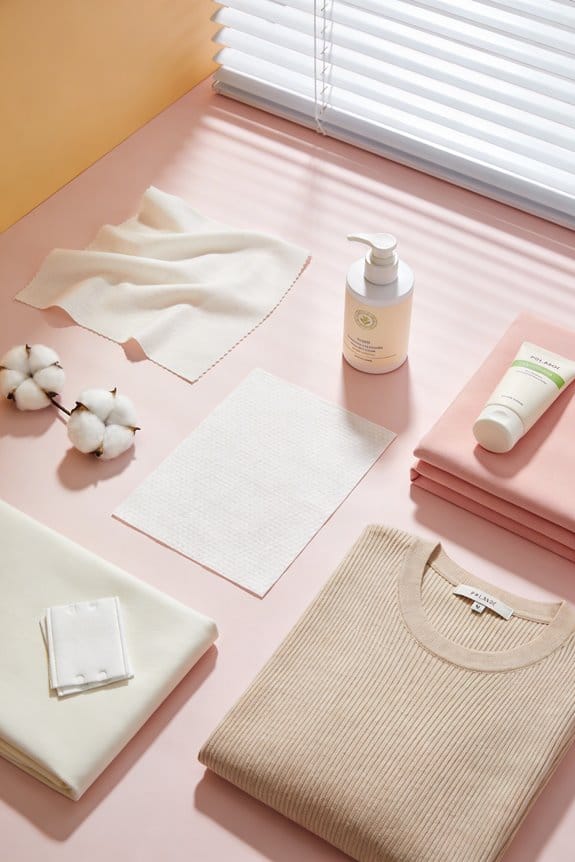

Organic cotton is a great choice for eczema-prone skin because it’s hypoallergenic and free from harsh chemicals. This means it minimizes irritation and reduces the risk of flare-ups. Additionally, its softness and breathability help keep the skin comfortable and dry, enhancing overall skin health. For example, families often notice improved sleep and fewer skin issues after switching to organic cotton products. If you want to understand more about why organic cotton is beneficial, keep exploring.
Key Takeaways
- Organic cotton is hypoallergenic, reducing the risk of skin irritation and allergic reactions common in eczema-prone individuals.
- Its softness minimizes friction, providing comfort for sensitive skin and helping to avoid flare-ups during daily activities.
- Grown without harmful chemicals, organic cotton eliminates potential irritants associated with conventional fabrics, supporting overall skin health.
- The fabric’s breathability helps regulate body temperature and moisture, creating a more conducive environment for eczema management during sleep.
- Valuable certifications like GOTS ensure the fabric’s safety and sustainability, making it a healthier choice for families with eczema concerns.
Why Organic Cotton Is a Game-Changer for Eczema Sufferers
When you’re dealing with eczema, finding the right materials for your clothes can make a big difference in comfort and health. Have you ever noticed how certain fabrics can irritate your skin? One fabric worth considering is 100% organic cotton. This fabric is grown without harmful pesticides or synthetic fertilizers, which cuts down on the irritants that can worsen eczema. Plus, it’s incredibly soft and breathable, which can help keep your body temp in check and minimize skin irritation.
If flare-ups are a concern, organic cotton can be a great choice. It’s hypoallergenic and doesn’t carry the toxic residues that conventional cotton might have. You might want to look for GOTS-certified organic cotton, as it meets strict standards for both the environment and your skin health.
Here’s the trick: organic cotton has natural moisture-wicking properties, meaning it helps keep you comfortable throughout the day. This is particularly important for anyone battling eczema. With all these benefits, it’s worth considering making the switch. Additionally, choosing fabrics certified by GOTS (Global Organic Textile Standard) ensures that the clothing is both safe and sustainably produced.
What Triggers Eczema, and How Can You Avoid Them?
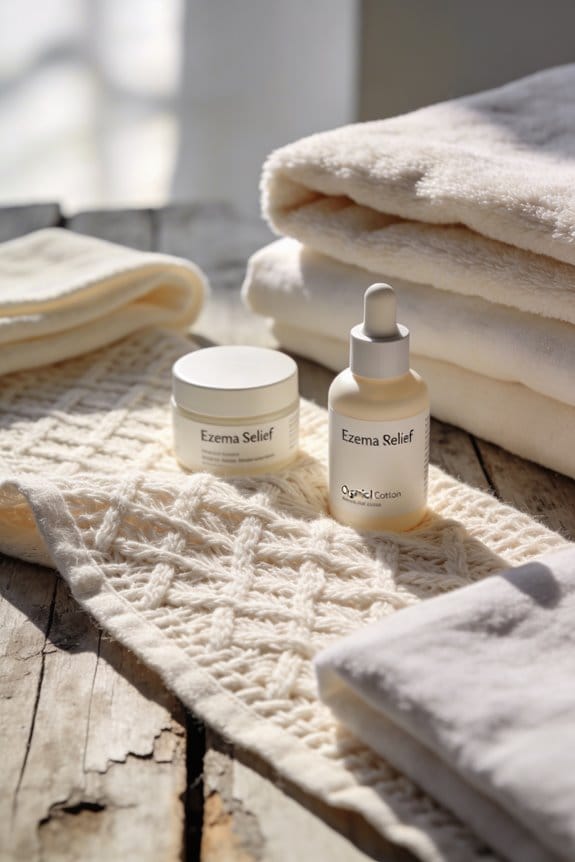
What could be triggering your eczema symptoms? It’s frustrating when your skin goes haywire due to things you can’t control. You might be surprised to learn that common culprits include environmental allergens like pollen, pet dander, and dust mites. To tackle this, keeping your home clean is key; regular vacuuming and dusting can make a real difference.
When it comes to what you wear, think twice about your fabric choices. Some materials—especially those with synthetic fibers or harsh chemicals—can really irritate your skin. Choosing clothing made from organic cotton can significantly reduce irritation for eczema-prone skin. And let’s not forget about stress; it’s a major player in the eczema game. Practicing some stress management techniques can help keep your skin from going wild.
Diet also plays a role. Certain foods like dairy or gluten might make your eczema flare up more. Keeping track of what you eat can shine a light on triggers you didn’t even know were there.
The Hypoallergenic Benefits of Organic Cotton Fabric
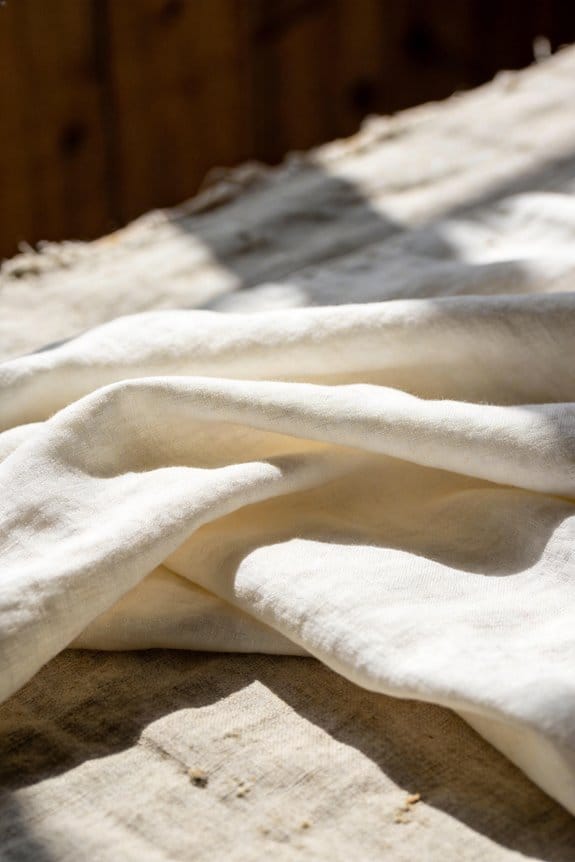
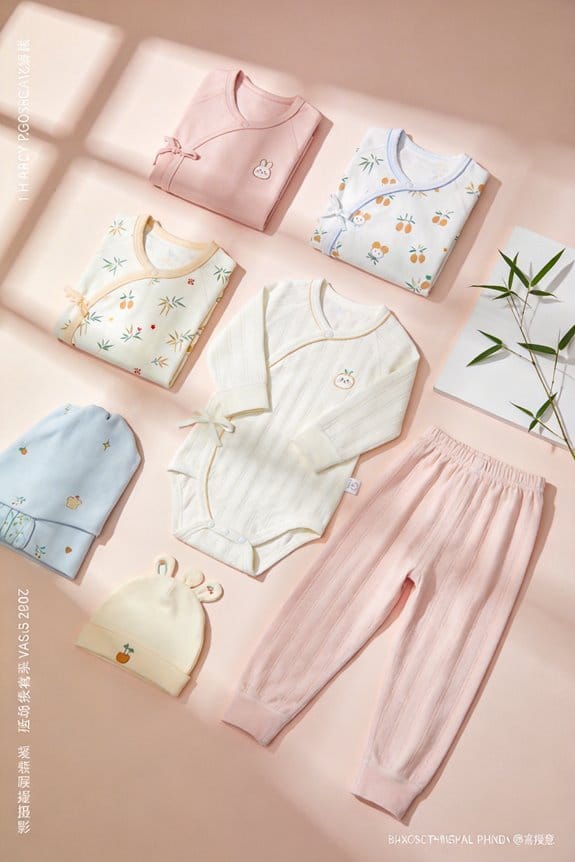
What do you do when your little one’s skin seems to be constantly irritated? For parents dealing with eczema-prone kids, finding the right clothing can feel overwhelming. Organic cotton has popped up more and more on my radar, and for good reason. It’s a hypoallergenic choice that’s gentle on sensitive skin, making it a great option for those kiddos who need extra care.
Here’s the deal: Conventional cotton is often treated with all sorts of pesticides and chemicals that can really aggravate delicate skin. Organic cotton, on the other hand, is grown without these irritating substances. This means there’s less chance of triggering allergic reactions or skin irritations. You might think, “Is it really that much better?” Well, the difference is significant. With organic cotton, you can also skip the harsh dyes and finishing agents, reducing the risk of nasty eczema flare-ups.
Try this: When shopping for clothes for your kids, check the labels. Look for organic cotton items to make sure you’re getting that extra layer of protection for their skin. According to the National Eczema Association, this natural fabric helps keep skin comfortable and healthy. So, not only are you dressing them in something soft, but you’re also supporting their overall well-being.
The best part is that choosing organic cotton isn’t just about health; it’s also about being mindful of the environment. You’re making a decision that’s better for the planet, too. Who wouldn’t want that? Many organic cotton products also carry GOTS certification, which guarantees adherence to strict environmental and social standards.
In the end, picking organic cotton for your children’s clothing is a thoughtful choice. It shows you care about their comfort as well as the world around them. It’s worth taking the time to consider what fabrics you choose. Have you thought about how much the clothes they wear could impact their skin?
Comfort and Breathability: How Organic Cotton Supports Skin Health
Finding comfortable clothing for kids with eczema-prone skin can feel like a never-ending struggle, right? Organic cotton comes to the rescue. This fabric is super soft and breathable, which means it’s less likely to irritate delicate skin. When your little one wears organic cotton, the chances of causing friction and discomfort are way lower, making a huge difference.
A couple of things make organic cotton a standout option. Its natural moisture-wicking ability keeps skin dry, helping to prevent those pesky flare-ups we all dread. Plus, since organic cotton is grown without harmful pesticides, there’s a reduced risk of triggering allergic reactions. You really want to keep the skin breathing freely, and organic cotton lets that happen.
Try this: next time you’re shopping for clothes, look for organic options. It’s not just about comfort; it’s also about peace of mind, knowing you’re choosing something better for your child’s health. Figuring out what’s best for their sensitive skin can make daily life a lot easier.
The best part is, you’re not only investing in your child’s comfort but also promoting their overall skin health. Honestly, who wouldn’t want that? So, the next time you’re in the clothing aisle, remember the advantages of organic cotton. It can be a thoughtful choice that really matters for your family. Have you tried making the switch?
Additionally, opting for bodysuits with GOTS certification ensures that the fabric is free from harmful chemicals, making it even safer for eczema-prone skin.
How Organic Cotton Is Healthier Than Conventional Cotton
Choosing the right fabric for your little ones can feel overwhelming, especially when it comes to their sensitive skin. Ever thought about how organic cotton stacks up against conventional cotton? It turns out there are some pretty solid reasons to consider making the switch.
When you pick organic cotton, you’re opting for materials that are grown without toxic chemicals. This is especially important if your child deals with sensitive skin or eczema. Conventional fabrics often come with synthetic pesticides and fertilizers, which can lead to irritation and discomfort. In contrast, organic cotton is softer and less likely to cause those itchy flare-ups.
Another plus? Organic cotton is usually dyed using gentler processes, avoiding harsh chemicals that can further irritate delicate skin. This is a huge benefit for kids, who often have skin that’s prone to rashes and reactions. You want your child comfy, right? By going organic, you’re helping to keep their skin happy, while also taking a small step toward protecting the planet.
Let’s talk details for a moment. Organic cotton is not just kinder to the environment; it’s also breathable and moisture-wicking. This means your kids can stay cooler in hot weather and won’t feel sweaty or uncomfortable. Honestly, with so many benefits, it makes sense to consider organic cotton for your kids’ clothes. Choosing fabrics with GOTS certification ensures both quality and that the clothes are free from harmful chemicals.
Why Organic Cotton Improves Sleep Quality
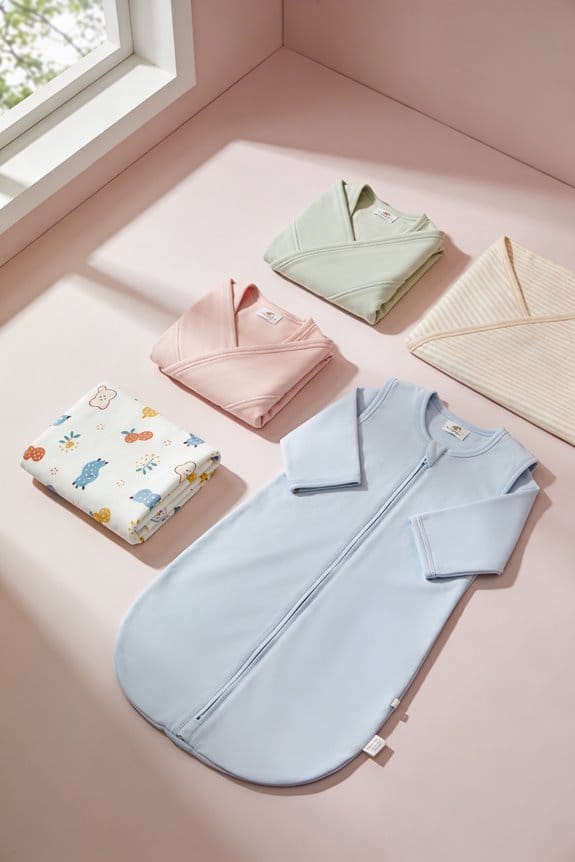
Have you ever noticed how hard it can be for kids with eczema to get a good night’s sleep? One of the biggest factors is the fabric of their bedding. That’s why choosing organic cotton makes so much sense. It’s hypoallergenic, which means it can help cut down on irritants and reduce the chance of skin flare-ups. When kids are comfortable, they sleep better.
Organic cotton is also super breathable, which is essential for temperature regulation. This lets air circulate, keeping your little ones cool and cozy throughout the night. Plus, the smooth texture of organic cotton bedsheets means there’s less friction against sensitive skin. This is especially important for kids who might wake up because of discomfort.
Honestly, opting for organic cotton bedding offers a gentler experience that helps keep skin dry and comfortable. Think about it: when kids sleep well, everyone has a better day. It allows them to rest without those pesky itches and irritations that come with other fabrics.
Many organic cotton products are certified by GOTS standards ensuring they are free from harmful chemicals and safe for sensitive skin.
If you’re wondering how to make bedtime easier, start with these sheets. You’ll create a soothing sleep haven that promotes better quality rest. Isn’t that a win-win? So why not give it a try and see how it helps?
The Eco-Benefits of Choosing Organic Cotton
You ever think about where your clothes come from? Choosing organic cotton for your family’s clothing and bedding can be a thoughtful way to do something good for not just your home but for the planet too. This cotton is often GOTS-certified, meaning it’s grown without harmful pesticides and uses significantly less water than regular cotton.
Here’s the kicker: by opting for organic cotton, you’re supporting farming practices that improve biodiversity and soil health. It’s kind of amazing how our choices can help protect nature. For instance, organic cotton cuts down on chemical runoff, which keeps our rivers and lakes safer for fish and other aquatic life.
Try this: look for products made from organic cotton next time you shop. Not only are you caring for your skin with better materials, but you’re also contributing to the health of the planet. Embracing organic cotton helps promote a circular economy, encouraging smarter choices and less waste in the long run.
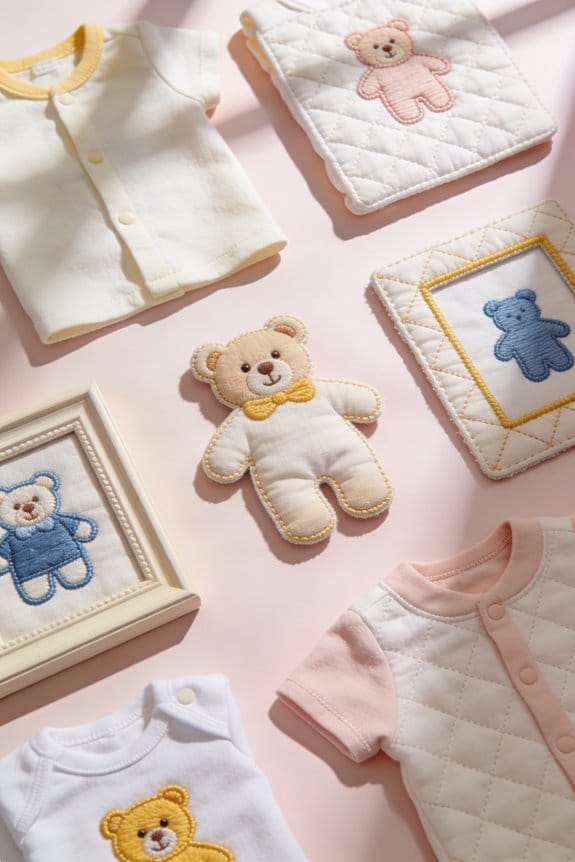
Frankly, it just makes sense to be more mindful about what we wear and use at home. So, why not make a small change that can lead to a big impact on future generations? In short, switching to organic cotton is a straightforward way to do your part. What steps will you take to create a more sustainable lifestyle? Many parents also appreciate the benefits of certified organic cotton for their babies’ sensitive skin and comfort, as organic cotton products are free from harmful chemicals and dyes, making them ideal for natural fibers in baby clothing.
How Can Organic Cotton Improve Your Sleep Experience?
Are you struggling to get a good night’s sleep, especially if you have eczema-prone skin? It might be time to consider the bedding you’re using. Organic cotton bedding is a fantastic choice for anyone looking to improve their sleep experience. This fabric does a great job of regulating body temperature, keeping you comfortable and dry all night long.
One of the standout benefits of organic cotton is that it’s hypoallergenic and free from harmful chemicals. This is a big deal for sensitive skin since it can help minimize irritants while you sleep. The natural breathability and moisture-wicking properties of organic cotton also promote airflow, which can help reduce the risk of flare-ups. Truth is, when you choose organic cotton, you’re creating a safer space for your skin, which can lead to more restful nights.
Plus, the softness of organic cotton can make your bed feel like a cozy haven. You’ll likely find that it enhances your overall sleep quality, supporting better recovery and well-being. Choosing chemical-free textiles ensures minimal skin irritation, making organic cotton especially suitable for delicate skin.
Real-Life Experiences: Stories From Eczema Patients Who Made the Switch
Dealing with a child’s eczema is tough, isn’t it? If you’ve been struggling to find solutions that actually work, consider switching to organic cotton. Many parents have shared that making this change significantly improved their kids’ sensitive skin.
Here’s the thing: organic cotton is free from harsh chemicals and toxins, which makes it gentler on irritated skin. For example, Sofia mentioned that once her daughter started wearing organic cotton clothes, she experienced fewer skin flare-ups and seemed much more comfortable overall. This isn’t just a one-off story—lots of families report similar experiences.
Now, why does this matter? Organic cotton doesn’t just reduce irritation; it also has moisture-wicking properties. It allows the skin to breathe better, which can really enhance overall skin health. If you’re looking for a simple yet effective way to help your little one feel more comfortable, considering organic cotton for their clothing and bedding might just be the answer.
In the end, prioritizing safety and comfort for our kids is what we all want. So, why not give organic cotton a shot? It could be just what you need to support your child’s well-being. What have you got to lose?
Certified organic cotton products often meet GOTS certification standards, ensuring they are made without harmful substances that can aggravate eczema.
Frequently Asked Questions
Does Organic Cotton Help With Eczema?
Yes, organic cotton benefits us by providing eczema skin relief. Its allergy-friendly materials make it a smart fabric choice, helping reduce flare-ups and irritation while ensuring comfort and breathability for sensitive skin.
What Is Best for Eczema on Toddlers?
For toddlers with eczema, we should explore natural remedies, topical treatments, moisturizing techniques, and gentle cleansing. Together, we can find the best combination that soothes their delicate skin and relieves discomfort effectively.
What Is the 3 Rule for Eczema?
The 3 Rule for eczema involves avoiding triggers, establishing skincare routines, and using effective moisturizing techniques. We should also explore natural remedies, always aiming to protect and soothe our skin while minimizing irritation.
What Is the Best Fabric for Eczema Sufferers?
When we think of soft fabrics caressing our skin, we understand breathable textiles like organic cotton and bamboo stand out. Hypoallergenic materials like these embrace us gently, offering comfort while reducing irritation for eczema sufferers.