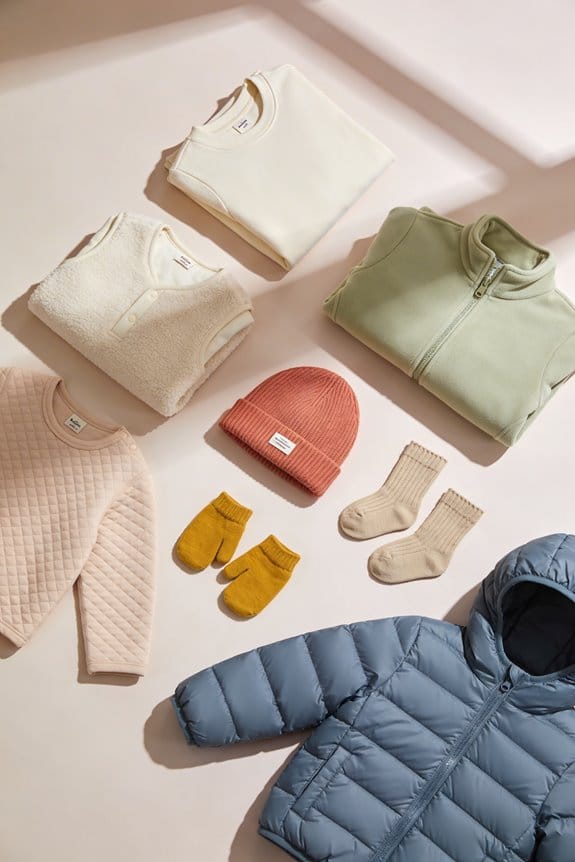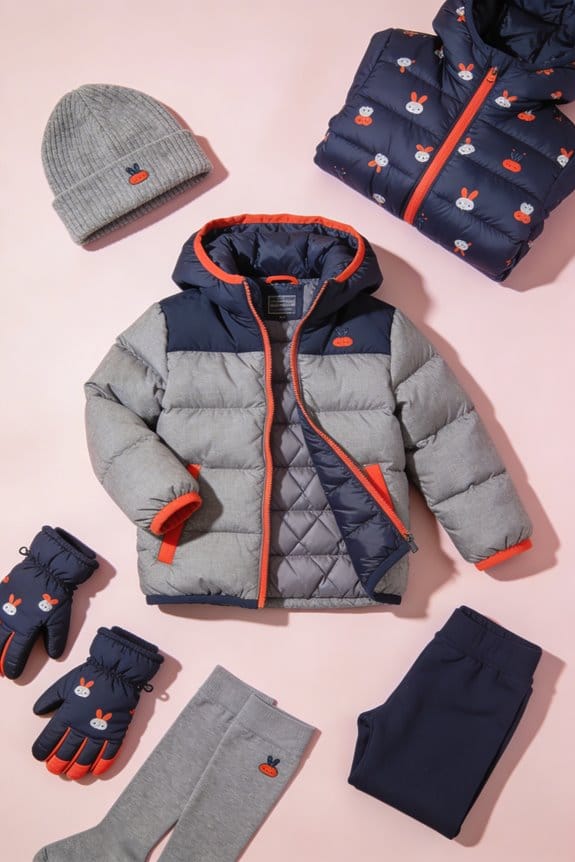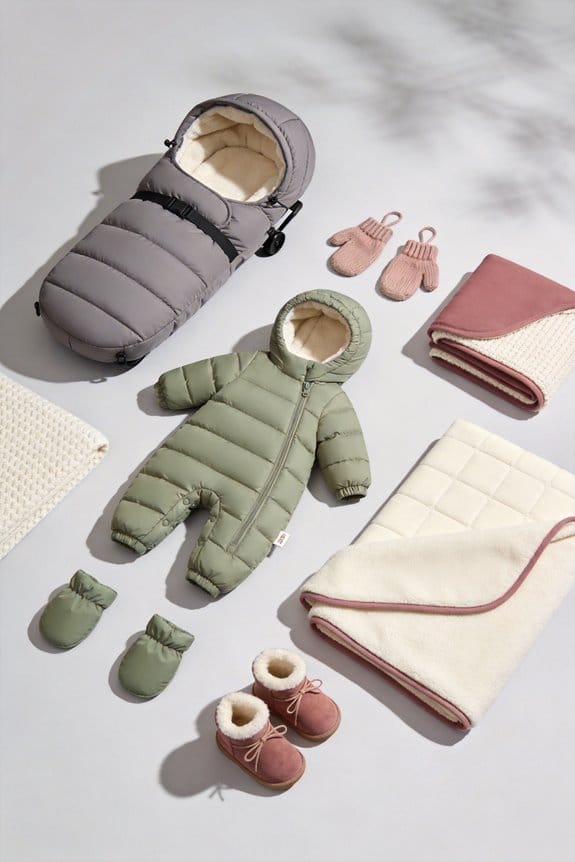
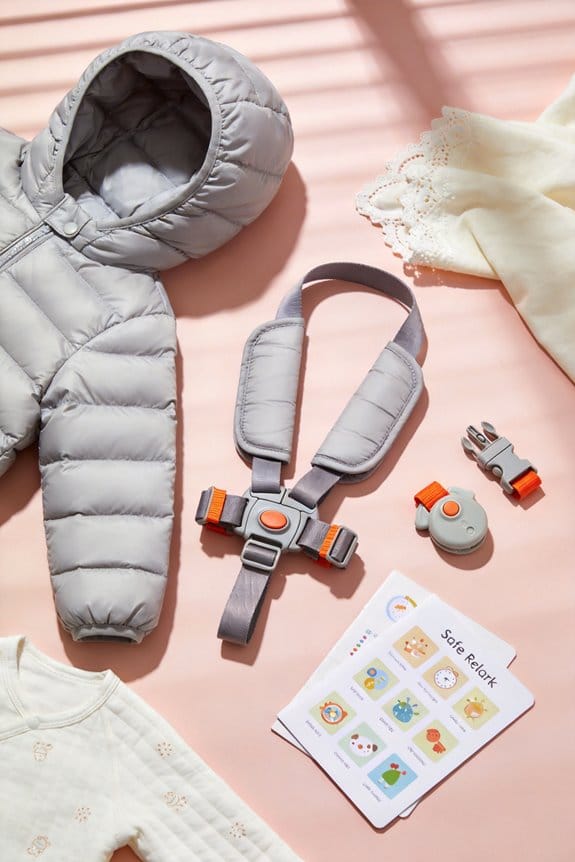

Puffy coats are dangerous in car seats because they create gaps that can loosen harnesses during a collision. This increases the risk of serious injury. It’s essential that we avoid dressing our children in bulky coats when buckling them in. Instead, we can use thin layers, lightweight blankets, or even have the child wear the coat backward over the harness for warmth. Understanding how to test the fit of the harness will keep our kids safer in winter travel situations. If we continue to explore this topic, we’ll find more effective tips for winter safety.
Key Takeaways
- Bulky coats compress during a collision, allowing harness straps to loosen and increase injury risk.
- A gap created by puffy coats may cause children to shift too far forward in a crash.
- Safety experts recommend removing coats before buckling children into car seats for a snug fit.
- Always check harness tightness using the pinch test to ensure no extra bulk exists at the shoulders.
- Overheating is a risk with bulky coats, and thin layers provide warmth without compromising safety.
The Hidden Dangers of Puffy Coats in Car Seats
Ever notice how cozy and warm a puffy coat feels on a chilly day? As tempting as it is to wrap your little ones up in those fluffy jackets, there’s a huge safety concern when it comes to their car seats. Puffy coats can create a dangerous gap between the child and the harness straps, which can spell trouble during a crash.
When a collision happens, the material of the coat squishes down, potentially loosening the harness and letting your child shift too far forward. This can lead to serious injuries. So, why does this matter? Because we all want to keep our kids safe on the road.
Here’s the trick: before you buckle them up, try removing that bulky coat. Instead, layer them in thin, warm clothes and use a blanket for extra comfort once they’re securely fastened in. It’s a simple strategy that can save lives.
Make it a habit to check the fit of the harness every time. A great way to do this is the “pinch test.” If you can pinch the harness straps, they’re too loose. Keep that snug fit for your child’s safety.
Truth is, keeping your child safe in a car seat is all about being proactive. So, the next time you’re heading out in winter weather, consider skipping the puffy coat. Your little one deserves that extra layer of protection. How do you ensure your child stays safe and warm during car rides?
Choosing the right size and fit for winter layers can help maintain warmth without compromising car seat safety.
Effective Solutions for Winter Dressing
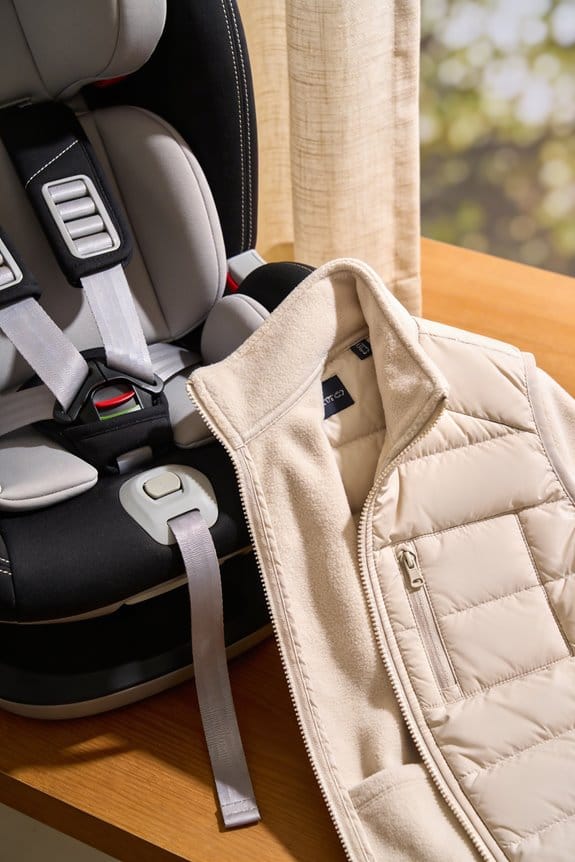
As the chilly weather rolls in, you might be wondering how to keep your little ones warm while also ensuring their safety in the car. Bulky winter coats can complicate things when it comes to properly securing them in their car seats. Instead of those puffy jackets, dress your kids in thin, warm layers—think fleece or Thinsulate. This not only helps keep them snug but also ensures their car seats fit correctly and provide the protection they need.
For your littlest ones riding rear-facing, here’s a simple trick: after you secure them in their seat, throw a lightweight blanket over them. This will keep them warm without messing with the safety of the harness. Older kids can wear their coats backward over the harness. This way, they’re cozy but still safely harnessed in.
Now let’s not forget about accessories! Don’t underestimate the value of hats, mittens, and snow pants, especially for those quick car trips. They’re essential for keeping the chill at bay—and they fit easily over layers. Choosing pajamas made from flame-resistant materials can also enhance overall safety during winter nights.
Testing Your Child’s Coat for Car Seat Compatibility
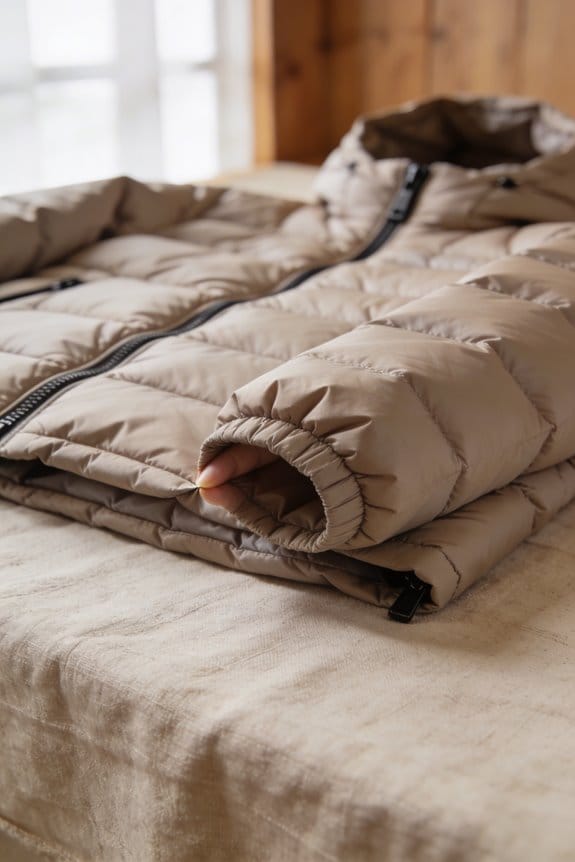
Ever found yourself wondering if your kid’s winter coat is safe to wear in their car seat? You’re not alone. It’s a chilly situation, but ensuring your child is snugly and safely strapped in is crucial.
To check the compatibility of their puffy coat, start by buckling them into the car seat while they’re wearing it. Next, tighten the harness until it passes the “pinch test.” What’s that? Simply see if you can pinch any of the webbing at the shoulders. If you can, it means the coat is too bulky for safe harnessing.
Here’s the trick: Without loosening the harness, take the coat off and re-buckle your child. This will give you a clear idea if there’s enough space for the harness without the coat’s bulk. If you can pinch the webbing now, it’s a sign that the coat doesn’t fit well with the car seat setup.
It’s important to perform this test regularly. Kids grow fast, and they often switch winter coats, so what fit before may not work now. The best part is that making sure the harness fits snugly can significantly reduce the risk of injury in case of an accident.
To maintain the safest environment, avoid bulky clothing and consider layers of breathable materials underneath for warmth without added bulk.
So, why does this matter? Winter coats may seem cozy and warm, but safety should always come first. Make it a habit to check the fit, and you’ll have peace of mind knowing your little one is as secure as possible during rides.
In short, checking your child’s coat against their car seat isn’t just a good idea—it’s essential. How often do you remember to test for fit with winter gear?
What to Use Instead of Bulky Winter Coats
Finding alternatives to bulky winter coats can feel daunting, especially when you need to keep those little ones warm and safe in their car seats. So, how do you balance warmth with safety? I’ve got some practical tips for you!
First off, consider swapping out that heavy coat for thinner, insulated layers. Materials like fleece or Thinsulate can do wonders! They’re warm without the bulk, which means you can still get a snug fit with the car seat harness. For infants in rear-facing seats, a lightweight blanket can work beautifully—just lay it over them after they’re buckled in.
Older kids can even wear their coats backward over their shoulders. It sounds silly, but trust me, it helps keep them warm while ensuring the harness fits correctly. And don’t overlook the power of accessories! Hats, mittens, and snow pants are great for providing extra warmth without adding extra bulk during quick trips.
Remember, it’s all about making sure that harness fits tightly against your child. With kids growing so quickly, you’ll want to check and adjust it regularly, too. Prioritizing soft, high-quality materials in your layering choices will enhance both comfort and safety during winter car rides.
Why a Snug Harness Is Key to Safety
When you’re strapping your little ones into their car seats, ever wonder why a snug harness is so crucial? A tightly fitted harness can make all the difference when it comes to keeping your child safe. There shouldn’t be any slack in those straps; they need to hug your child’s shoulders without pinching. This kind of snug fit means the kid won’t bounce around too much during a crash, which can seriously lower the risk of injury.
Try this: Make sure the chest clip sits at armpit level. It’s a small adjustment that goes a long way in enhancing harness effectiveness. And don’t forget, as your child grows, it’s super important to check and adjust the harness regularly. Loose straps? They actually increase the chances of serious injuries.
Frankly, one of the sneakiest culprits for a loose fit is those puffy winter coats. They add unnecessary bulk between your child and the straps. So, what can you do? Bundle them up in thin layers instead of those oversized coats. That way, you can guarantee that your child is snug and secure while on the road.
Wearing soft, breathable materials next to your child’s skin can also help maintain comfort and prevent irritation during travel.
In short, a snug harness is key to safety in car seats. Are you checking those straps often enough?
Preparing Your Child for Safe Winter Travel
Preparing your little ones for safe winter travel is more important than you might think, especially when it comes to dressing them for car rides. Ever noticed how puffy coats can make it tricky to buckle kids into their car seats? Before strapping them in, it’s crucial to take off those bulky jackets. A snug harness is vital for keeping your child safe in case of a crash.
To figure out if the coat is too thick, try this: buckle them in wearing the coat, then take the coat off without loosening the straps. If you can pinch the webbing, that means it’s not secure enough. Instead of those heavy coats, keep them warm with a thin blanket draped over them once they’re all buckled in.
What about older kids? They can be a little more creative! One effective trick is to have them wear their coat backward over the harness. It keeps them cozy and ensures they’re still safely secured. Honestly, it’s all about consistency here; practicing these strategies will make them second nature.
For everyday warmth outside the car, choosing coats with insulation materials like fleece can keep children cozy without the bulk that interferes with car seat safety.
Essential Car Seat Guidelines in Winter
Keeping your kids safe during winter car trips can feel like a juggling act. With all that bulky winter clothing, it’s crucial to pay attention to car seat guidelines so your child stays secure. Did you know that those cozy coats can actually create extra space between your child and the harness? When there’s extra room, it can increase the risk of injury during a crash. So, what can you do about it?
Here’s the trick: take off their winter coats before strapping them into the car seat. Once they’re snug in the seat, throw a warm blanket over them for some extra warmth. It’s a simple step that can make a big difference. You can also do a “pinch test” on the harness. If you can pinch the webbing after the coat is removed, that harness is too loose. Regularly checking the fit of the car seat is important, especially as kids grow—don’t skip this part!
For older kids, there’s another option. Try having them wear their coats backward over the harness. This way, you keep them warm without compromising that all-important safety. Honestly, small shifts like this can make a big impact. Additionally, understanding the risks of padded coats helps parents choose safer winter clothing options for car trips.
Avoiding Overheating Risks on the Road
Keeping kids warm in the car during winter drives can be a real challenge, can’t it? As parents, we want to make sure they’re cozy, but there’s also that lurking danger of overheating. Bulky winter coats, while perfect for frolicking in the snow, can actually cause issues when it comes to strapping them into their car seats properly.
So, what’s the best way to keep your little ones snug without risking safety? Try dressing them in thin, breathable layers. This way, if you can pinch a little fabric at the harness, you know it’s fitting just right. And don’t forget to check your child’s temperature every so often during the ride, especially if your car’s heater cranks out a lot of warmth.
You might want to keep the windows cracked for good ventilation or adjust their clothing as needed. It’s all about finding that sweet spot where they’re comfy but not too hot. Heat exhaustion can hit hard and fast, sometimes within just minutes.
Honestly, no parent wants to be in a situation where they have to deal with an overheating child. Keeping a close eye on how they feel in the car can really help. Remember, comfort and safety don’t have to compete; they can go hand in hand. Choosing breathable materials for your child’s clothing not only helps regulate temperature but also prevents skin irritation during long rides.
Resources for Best Practices in Car Seat Safety
When it comes to keeping your little ones safe in the car, knowing where to turn for reliable info can make a world of difference. Have you checked out the Children’s Wisconsin Car Seat Clinic? They offer free appointments for expert help with car seat installation. This kind of support means you’re getting the best advice to ensure your child is secure.
Another great resource is Car Seats Colorado. They’ve got tons of tips on safe practices that are especially useful, like dealing with winter coats. You might not realize it, but those bulky coats can create a dangerous situation by preventing the car seat from fitting properly. So, why does this matter? It all boils down to making sure your child is safe every time you hit the road.
Don’t forget to get involved in community safety events. These gatherings are perfect for brushing up on the latest guidelines for child passenger safety. Plus, they offer a chance to meet other parents who share your concerns.
Keep an eye out for regular updates from consumer safety organizations too. Staying in the loop means you can continuously improve your car seat knowledge and practices.
It’s important to dress your child in thin, breathable layers or appropriate apparel that doesn’t interfere with the car seat’s safety features, such as those found in all-weather baby suits.
At the end of the day, safe travel is something we all want for our kids. So, what steps will you take today to ensure your child’s car seat is properly installed?
Frequently Asked Questions
Why Are Puffy Jackets Dangerous in Car Seats?
When we think of winter safety, puffy jackets might seem cozy. However, they compromise car seat safety by causing harness slack. For the best protection, we should follow car seat regulations and opt for warmer, thinner layers.
How Puffy Is Too Puffy for a Car Seat?
When choosing a puffy coat for car seats, we should avoid excessive bulk. Instead, we can opt for safe winter wear like fleece layers and consider car seat accessories to guarantee our child’s safety during travel.
Why Can’t Kids Wear Winter Coats in Car Seats?
It is understood that winter coats can compromise car seat safety, leaving kids vulnerable. Instead of puffy coats, let’s embrace coat alternatives like thin layers. Keeping our little ones snug while ensuring their safety is the goal!
Can I Put a Puffer Jacket on My 4 Month Old Baby in a Car Seat?
No, we shouldn’t put a puffer jacket on our 4-month-old baby in a car seat. Following safety recommendations, we can use blanket layers instead of bulky baby winter gear for warmth and secure harness fit.