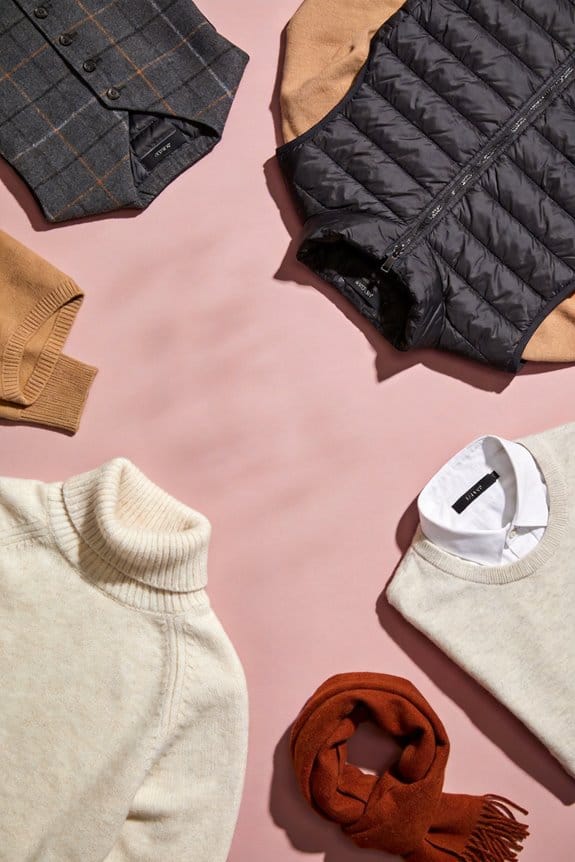

When we layer with vests, we can keep our core warm without excess bulk. It’s important to choose a vest with good insulation and a slightly loose fit for airflow. Select materials that wick moisture, like fleece or synthetic fabrics, to manage sweat. Layer a vest over a moisture-wicking base and under a breathable outer layer to maintain warmth and mobility. This approach is effective for outdoor activities. Let’s explore practical tips to enhance your layering strategy.
Key Takeaways
- Begin with a moisture-wicking base layer to manage sweat and keep your core dry throughout activities.
- Choose insulated vests made from down or synthetic materials for warmth without added bulk.
- Layer a vest over a lightweight mid-layer to enhance warmth while allowing for arm mobility.
- Opt for breathable fabrics and a slightly loose fit to promote airflow and comfort without overheating.
- Utilize zippered pockets in vests for practical storage, maintaining a streamlined look while outdoors.
Why Vest Layering Keeps You Cozy
When it gets chilly, a lot of us struggle with how to stay warm while still feeling free to move around. Vests are a solid option for keeping that warmth close to your core without sacrificing your arm mobility. Think about it: when you’re out and about, you want to stay cozy but also need to be able to reach and stretch. A lightweight insulated vest over a moisture-wicking base layer is a perfect combo. It keeps you warm without feeling weighed down, plus it helps manage heat and sweat as you get active.
What makes vests really great is their versatility. They can easily be paired with different mid-layers, which means you can adjust to whatever the temperature is doing. If it warms up during the day, you can still be comfortable without needing to overload on layers. Here’s the trick: keep your vest accessible for quick shifts in weather. You’ll stay comfy and look good doing it.
When it comes to outdoor adventures, vests can transition to everyday wear without skipping a beat. They balance style and function really well, making them a practical choice for anyone looking to stay cozy. One important consideration is the quality of insulation used in layering pieces, which can dramatically affect warmth retention without adding bulk.
So, why not give vest layering a try? It’s a simple way to tackle the cold while still enjoying the freedom to move. After all, comfort is key when you’re out there. What’s your go-to layering strategy for those chilly days?
Choose Your Vest Wisely: Insulation and Fit
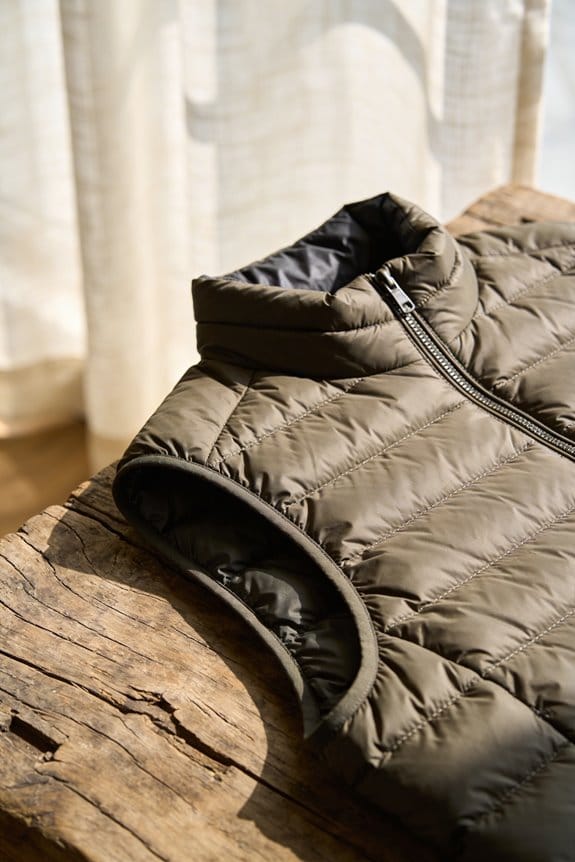
When you’re gearing up for outdoor adventures, picking the right vest can make all the difference. Have you ever felt chilly in the middle of a hike because your vest just wasn’t cutting it? Here’s a tip: synthetic insulation is the way to go. It keeps you warm without weighing you down, making it easier to layer over other clothes.
Fit matters too. A vest that’s slightly loose is perfect; it lets air flow while still keeping that precious warmth in. Don’t overlook features like moisture-wicking fabric either—it’s a lifesaver for keeping your core dry when you’re out there getting active. And let’s not forget about pockets! Zippered ones are practical for storing essentials and help you customize your fit.
So, why does this matter? Having the right vest should mean you can focus on enjoying the great outdoors instead of worrying about whether you’re warm enough. And one more thing: pick a vest that packs down easily. You want something that folds up nice and small in your backpack but won’t back down when it’s time to keep you warm.
Additionally, choosing materials with durable quick-dry technology ensures your vest stays comfortable and ready for action, even in wet conditions.
To recap, choose a vest with synthetic insulation, the right fit, moisture-wicking properties, and the ability to pack small. Have you found your perfect vest yet?
Select the Best Materials for Vest Layering
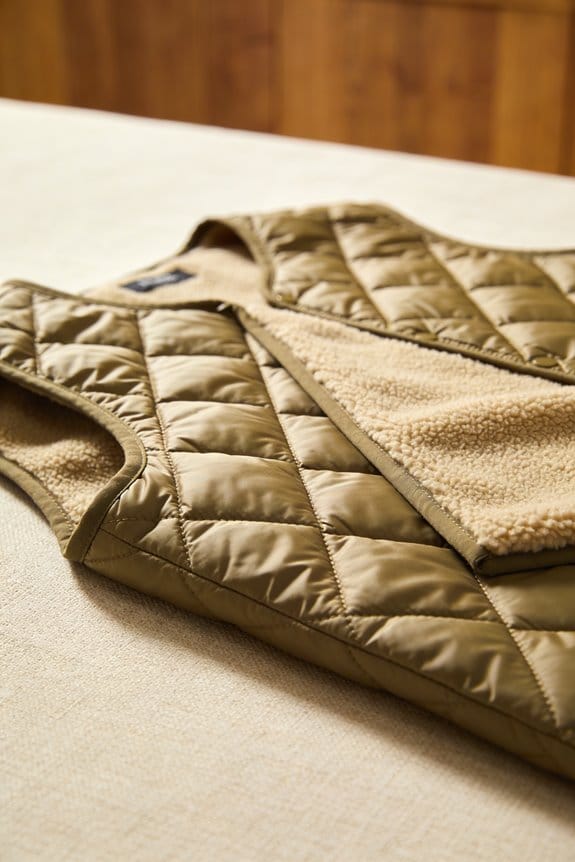
Selecting the right materials for vest layering can make a real difference in your comfort during outdoor adventures. Have you ever found yourself shivering in a jacket that just doesn’t hold the warmth? You’ll want to think about insulation options like down or synthetic fills. These not only keep you warm without adding weight but also avoid that bulky feeling that can be a drag when you’re out and about.
Lightweight fleece is another solid option. It’s breathable and does a great job retaining body heat. For the inner layer, go for moisture-wicking fabrics; they help manage sweat and keep your core dry, which is essential when you’re working up a sweat. And don’t forget about the outer materials! Try to pick vests with windproof and water-repellent features. This combo keeps your core protected from harsh weather while still allowing you the flexibility you need to move comfortably.
So, why does this matter? Because combining materials like wool or technical synthetics can give you that perfect mix of warmth, breathability, and freedom of movement. Choosing fabrics known for their durability and breathability ensures your layers last through frequent outdoor use and intense activity. Keeping these factors in mind will definitely make your outdoor experiences more enjoyable and comfortable.
In short, focus on insulation, breathability, and protection when choosing layers. What’s your go-to layering strategy for outdoor activities?
Layering Vests With Base and Outer Layers
Ever find yourself out in the cold and wishing you dressed differently? Layering vests with base and outer layers is key to staying warm and comfortable when you’re spending time outdoors.
Start with a moisture-wicking base layer. This isn’t just a fancy term—it’s all about managing sweat while keeping your body cozy. When your base layer works right, you won’t feel that sticky chill creeping in.
Next, go for an insulated vest made from materials like fleece or down. These options trap heat without adding a bunch of bulk. If it’s super cold out, that extra warmth can really make a difference in how you feel while being active.
Don’t forget to top it off with a breathable outer layer. A windproof shell or waterproof jacket can shield you from whatever Mother Nature throws your way. It’s all about having that versatility to adapt as the weather changes or as you ramp up your activity levels.
Additionally, choosing fabrics that provide breathable comfort will help prevent overheating and keep you feeling great throughout your activities.
So, why does this matter? Well, layering properly means you can keep the balance between warmth and mobility, which is crucial for enjoying your outdoor adventures. Remember, the best part is that you can easily add or remove layers based on how you’re feeling.
To wrap it up, layering vests with the right base and outer layers can really enhance your comfort outdoors. What’s your go-to combination for staying warm while being active?
Styling Your Vest: Function Meets Fashion
When it comes to styling your vest, it’s crucial to find that sweet spot between function and fashion. You want to feel comfortable while still looking polished, right? One tip is to pick tailored vests made from lightweight, moisture-wicking materials. They give you warmth without feeling bulky, which is key.
Try layering a vest over a fitted turtleneck or a collared shirt. It not only enhances your style but keeps your core warm, too. Think about the fit as well—look for adjustable features like cinched waistlines or zippers. These little details can make a big difference in how the vest looks on your body and match your personal style.
For a chic outfit, consider pairing your vest with long-sleeve shirts or lightweight sweaters. That combination really takes your look up a notch. So, why does this matter? Because practical layering is the secret to nailing that perfect blend of functionality and style. Choosing garments made from stretch materials ensures both durability and comfort during daily activities.
When Is a Vest Most Effective for Cold Weather?
When the temperatures drop, you might be wondering how to keep warm without feeling restricted. This is where a vest really comes into play. A good vest provides crucial warmth to your core while letting your arms move freely, which makes it perfect for activities like hiking or skiing.
Try this: Layer a vest over a base layer and a mid-layer. This combo helps you stay warm without overheating, especially if you’re going from chilly trails to more strenuous slopes. For insulation, look for vests made from down or synthetic materials — they trap your body heat without the extra bulk.
The best part is that if you choose styles that are windproof and water-repellent, you’ll get added protection from those damp, chilly days. So, why does this matter? A vest gives you flexibility in fluctuating temperatures, allowing you to adjust your outfit based on your activity level.
Honestly, when I head outdoors during colder months, a vest becomes one of my go-to layering pieces. It’s all about that perfect balance between warmth and mobility.
Additionally, selecting outerwear with weather resistance features like windproof and waterproof fabrics can significantly enhance comfort during cold and wet conditions.
Key Accessories to Enhance Your Vest Layering
Ever found yourself feeling cold while you’re out and about, even with a vest? Choosing the right accessories to layer with your vest can really make a difference in staying warm and comfortable during colder activities.
Consider adding a moisture-wicking neck gaiter. It keeps you warm without feeling bulky, so it’s perfect for that extra layer. Insulated gloves are another must-have; they keep your hands cozy while still allowing for movement. This little feature enhances the overall warmth you get from your vest, which is definitely a win.
Don’t overlook a merino wool hat or beanie either. It might seem simple, but keeping your head warm is crucial for your core temperature. After all, if you lose heat from your head, it can make a big impact on how cold you feel.
For your feet, moisture-wicking socks paired with insulated boots can keep them dry and comfortable. No one wants to deal with cold, soggy socks, right?
And if you really want to step it up, wrist warmers could be a fun addition. They help maintain body heat while adding a stylish touch to your outfit. So, why does all this matter? It’s about creating a comfy layering system that keeps you cozy on those chilly days.
Additionally, choosing the right layers made of breathable fabrics can help maintain comfort without overheating.
In short, the right accessories can really enhance your vest layering. What’s your go-to cold weather accessory?
Avoiding Common Mistakes in Vest Layering
Many people overlook how proper layering can make a big difference when it comes to vests. Have you ever found yourself feeling too restricted by a bulky base layer or mid-layer? It’s really easy to make that mistake. Instead, aim for fitted, moisture-wicking fabrics to keep things streamlined and functional.
Another classic misstep is layering a vest over a heavy outer jacket. This can create all sorts of unnecessary bulk and limit your movement. Vests shine brightest when paired with lighter, more versatile pieces.
Now, let’s talk about the benefits of incorporating your vest as part of a three-layer system. The great thing about using a vest as a mid-layer is that it effectively traps heat, while your outer layers can protect against wind. So, don’t skip this step if you want to stay warm without sacrificing comfort.
Choosing garments made from moisture-wicking fabrics ensures that you stay dry and retain heat efficiently during outdoor activities.
Tips for Maintaining Your Vest for Long-Lasting Use
Have you ever pulled out your favorite vest only to find it’s lost its shape or has some weird stains? Keeping your vest in top shape isn’t just about looking good; it’s about prolonging its life. You’ll want to start by regularly checking that care label for washing instructions. Trust me, sticking to those guidelines is key to keeping the insulation and fabric intact.
When it’s time to wash, consider using a mild detergent. It can make a world of difference! And definitely skip the fabric softeners; they can really mess with the vest’s moisture-wicking abilities. So, why does this matter? Simple—if your vest can’t handle sweat and moisture, it’s not doing its job.
Storage is just as important. Aim to keep your vest in a cool, dry spot, and avoid compressing it for long periods. You wouldn’t want it to lose its shape or insulation because it’s stuffed in a cramped space. If you spot any small tears, don’t wait—patch or repair them right away. Small fixes now can save you from bigger headaches later.
For drying, air drying is often the best way to maintain shape and fluffiness. However, if you prefer to use a dryer, keep it on a low-heat setting and toss in some dryer balls. This helps keep the bulk and fluffiness intact.
To help your vest maintain breathability and moisture regulation, choose fabrics similar to those used in lightweight comfort sleepwear.
In short, taking care of your vest isn’t tough, but it does require a little effort. So, next time you reach for it, think about how you can help it last longer. What’s your favorite method for keeping your gear in shape?
Frequently Asked Questions
How to Layer in Winter Without Looking Bulky?
To layer in winter without looking bulky, we should focus on fit and silhouette, choose versatile pieces and fabric choices, and play with color combinations. Stylish accessories can enhance our look while maintaining warmth.
What Is the 3-3-3 Rule for Clothes?
Oh, the 3-3-3 rule? It’s the holy grail of fashion basics! We layer three clothing pieces for perfect temperature regulation: a base layer, a middle layer, and an outer layer. Let’s elevate our seasonal styles with smart fabric choices!
How Can I Stay Warm Without Bulk?
To stay warm without bulk, we should embrace insulating materials and breathable fabrics in our outfit combinations. Choosing versatile vest styles and coordinating colors while keeping up with seasonal trends helps us achieve warmth stylishly.
What Is the 70/30 Wardrobe Rule?
The 70/30 wardrobe rule emphasizes a balance of versatile pieces and wardrobe essentials, creating a style foundation with 70% basics and 30% statement items. This mix guarantees outfit cohesion and effortless mix and match potential.