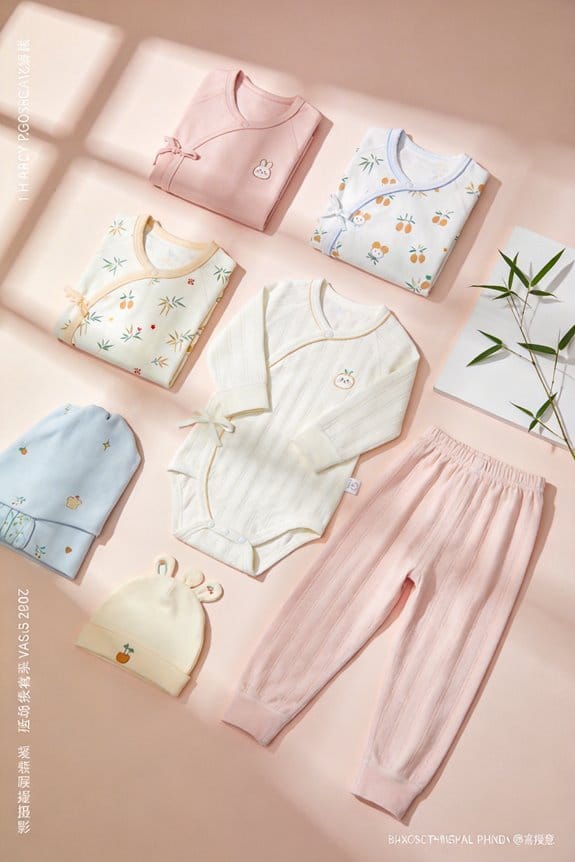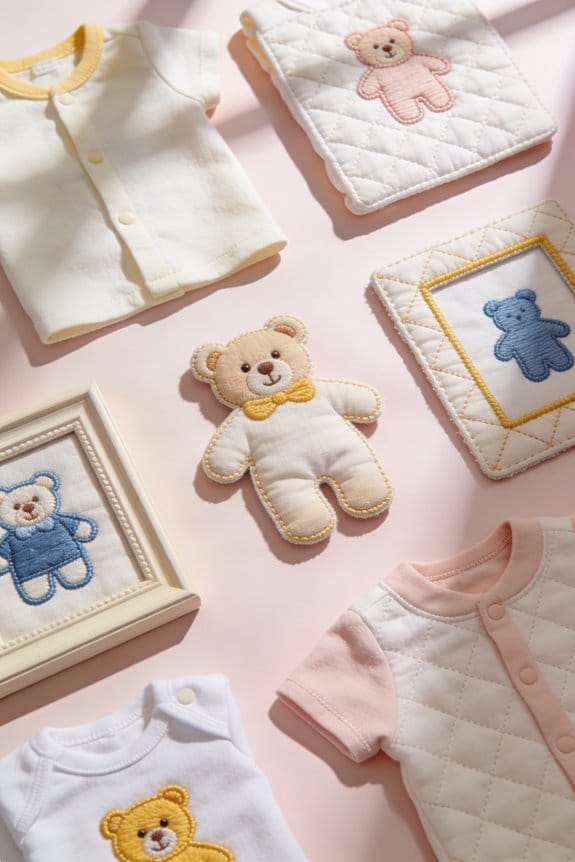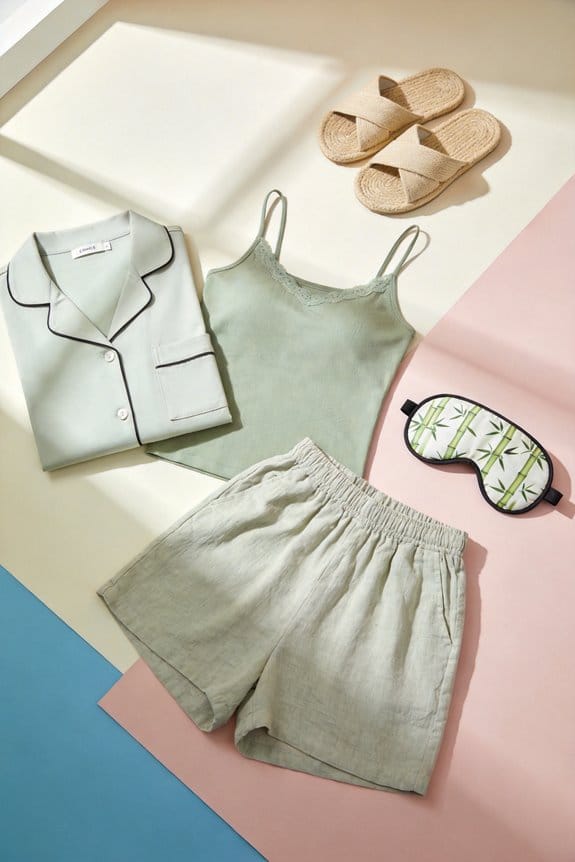
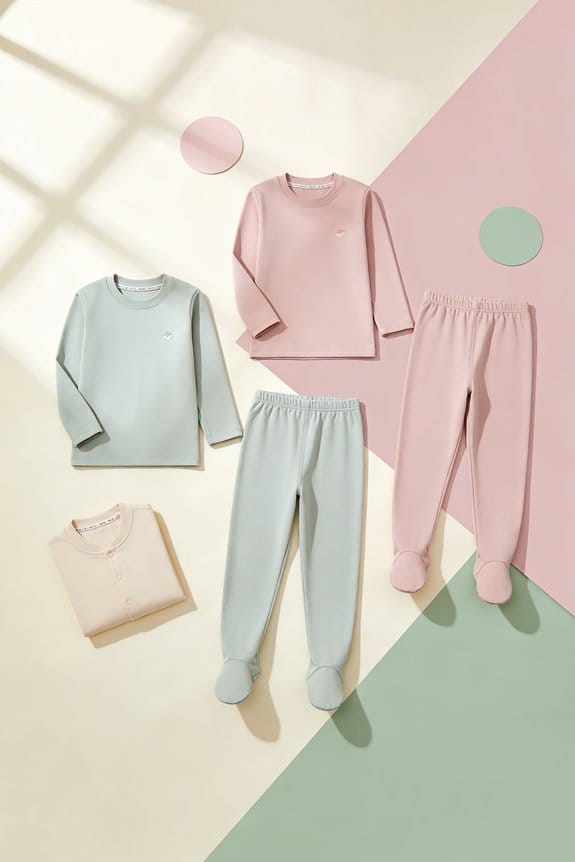

When deciding between footed pajamas and two-piece sets, we usually shift between 12 to 24 months. Look for signs like your child’s interest in dressing themselves or discomfort with the snug fit of footed pajamas. Often, increased mobility and potty training stages signal readiness for two-piece sets. Both options have their benefits, and combining them can help ease the change. Understanding these options will support your child’s comfort and independence. We’ll explore more about this shift next.
Key Takeaways
- Transition typically occurs between 12 to 24 months when children show signs of readiness for two-piece pajamas.
- Increased mobility and interest in self-dressing often signal the right time to switch from footed pajamas to two-piece sets.
- Combining both styles during the transition can ease the adjustment for children as they develop comfort preferences.
- Choose breathable fabrics that fit snugly without being too tight to ensure comfort during the transition.
- Monitor seasonal changes; footed pajamas are ideal for cold weather, while two-piece sets are suited for warmer nights.
Understanding Footed vs. Two-Piece Pajamas: What’s the Difference?
When it comes to picking pajamas for your little ones, have you ever wondered which style is best? Footed pajamas are a great choice for infants. They fit snugly and often come with fold-over mittens, which can be a lifesaver during those late-night diaper changes. But as your toddlers start hitting milestones, especially between 12 and 24 months, they get curious and want to dress themselves. That’s when two-piece pajama sets come into play.
So, what’s the difference? Here’s a quick rundown:
- Footed Pajamas: Perfect for keeping tiny feet warm, especially in cooler weather. They’re cozy and require no extra pieces.
- Two-Piece Sets: These are a bit more versatile. They let toddlers practice self-dressing, which is a big part of their development. Plus, they’re fantastic for potty training since they’re easier to shed quickly.
Both styles can be made from breathable materials like bamboo fabric. This ensures your kiddos stay comfortable while they sleep. Honestly, as your kids become more active and independent, you might find that the two-piece sets allow more freedom for movement.
It’s also important to consider features like easy zip closures which simplify diaper changes and enhance comfort for both parents and babies.
Ultimately, it comes down to what works best for your child’s needs and comfort. Do they need the warmth of footed pajamas, or are they ready to embrace the freedom that comes with two-piece sets? It’s all about finding that perfect balance for a good night’s sleep!
When Is the Right Time to Transition to Two-Piece Pajamas?
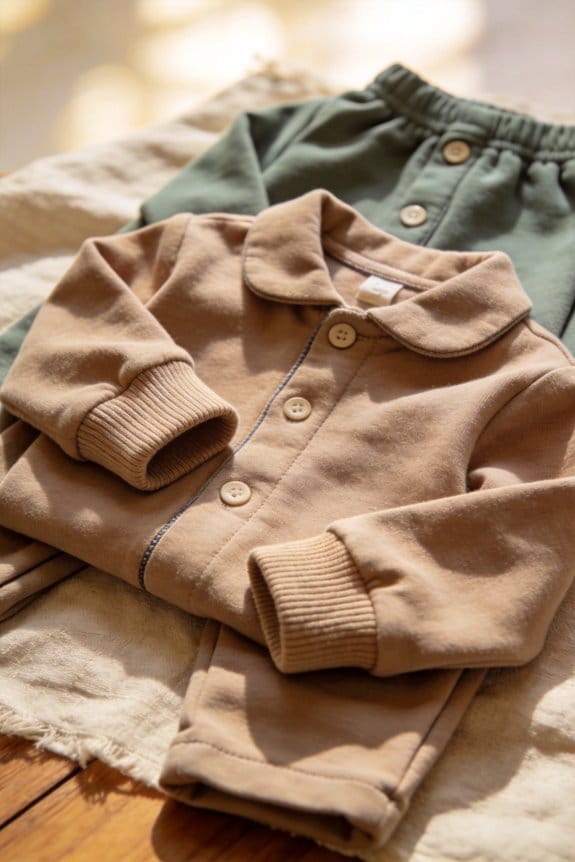
As your little one grows, you might start to wonder if it’s time to retire those cozy footed pajamas. The transition to two-piece sets usually happens between 12 and 24 months, and there are a few signs to look for to know when to make that change.
Are they showing more interest in putting on their clothes? That’s a big one! Kids love to feel independent, and if they’re eager to dress themselves, two-piece pajamas might just be the ticket. Plus, if you’re struggling through diaper changes or they’re ready to tackle potty training, these sets can make getting dressed and going to the bathroom easier.
You may notice they’re resisting the snug fit of those one-piece pajamas. It’s pretty common; kids grow quickly, and their comfort preferences evolve. Truth is, if your toddler is getting into standing or walking, they might need more flexibility in their bedtime wear.
Think about mixing it up. You don’t have to toss out the footed pajamas just yet! Using both styles can be a great way to ease into the change while still meeting their developmental needs.
Ultimately, you’ll know when it feels right. Keeping an eye on your toddler’s milestones can help guide you. So, does your child seem ready for a change in their nighttime wardrobe? Choosing sleepwear made from breathable fabrics ensures optimal comfort as they become more active.
How Mobility Impacts Pajama Choices
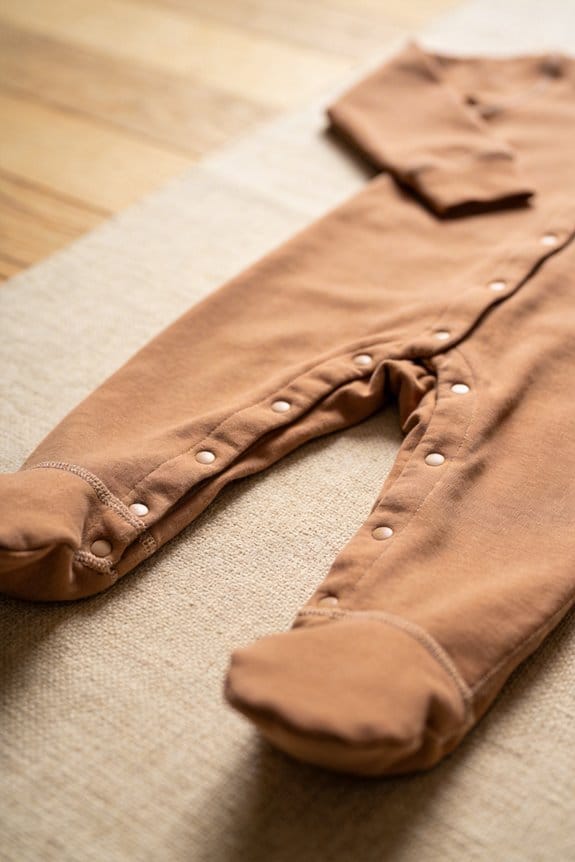
Choosing pajamas for your little ones can feel like an endless puzzle, especially when it comes to their mobility. As toddlers start crawling, walking, and climbing, their needs change quite a bit. Have you noticed that your active toddler seems to struggle in footed pajamas? Those snug fits can sometimes get in the way and even lead to a few tumbles on slick surfaces. Switching to two-piece sets can be a great solution here.
With two-piece pajamas, not only does your toddler have more freedom to move, but diaper changes become a breeze. This is especially helpful when they’re starting to show interest in potty training. You’ll find that when your child is more confident on their feet or starts resisting anything that feels too tight, it’s probably time to rethink those footed pajamas.
Comfort and safety are key. By choosing the right sleepwear, you’re setting your little ones up to thrive not just during play but also at bedtime.
So, as your child grows and becomes more adventurous, keep an eye on their cues. Are they eager to explore? Do they seem uncomfortable in their sleepwear? These signals can help you make the right call on what pajamas will be best for their comfort and safety.
Also, considering pajamas made from breathable materials can enhance comfort as your toddler becomes more active.
In the end, watching your child play and sleep more freely is the best reward. What changes have you made to their pajama choices recently?
How to Tell if Your Child Is Ready for Two-Piece Pajamas?
How can you tell if your child is ready to switch to two-piece pajamas? It’s a question many parents face as their little ones start to grow and change. You might notice that when your baby begins to walk confidently—usually around 9 to 15 months—it’s time to think about giving them a bit more freedom in their sleepwear.
Have you seen your child show interest in potty training after 18 months? Opting for two-piece pajamas with easy access can really make this transition smoother. Longer diaper changes can get tricky when your child is moving around more, and that’s another sign that it might be time for a change in pajamas.
You might also see signs of independence, like them wanting to dress themselves; that’s definitely a cue to consider a flexible fit. And let’s be honest—if your child starts resisting footed pajamas, that’s a pretty clear indicator they’re ready for something different.
Choosing pajamas made from soft, breathable materials will keep your child comfortable as they transition to new sleepwear styles.
Choosing the Right Fabric and Fit for Your Toddler’s Pajamas
Choosing the Right Fabric and Fit for Your Toddler’s Pajamas
Finding the right pajamas for your toddler can feel overwhelming, right? Comfort and safety should be at the top of your list. Breathable materials like bamboo are great choices because they help with moisture, keeping your little one at a comfy temperature.
When it comes to fit, think snug but not too tight. You want your toddler to feel secure, but they also need to be able to move freely. As they grow, consider switching from footies to two-piece pajamas; stretchy fabrics are perfect for adapting to their constant changes. Also, don’t overlook tagless designs. They prevent any irritation, which is a win for sensitive skin.
Here’s the trick: look for soft elastic waistbands. They make getting dressed a breeze and can help your toddler feel a bit more independent.
Additionally, choosing materials with moisture-wicking properties can enhance comfort by keeping skin dry throughout the night.
How to Adjust Pajama Sizes During Growth Spurts
As your little ones grow, figuring out when to adjust their pajama sizes can feel like a constant juggling act. Ever notice how quickly they seem to outgrow their clothes? During growth spurts, it’s important to keep an eye on their height and weight, since this can help you decide if it’s time for a size upgrade.
One-piece pajamas can be particularly snug, so check for a few key signs. Are they having trouble moving around? Is that elastic waistband digging into their skin? These can be clues that it’s time to go up a size. On the flip side, two-piece PJs offer a lot more flexibility. You can easily mix and match sizes, which is super handy when parts of their body grow at different rates.
When you’re shopping, consider fabrics that have a bit of stretch, like bamboo. These materials can accommodate a bit of growing without sacrificing comfort, which we all want at bedtime. And don’t forget to pay attention to those developmental milestones. Kids usually need a new size change every 3 to 6 months, so staying proactive about it means they’ll always have comfortable sleepwear.
Keeping tabs on their pajamas isn’t just about size, it’s also about ensuring they sleep safely. You want them to be cozy and unrestricted, and nothing interrupts a good night’s sleep like uncomfortable sleepwear. Choosing pajamas that meet safety standards helps ensure your child’s comfort and well-being throughout their growth.
Tips for a Smooth Transition to Two-Piece Pajamas
Is your little one still clinging to those cozy footed pajamas? Transitioning to two-piece pajamas can feel a bit daunting, but it doesn’t have to be! Start by introducing the new style during naptime. This way, your child can get used to the idea without the pressure of bedtime.
Letting your child choose their favorite prints can really spark excitement. I can’t tell you how much it means to them when they feel they have a say in what they wear to bed. It’s all about giving them a sense of ownership in the process.
Keeping a consistent bedtime routine is so important, too. It brings comfort and reassurance, making the whole experience smoother. And honestly, opting for stretchy, super-soft fabrics like bamboo can make those two-piece sets just as comfy as the footed ones.
As the seasons change or your child’s preferences shift, don’t hesitate to mix things up a bit. Alternating between styles could help ease the transition. Also, choosing sleepwear made from breathable materials can help maintain comfort and safety during sleep. So, why stress about it all? With a little patience and some clear choices, you’ll find this change can be a positive experience for everyone involved.
In the end, what matters most is that your child feels comfortable and happy in their pajamas. Have you tried any special tips for making this switch easier?
Can You Use Both Styles? The Benefits of Alternating Pajama Sets?
Mixing footed pajamas with two-piece sets can really help when you’re trying to navigate your child’s bedtime routine. Alternating sleepwear styles not only keeps things interesting but also makes it easier for your little one to adjust as the seasons change. Footed pajamas are fantastic for those chilly nights, providing warmth and full coverage. On the other hand, two-piece sets encourage mobility and allow toddlers to practice dressing themselves—after all, independence is key at this age!
So, why does this matter? Well, it gives your child the comfort of snuggling into cozy footed pajamas when it’s cold outside, while also letting them enjoy the freedom of two-piece sets when they’re ready to play or get comfortable on warmer nights. Plus, every child is different—some may cling to that cozy feel of footed pajamas, while others may be eager to strut in their two-piece ensemble.
Here’s a little trick: pay attention to your child’s preferences. If they seem to love the snuggly vibe of footed sleepwear, go for it! But if they’re jumping at the chance to pick out their two-piece sets, encourage that independence. Balancing these styles creates a bedtime routine that not only caters to comfort but also supports your child’s growth and adaptability. Choosing pajamas made from breathable fabrics with temperature regulation can further enhance your child’s comfort throughout the night.
Frequently Asked Questions
When to Switch Baby to Two Piece Pajamas?
It’s clear it’s time to switch to two-piece pajamas when our baby hits milestones, grows, or needs easier diapering. Consider footie comfort, seasonal changes, and temperature regulation for sleep safety and fabric preferences, ensuring parental convenience.
When to Switch Baby Out of Footie Pajamas?
When it comes to switching from footie pajamas, we should keep an eye on growth milestones and movement freedom. Change signs like increased mobility, sleep temperature, and easy diapering can guide our fabric choices.
Are Newborn and 0 to 3 Months the Same Size?
Newborn sizes and 0 to 3 months aren’t the same. Growth spurts lead to size differences based on infant measurements, so we should consider clothing flexibility and fabric choices for our baby’s development and comfort.
Why Are Gen Z Wearing Pajamas?
Gen Z’s wearing pajamas for their cozy aesthetics and self-expression. This pajama fashion reflects comfort culture, blending vintage influence with loungewear rise, TikTok styles, and gender neutral designs, making sleepwear trends a versatile daily choice.