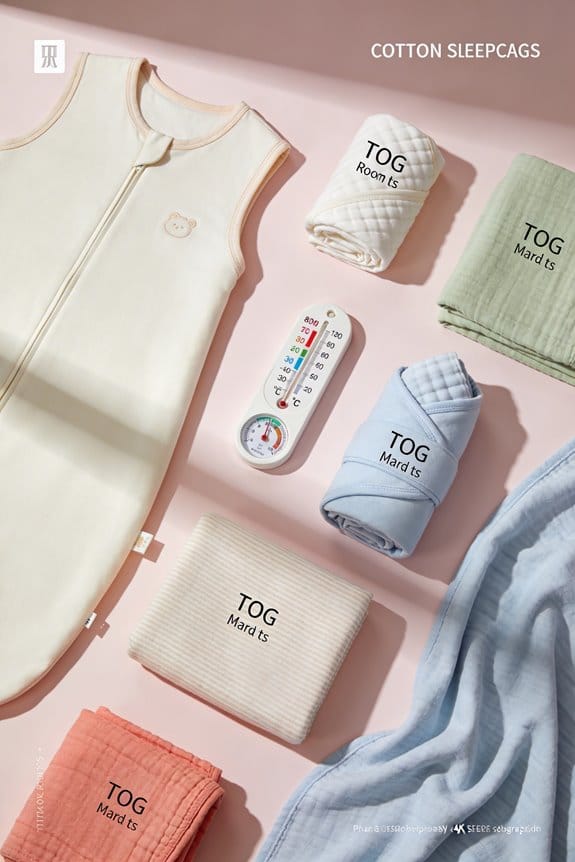

Understanding TOG ratings is essential for dressing our babies for sleep. TOG, or Thermal Overall Grade, helps us choose sleepwear based on room temperature. For instance, a 1.0 TOG is great for rooms between 68°F and 75°F. We should check our baby’s temperature by feeling their chest; if they’re warm or sweating, they may be too hot. By adjusting layers and using the right TOG ratings, we create a comfortable sleep environment. More details follow.
Key Takeaways
- TOG ratings measure sleep garment warmth, with higher ratings suitable for cooler room temperatures and specific recommendations for different ranges.
- Use a TOG chart to match room temperature with sleepwear; for example, 1.0 TOG for 68°F to 75°F rooms.
- Regularly check your baby’s temperature by feeling their chest or neck, watching for signs of overheating or coldness.
- Implement sleep sacks for safety and comfort, avoiding loose bedding while ensuring a proper fit for your baby.
- Choose breathable fabrics and adjust layers as needed to maintain a cozy sleep environment and prevent overheating.
What Is a TOG Rating and Why Does It Matter for Baby Sleep?
When it comes to getting your baby ready for sleep, figuring out TOG ratings can feel a bit overwhelming. Ever wonder what TOG really means? Well, it stands for Thermal Overall Grade, and it’s basically a way to measure how warm a sleep sack is. The higher the TOG rating, the thicker the fabric—perfect for cooler rooms.
For instance, a TOG rating of 1.0 is just right for rooms that sit between 68°F and 75°F. Choosing the right sleepwear matters—a lot. Overheating is a serious concern and can elevate the risk of SIDS. So, what do you do? Alongside paying attention to TOG ratings, make sure to touch your baby’s skin to check if they’re cozy without getting too warm.
Here’s a tip: If you’re unsure about the temperature setting, consider dressing your little one in lighter materials and layering if needed. It’s all about keeping them snug but comfortable. You’ll want to find that sweet spot, where they’re cozy enough to drift off without any worries.
In short, understanding TOG ratings and checking your baby’s temperature through touch are key steps in ensuring they sleep safely and soundly. Choosing sleep sacks made from breathable, skin-friendly materials helps maintain a comfortable temperature throughout the night. Are you ready to make sure your baby’s sleep environment is just right?
How to Choose the Right TOG for Your Baby’s Room?
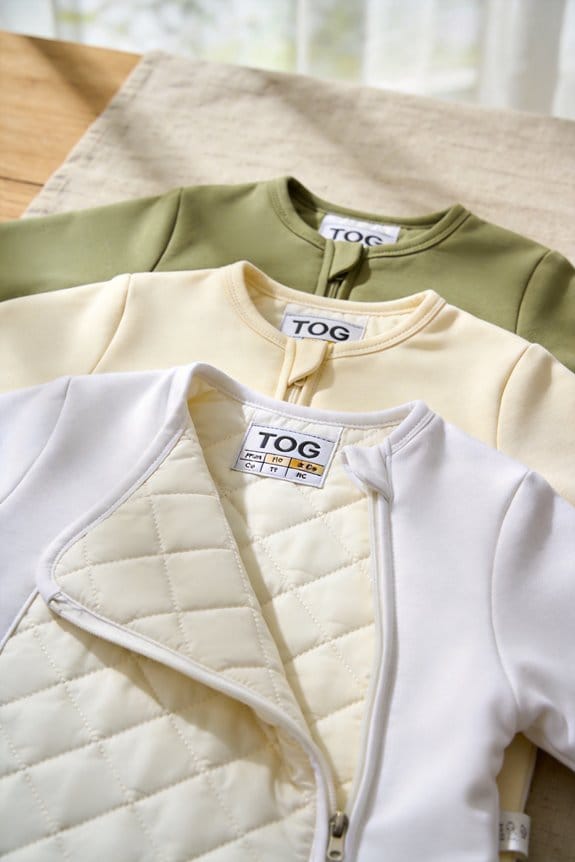
How can you make sure your baby’s sleep environment is just right with the right TOG rating? First off, check the room temperature. You can use a TOG chart to find what rating fits best. For example, if the room’s between 75°F and 81°F, a 0.2 TOG garment is perfect. If it’s cooler and falls between 68°F and 75°F, aim for a 1.0 TOG rating.
So, why does this matter? The key is keeping your baby comfortable while reducing the risk of SIDS. If the temperature drops further, like 64°F to 72°F, a 1.5 TOG might be the way to go. For rooms that are below 61°F, consider a 3.5 TOG to keep your little one warm.
Don’t forget to dress your baby properly. A cozy swaddle can make all the difference for restful sleep. It’s all about creating that snug environment. Choosing swaddles made of breathable, hypoallergenic natural fibers can also help regulate temperature and prevent overheating.
In short, by understanding the TOG ratings and matching them to your room’s temperature, you’re setting the stage for a peaceful night’s sleep. What’s your go-to tip for keeping your baby comfy at night?
Understanding the TOG Temperature Chart for Baby Sleepwear
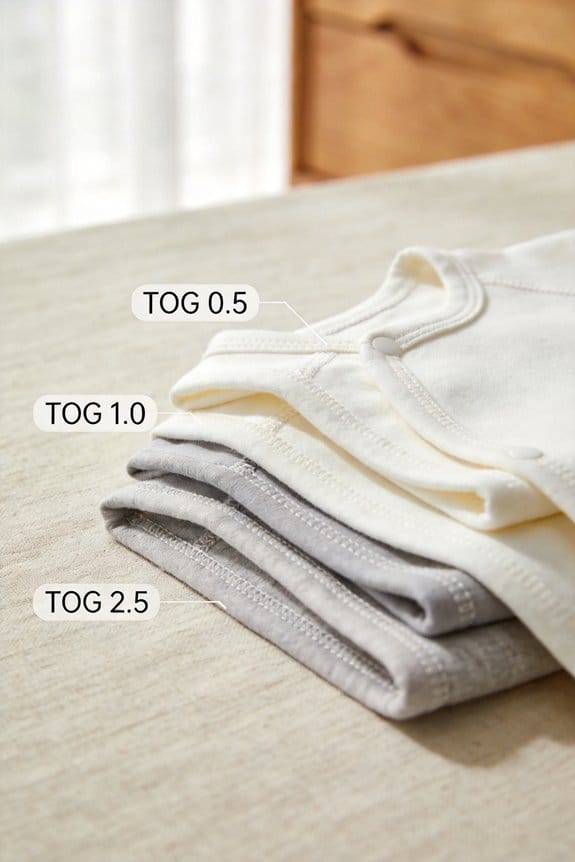
How many times have you wondered if your little one is too hot or too cold at night? It’s a common worry for parents trying to figure out the right sleepwear for their baby. Understanding the TOG temperature chart for baby sleepwear can help you tackle this concern.
TOG ratings are basically a way to measure how warm or cool a sleep garment will keep your baby. Here’s the scoop: when the room temperature is between 68°F and 75°F, a sleep sack or swaddle with a 1.0 TOG is a solid choice. If temperatures drop below 61°F, you might want to grab something warmer with a 3.5 TOG. So, why does this matter? Choosing the right TOG can help prevent your baby from overheating, which is something we all want to avoid.
When dressing your baby for sleep, take a moment to assess their sleep environment. Check the room’s temperature, and feel how warm or cool it is before making a decision. It might be helpful to have a few options on hand. For instance:
- A lightweight sleep sack for warmer nights.
- A cozy swaddle for chilly evenings.
- A mid-range TOG for those in-between temperatures.
Honestly, understanding this chart isn’t just about comfort; it’s also about safety. A too-hot baby can lead to restless nights and even overheating risks. Remember, your baby’s sleep setup is just as important as the softest pajamas you can find.
In a nutshell, knowing the TOG temperature chart is key to making sleep more peaceful for your baby. So, what’s your go-to sleepwear for your little one during different seasons?
How to Tell If Your Baby Is Too Hot or Cold at Night?
Wondering if your baby is too hot or cold at night? It can be tough to figure out the right temperature for your little one while they sleep. The easiest way to check is by gently feeling their chest or the back of their neck. If their skin feels warm or they’re starting to sweat, odds are they might be overheating.
Keeping the room temp between 68°F to 72°F is a safe bet for sleep. If your baby’s hands and feet are chilly, or if you notice signs of shivering and fussiness, they might be a bit too cold. So, what’s the solution? Dressing your baby in layers is key. Here’s the trick: aim for one extra layer than what feels comfortable for you in lighter clothing. Plus, always pay attention to the fabric you’re using to reduce the risk of overheating.
It really helps to think about TOG ratings when selecting sleepwear. You want to be sure their clothing isn’t too thick or heavy, and breathable fabrics can really make a difference. Honestly, it’s all about keeping your baby cozy without going overboard.
In short, monitor their temperature, dress them appropriately, and adjust the room environment as needed. You want your baby sleeping soundly, right? How do you keep your little one comfy at night? Using clothing with certified safety features can also provide extra peace of mind when choosing fabrics for your baby.
Best Sleepwear Choices per TOG Rating for Your Baby’s Comfort
Selecting the right sleepwear for your baby can really impact their comfort and safety at night. If the room’s sitting between 75°F and 81°F, try sleepwear with a TOG rating of 0.2. This helps keep your little one cool when they’re sleeping.
Now, when the temperature dips a bit to around 68°F to 75°F, you’re going to want to switch it up to a 1.0 TOG rating. A short-sleeve onesie or a light baby sleep sack works perfectly for those temperatures. Honestly, those lighter options are a real lifesaver for keeping baby comfy without overheating.
Things start getting cooler from 64°F to 72°F, and you’ll want to reach for something with a 1.5 TOG rating, like a long-sleeve onesie. This keeps your baby cozy while also ensuring they’re safe throughout the night.
So, why does this matter? During those cooler nights, between 61°F and 68°F, it’s best to go for a 2.5 TOG for proper insulation. And if the temperature drops below 61°F, you’ll want to opt for a 3.5 TOG rating to keep your baby snug and safe. Choosing sleepwear made from 100% cotton fabric helps maintain breathability and comfort throughout the night.
Frequently Asked Questions About Baby Sleepwear
When you’re trying to figure out how to dress your little one for bedtime, it can feel overwhelming. You want them to be comfy but safe, right? That’s where TOG ratings come in handy. They’re a simple way to pick the right sleepwear based on the temperature in your baby’s room. For instance, a 0.5 TOG works well when it’s warm, while a 3.5 TOG is better for those cooler nights.
Here’s the trick: dressing your baby in layers helps you adjust to changing temperatures throughout the night. It’s all about finding that sweet spot where they’re cozy and not too hot. If you’re worried about overheating—a serious risk for SIDS—just check their chest or neck. If they feel sweaty or hot to the touch, it’s time to lighten up their layers.
Using a sleep sack can be a great option, but you’ll want to ensure it fits correctly. A proper fit prevents any slipping that could lead to unsafe situations. Honestly, it’s worth taking the time to get it right for the sake of peace of mind. Choosing breathable, safety-certified materials also helps reduce overheating risks and keeps your baby comfortable throughout the night.
Best Practices for Safe Baby Sleep Environments Using TOG Ratings
Creating a safe sleep environment for your baby can be tricky, right? Understanding TOG ratings can really simplify things. Overheating is a big concern and can increase the risk of Sudden Infant Death Syndrome, so picking the right sleepwear is crucial.
For rooms around 75°F, you’ll want to look for a sleep sack with a TOG rating of 0.2. If it’s cooler, say below 61°F, you’ll need something more like a 3.5 TOG. Instead of piling on multiple layers, focus on one high-quality fabric or garment. This will help keep your baby’s core temperature right between 36.5°C and 37.5°C, which is ideal.
Keep an eye on your little one for signs of overheating or feeling chilly. It’s the best way to ensure they’re safe and comfortable while they snooze. So, why does this matter? Because a good sleep environment can lead to better sleep for both you and your baby!
Additionally, choosing a sleep sack with an appropriate Tog rating helps maintain optimal thermal insulation based on room temperature.
To sum it up, knowing TOG ratings and regularly checking on your baby will make bedtime a lot less stressful. What tips do you have for creating a cozy sleep space for your baby?
Frequently Asked Questions
Can I Use TOG Ratings for Toddler Sleepwear Too?
Yes, we can use TOG ratings for toddler sleepwear too! They help us guarantee our little ones’ bedtime comfort and temperature regulation, taking seasonal changes, fabric breathability, and sleep safety into account. Age considerations matter too!
How Does TOG Affect Baby Sleep Quality?
It is understood TOG ratings greatly influence our baby’s sleep quality. By ensuring good temperature regulation and breathable fabrics, we can enhance sleep cycle duration and align seasonal adjustments with safe sleep practices during nighttime routines and mattress choices.
Are TOG Ratings Universal Across All Brands?
Tog rating variations aren’t universal; each brand may differ in temperature control and fabric differences. We should consider sleep sack options, seasonal considerations, and safety standards while referring to consumer recommendations and product testing for baby sleep needs.
How Often Should I Check My Baby’s Temperature During the Night?
In the peaceful hush of night, we should check our baby’s temperature every few hours. A cozy swaddle’s warmth, combined with smart bedding choices and sleepwear fabrics, helps guarantee their comfort levels remain just right.
Can I Layer Clothing Under a Swaddle With a High TOG Rating?
Yes, we can layer clothing under a high TOG-rated swaddle, ensuring we choose the right fabric types for temperature regulation. We should prioritize nightwear comfort and adjust layers based on seasonal changes for swaddle safety.