
When we choose sleepwear for sensitive skin, cotton is generally the safer option over fleece. Cotton is breathable, moisture-wicking, and gentle against the skin, minimizing the risk of irritation. On the other hand, fleece can trap heat and moisture, which may worsen skin sensitivities like eczema. To protect skin health, select light cotton pajamas for warmer months and breathable layers for colder seasons. By understanding these differences, we’ll make better choices for our comfort and wellbeing. More insights await.
Key Takeaways
- Cotton sleepwear is breathable, reduces moisture retention, and promotes comfort, making it ideal for sensitive skin.
- Fleece sleepwear traps heat and moisture, potentially worsening skin sensitivities like eczema and causing discomfort.
- Organic cotton options are hypoallergenic and free from harmful chemicals, further supporting skin health.
- Breathable pajamas help minimize friction-related irritation, which is essential for sensitive skin during sleep.
- Regular maintenance, such as washing with gentle detergents, is vital to preserve sleepwear quality and minimize potential skin irritants.
Comparing Cotton and Fleece: Which Is Best for Sensitive Skin?
When choosing sleepwear, do you ever wonder which is better for sensitive skin: cotton or fleece? You might want to lean towards cotton. This natural fabric is breathable and helps regulate your body temperature, which makes it a top pick for those dealing with skin sensitivities. Plus, cotton has moisture-wicking properties that can help reduce irritation and discomfort throughout the night.
Now, let’s talk about fleece. Made from synthetic polyester, it can hold onto heat and moisture. For anyone with sensitive skin or conditions like eczema, this could lead to some pretty uncomfortable nights. The last thing you want is to wake up with irritation or breakouts after tossing and turning.
Here’s the trick: opt for soft, pure cotton whenever you can. It’s a simple swap that can significantly lower your chances of experiencing skin flare-ups while you sleep. I know this choice has helped many who struggle with skin sensitivities. It’s also important to consider the fabric breathability to ensure comfort and reduce the risk of overheating.
The Unique Benefits of Cotton Sleepwear
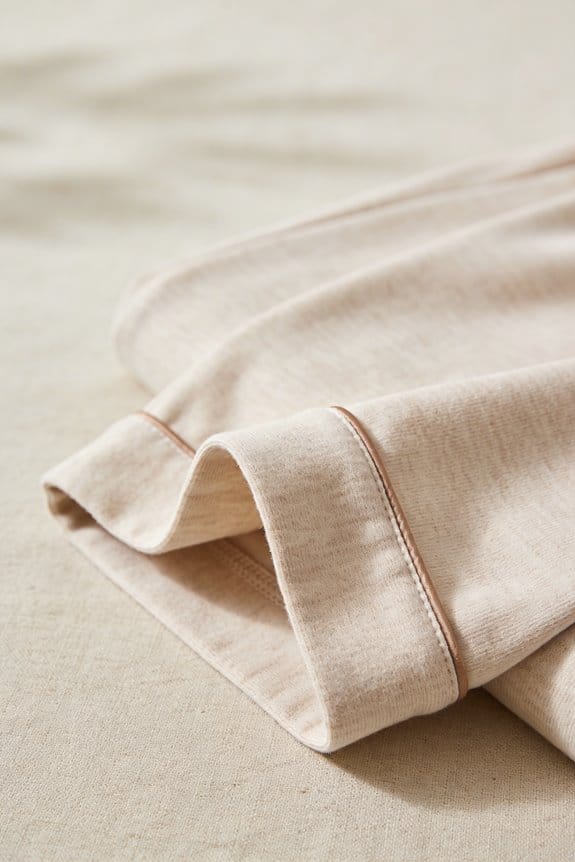
Have you ever tossed and turned at night, only to realize your sleepwear isn’t doing you any favors? It’s easy to overlook what you wear to bed, but choosing cotton can make a big difference for a comfy and healthy sleep.
Cotton sleepwear has this natural softness that feels gentle against your skin. It’s breathable, which means air circulates easily and keeps irritation at bay. Plus, if you tend to get a little sweaty at night, cotton’s moisture-wicking properties are a lifesaver. Nothing’s worse than waking up feeling clammy, right?
If you have sensitive skin or conditions like eczema, choosing cotton is even more crucial. It’s hypoallergenic, which significantly lowers the chances of any allergic reactions. That’s a big win for your skin health! Plus, lightweight cotton won’t trap moisture like synthetic fabrics often do, leaving you cooler and more comfortable.
One of the best parts? Taking care of cotton sleepwear is a breeze. It becomes softer with each wash, like a cozy hug you can rely on. Many organic cotton sleepwear options are also certified under GOTS certification, ensuring they are free from harmful chemicals and made sustainably.
How Fleece Keeps You Warm, Yet Can Trap Heat
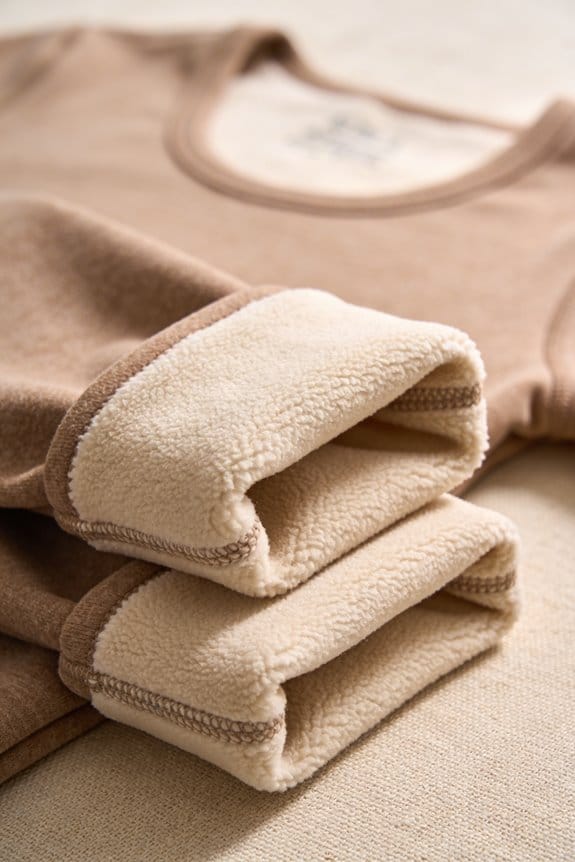
Fleece sleepwear is super cozy and can keep you warm on those chilly nights, but it can also lead to overheating if you’re not careful. For those with sensitive skin, the insulating properties of fleece can become a problem. It doesn’t breathe well, which can make you sweaty and cause irritation, potentially making skin issues worse.
So, what can you do? One option is to ensure good ventilation in your sleeping space. You might also want to think about using sleepwear that has better moisture-wicking qualities. For example, pairing fleece with cotton layers can give you that needed insulation while still allowing some airflow.
Frankly, while fleece feels soft and lasts a long time, its heat-retaining ability might not be the best for everyone, especially those who already struggle with skin irritation. Remember, breathable options can make a huge difference in keeping you comfortable at night.
In short, if you’re feeling too warm or irritated in fleece, try mixing it up or finding alternatives. Many high-quality insulated fabrics, like microfleece or sherpa, offer cozy comfort while balancing warmth and breathability.
What’s your go-to sleepwear during those cold nights?
Breathability in Sleepwear: Choosing the Best Fabric for Sensitive Skin
What’s the one thing that can ruin a good night’s sleep? If you have sensitive skin, it’s probably the irritating sleepwear you’ve worn. Finding the right fabric can make all the difference. Breathable pajamas, like cotton sleepwear, are my go-to because they allow air to flow while keeping moisture at bay. This keeps your skin dry and comfy during the night.
Now, let’s talk about those warm, fuzzy synthetic fabrics. Sure, fleece feels nice and cozy, but it can trap heat and moisture, leading to skin irritation. You might be thinking, “But I love how soft it feels!” Just remember how it could make your skin react. Choosing 100% cotton can help reduce friction and minimize rashes, which is especially important if your skin is sensitive.
If you’re aiming for something even better, consider organic cotton. It’s free from harmful chemicals and tends to be hypoallergenic, meaning it’s gentler on the skin. You’ll not only be doing your skin a favor but also shopping a bit more sustainably. The best part? You get comfort without worrying about harsh substances irritating you.
Pajamas made from certified safe materials ensure your skin remains protected from potential irritants.
So, the next time you’re picking out sleepwear, pay attention to the fabric. Stick with breathable, natural fibers to protect your sensitive skin. You’ll likely find that you wake up feeling refreshed and without irritation.
Have you thought about how much your sleepwear affects your skin? It’s worth a little consideration, don’t you think?
Moisture-Wicking: Cotton or Fleece?
Ever wake up in the middle of the night feeling sweaty or uncomfortable? It’s a tough spot to be in, right? When it comes to choosing the right fabric for sleepwear, moisture-wicking properties can make all the difference. So, let’s take a closer look at cotton versus fleece.
Cotton is a natural fiber that’s known for how well it handles moisture. It absorbs sweat quickly and allows for evaporation, which is key for keeping your skin dry while you sleep. On the other hand, fleece — as cozy as it feels — can hold onto moisture and heat. This might lead to a restless night, especially if you’ve got sensitive skin that doesn’t appreciate feeling trapped.
If you’re prone to skin issues, consider this: hypoallergenic cotton sleepwear can be a real lifesaver. It minimizes the risk of irritation caused by dampness, letting your skin breathe freely throughout the night. Choosing cotton over fleece can help create a cooler, more comfortable sleep environment.
Here are some quick tips for you:
- Look for cotton that’s labeled as moisture-wicking.
- Pay attention to the fabric’s breathability.
- If you’re sensitive to allergens, opt for hypoallergenic cotton options.
So, why does this matter? Well, enhanced breathability not only creates a more pleasant sleep experience but also promotes better skin health. The best part is, making the switch to cotton can be both a small change and a thoughtful choice for your rest and relaxation. Additionally, selecting sleepwear made from organic cotton ensures extra comfort and safety for delicate skin.
Tips for Seasonal Pajama Selection: Keeping Comfort in Mind
How can you keep your sleepwear cozy as the seasons change? It can be tricky, but choosing the right pajamas makes all the difference.
For the warmer months, lightweight fabrics like cotton or bamboo are your best bet. These materials are soft and moisture-wicking, helping you stay cool and comfortable. In winter, though, you’ll want something thicker. Flannel or heavier cotton pajamas provide the warmth you need without overheating. Layering with a breathable cotton base can also add convenience—keeping you snug without feeling restricted.
So, why does this matter? Well, wearing the wrong fabric can irritate your skin and leave you tossing and turning all night. That’s why it’s a good idea to steer clear of synthetic materials like fleece. They tend to trap heat and moisture, which isn’t great for comfort.
Choosing pajama fabrics with high breathability helps regulate temperature and reduces skin irritation for sensitive sleepers.
Making sure you’re checking in on your pajama collection with the seasons is key to staying comfy year-round. Just take a moment to reassess what you have and make adjustments as needed.
In short, comfy pajamas are a must for a good night’s sleep no matter the season. What will you be wearing tonight?
Caring for Your Sleepwear: Maintaining Skin Health
Have you ever thought about how your sleepwear affects your skin health? Keeping it in good shape is just as crucial as choosing the right fabric, especially if you have sensitivities. Regularly washing your sleepwear can make a huge difference.
Try this: opt for gentle, fragrance-free detergents. They’ll help you avoid irritants and allergic reactions that could ruin a good night’s sleep. It’s also best to steer clear of fabric softeners and harsh chemicals because they can set off irritation in sensitive skin. Washing in cold or lukewarm water? That’s key, too! It helps preserve the integrity of the fabric, ensuring it stays soft and gentle on your skin.
Air drying your sleepwear is another great tip. Not only does it maintain breathability, but it can also help prevent shrinkage. Plus, take a moment to inspect your sleepwear regularly. Rough seams or damage can irritate your skin, and no one wants that while they’re trying to catch some Z’s.
In addition, choosing sleepwear made of breathable, skin-friendly materials like 100% cotton can significantly enhance comfort and reduce skin irritation.
Truth is, taking these simple steps can help you keep your sleepwear comfortable and your skin happy. So, how about giving your sleepwear a little extra TLC? It’s worth it for better sleep and healthier skin!
Frequently Asked Questions
What Is the Best Material for Sensitive Skin Pajamas?
For our sensitive skin pajamas, let’s embrace soft, breathable natural fabrics like bamboo or organic cotton. These hypoallergenic options guarantee moisture-wicking comfort, temperature regulation, plus durability concerns—while enjoying vibrant colors through colorfast dyes and thoughtful seam placements.
What Fabric Is Best for Sensitive Skin?
For sensitive skin, we recommend breathable fabrics like organic cotton or bamboo. These hypoallergenic materials offer soft textures, moisture-wicking properties, and temperature regulation, ensuring a comfortable, chemical-free experience that’s skin-friendly and gentle on irritation.
What Are the Best Pajamas for Sensitive Skin?
For sensitive skin, we recommend organic cotton and bamboo fabric for their hypoallergenic properties. Moisture-wicking pajamas, breathable sleepwear, and light fabric options, especially with seamless designs, guarantee comfort and ideal temperature regulation throughout the night.
Is Fleece Bad for Sensitive Skin?
Fleece isn’t fantastic for sensitive skin. Its fabric flaws can fuel fleece allergies and skin irritation, lacking breathability and moisture-wicking properties. We should consider cozy cotton or hypoallergenic alternatives for better comfort levels and temperature regulation.