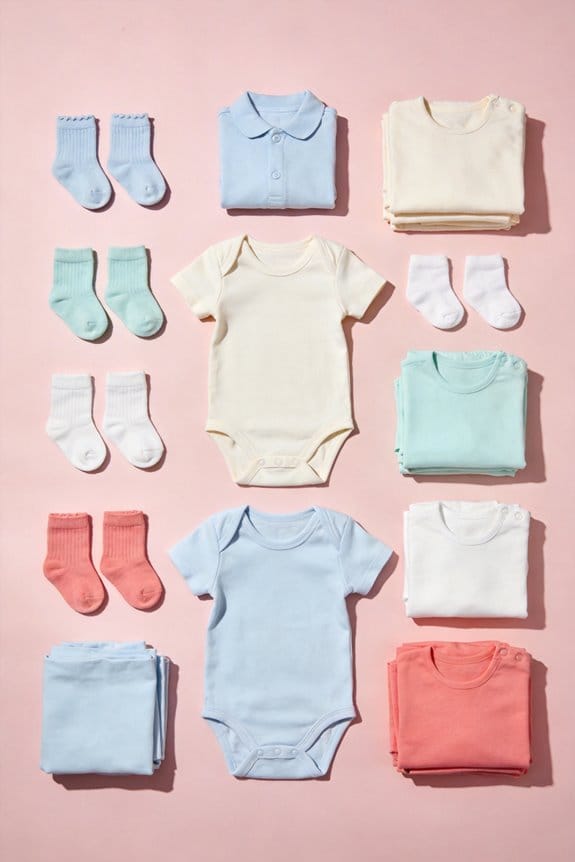
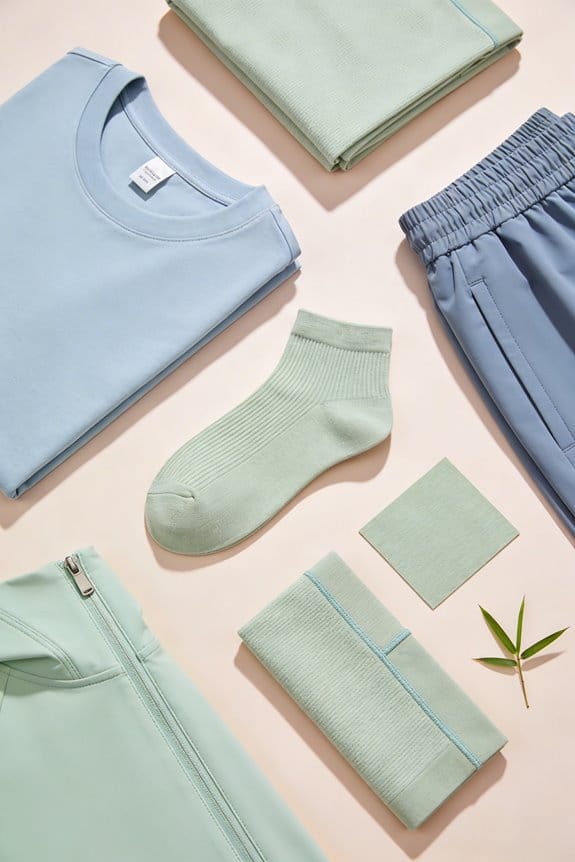

When dressing children with sensitivities, comfort is key. We should choose soft fabrics like organic cotton and opt for tagless designs to minimize irritation. Creating a dressing routine can ease anxiety, and involving our children in selecting outfits helps them feel empowered. Additionally, we can lay out clothes together to build excitement. It’s important to explore sensory-friendly brands like Hanes and SmartKnitKIDS for clothing that meets these needs. Learn more about effective strategies to enhance your child’s dressing experience.
Key Takeaways
- Opt for soft, breathable fabrics like organic cotton or bamboo to minimize discomfort for children with sensitivities.
- Choose clothing with tagless designs, smooth seams, and soft elastic waistbands to reduce irritation and friction.
- Involve children in selecting their outfits to empower them and increase their comfort during dressing.
- Establish a consistent dressing routine with flexible adjustments based on the child’s feedback to minimize stress.
- Utilize resources like online retailers focusing on sensory-friendly clothing and celebrate small successes in the dressing process.
Understanding Sensory Sensitivities in Children
Have you ever noticed how some kids just can’t stand certain fabrics? Understanding sensory sensitivities in children is so important for making their day-to-day life a little easier. Many kids deal with sensory processing disorder, which can make them really uncomfortable in certain clothes. This isn’t just a case of being picky; it’s often about tactile defensiveness. Poor little ones may find tags or seams unbearable, and that can lead to a lot of distress during dressing time.
Try choosing sensory-friendly clothes. Look for soft, breathable fabrics like organic cotton or micromodal that help keep your child comfortable. Establishing a consistent dressing routine is also a good way to help ease anxiety around getting dressed. You might want to ask your child about what they like and don’t like when it comes to their clothing. When you validate their feelings about discomfort, they’ll feel seen and understood.
Here’s the trick: offer a few clothing options that fit their preferences. Let them pick from two or three choices so they feel empowered. This small act can transform dressing from what might feel like a battle into a more pleasant experience, allowing them to take a little ownership over their style.
Truth is, navigating clothing sensitivities can be tough, but making slight adjustments can really help. Choosing clothes that feature tagless designs can also significantly reduce skin irritation and enhance comfort for sensitive children.
What strategies have you found useful for your child when it comes to sensory sensitivities?
Soft Fabrics for Happier Kids
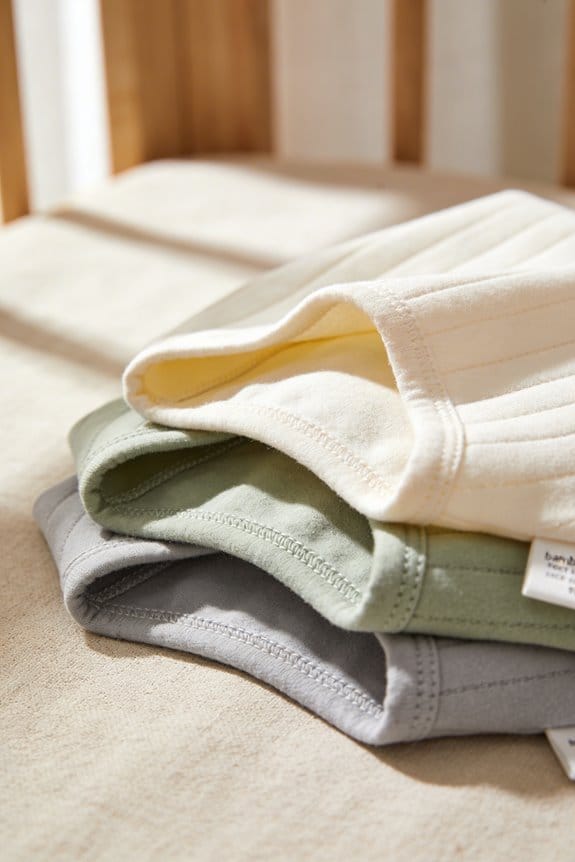
When it comes to dressing our kids, the fabric we choose can really make a difference in their comfort levels. If you have a sensory-sensitive child, soft fabrics like 100% cotton are essential. These materials can help reduce discomfort and keep tactile defensiveness at bay, making sure your little one feels comfortable in what they’re wearing.
So, why does this matter? Natural materials, like organic cotton, bamboo, and linen, don’t just feel great—they allow for breathability and help prevent irritation on sensitive skin. On the other hand, you might want to steer clear of synthetic fabrics, as they can ramp up sensitivity issues. And let’s be honest, no one wants to deal with the fuss of an uncomfortable outfit!
Try this: opt for pre-washed garments. They tend to be softer and less stiff right out of the package, making them way more inviting for your kiddos. Focus on breathable fabrics and choose those gentle to the touch. By doing this, you’ll be creating a wardrobe that keeps your children’s comfort and happiness at the forefront all day long.
Next time you shop, think critically about what your kids are wearing. With just a little attention to fabric choice, you can make a big difference in their daily comfort. Certified organic materials with eco-friendly certifications also ensure the fabrics are free from harsh chemicals and safe for sensitive skin. What are some go-to materials you’ve found that your kids love?
Practical Tips for Minimizing Clothing Irritation
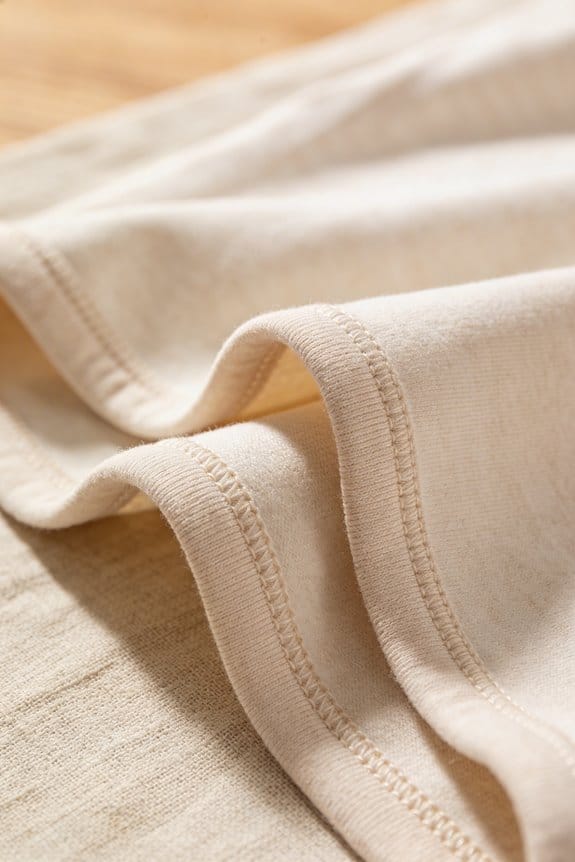
Are your kids often bothered by their clothes? It’s tough to see them uncomfortable, especially if they’re sensory-sensitive. One way to ease that discomfort is by choosing the right fabrics. Soft, breathable materials like organic cotton or micromodal can really help kids feel more at ease throughout the day.
When shopping, look for tagless designs and smooth seams. These small changes can make a big difference in reducing friction, which often leads to irritation. And instead of stiff belts or buttons, why not try clothing with wide, soft elastic waistbands? They allow for more comfortable movement, letting your kids play freely without feeling restricted.
So, what else should you consider? Steer clear of rough textures, stiff constructions, and unnecessary decorations. These can sometimes trigger tactile defensiveness in kids with sensory sensitivities. Layering sensory-friendly garments can also be beneficial. Imagine creating a cozy “cocoon” feeling for them with soft, smooth layers.
Choosing machine-washable fabrics ensures easy care and maintains the softness that sensitive skin needs over time.
In the end, making these adjustments can lead to a more comfortable daily experience for your little ones. After all, don’t we all deserve to feel good in our clothes? What steps will you take to help your kids feel their best?
Creating a Consistent Dressing Routine
Is getting your kids dressed every morning a real struggle? Many parents face this challenge, and it can often lead to stress for both you and your little ones. Creating a consistent dressing routine doesn’t just ease the process; it can help your kids feel more confident about choosing their clothes.
Try laying out their outfits the night before. This simple trick builds excitement and a sense of security. Imagine your child waking up to see their favorite clothes ready to go. It’s a little act that can change how they feel about getting dressed in the morning!
A visual chart or checklist can make a big difference too. For younger kids, having a clear outline of the dressing order can be super helpful. Think about including pictures so they can follow along easily. It empowers them to take charge of their choices without feeling overwhelmed.
Don’t forget to create a calming atmosphere during this routine. Soothing music or familiar scents might help ease any sensory sensitivities they have. It’s amazing how these small elements can contribute to a more pleasant experience overall.
Consistency is key! You’ll want to stick to your routine, but keep it flexible. Regularly check in with your child and adjust the plan based on their feedback. This keeps the dressing experience positive and ensures they are comfortable in what they wear. Choosing clothing made from durable fabrics like cotton or denim can also provide comfort and withstand active play, which is beneficial for children with sensitivities.
How to Involve Your Child in Dressing Choices?
How can you empower your child to make their own dressing choices while ensuring they feel comfortable and confident in their outfits? It can be tricky, but I’ve got some ideas that can make the process smoother.
Try involving your child in picking out their outfits by offering two or three sensory-friendly options. This isn’t just about letting them choose; it helps them build independence and boosts their confidence. Letting them pick what they wear means they get a say in how they present themselves.
Here’s the trick: consider using a visual chart or checklist for the dressing routine. Kids often respond well to visual aids, and it makes getting dressed feel more engaging and less like a chore. Make it fun! And don’t forget to ask your child about their fabric preferences. So, why does this matter? Understanding their sensitivities can help you both avoid meltdowns over itchy tags or uncomfortable seams.
Laying out clothes together the night before creates a sense of predictability, which can significantly reduce morning anxiety. It gives your child something to look forward to and makes the whole process a lot easier on everyone. Honestly, it can turn chaotic mornings into something far more manageable.
Celebrate successes, no matter how small! Whether they pick out their own socks or put on their shirt without fussing, acknowledging these moments reinforces their sense of control in their dressing choices. Additionally, choosing clothing made with comfortable material designed especially for sensitive skin can greatly enhance their dressing experience.
Finding the Right Sensory-Friendly Brands
When your child struggles with sensory sensitivities, choosing the right clothing can feel like a daunting task. What brands really get it? You want clothes that won’t make your little one uncomfortable throughout the day. That’s where options like Hanes and SmartKnitKIDS come in handy; their tagless and seamless designs can really help minimize discomfort.
Another brand to consider is Kozie Clothes, which offers some fantastic adaptive options. They have everything from compression garments to weighted vests, catering specifically to kids who need a little extra support with sensory processing. Fun and Function is another great place to shop; they’ve got colorful and practical choices that accommodate different sensory preferences.
When shopping, keep an eye out for natural, soft fabrics like cotton and bamboo. Not only are they breathable, but they also feel great against the skin—perfect for a child with sensitivities. Try this: look for clothing made from these materials to ensure your child stays comfortable all day long.
Choosing organic cotton clothing can further reduce the risk of skin irritation and allergic reactions, making it an excellent option for sensitive skin.
Finding the right sensory-friendly brands is all about exploration. Websites like Amazon and dedicated retailers make it easier than ever to find clothes that work for your child. It might take some trial and error, but discovering what’s best for your little one can greatly improve their daily comfort and happiness.
Frequently Asked Questions
What Are the Signs My Child May Need Sensory-Friendly Clothing?
Did you know that around 1 in 20 children struggle with clothing sensitivities? We might notice signs like emotional outbursts, fabric avoidance, and clothing refusal, indicating they need more comfortable options that align with their texture preferences.
Can Sensory-Friendly Clothing Be Stylish and Trendy?
Absolutely, we can find stylish designs and trendy patterns that cater to sensory needs. With diverse fabric choices, color options, and fit variations, layering techniques and accessories make trendy fashion not only inclusive but also fun!
How Can I Encourage My Child to Try New Clothing?
We can encourage our child to try new clothing by incorporating playful shopping experiences. For example, we might use positive reinforcement with a favorite toy, allowing them to explore engaging textures while maintaining open communication about clothing preferences.
Are There Budget-Friendly Sensory-Friendly Clothing Options Available?
Yes, there’re budget-friendly sensory-friendly options! We’ve found great budget finds at thrift stores, engaged in clothing swaps, utilized DIY alterations, and explored discount brands during seasonal sales and online for local boutiques’ hidden treasures.
How Do I Properly Care for Sensory-Friendly Fabrics?
Certainly, we should handle our gentle garments with great grace! Following washing instructions diligently, using fabric softeners, applying stain removal techniques, and practicing laundry organization promotes durability, enhances color fastness, and guarantees ongoing comfort for sensitive souls.