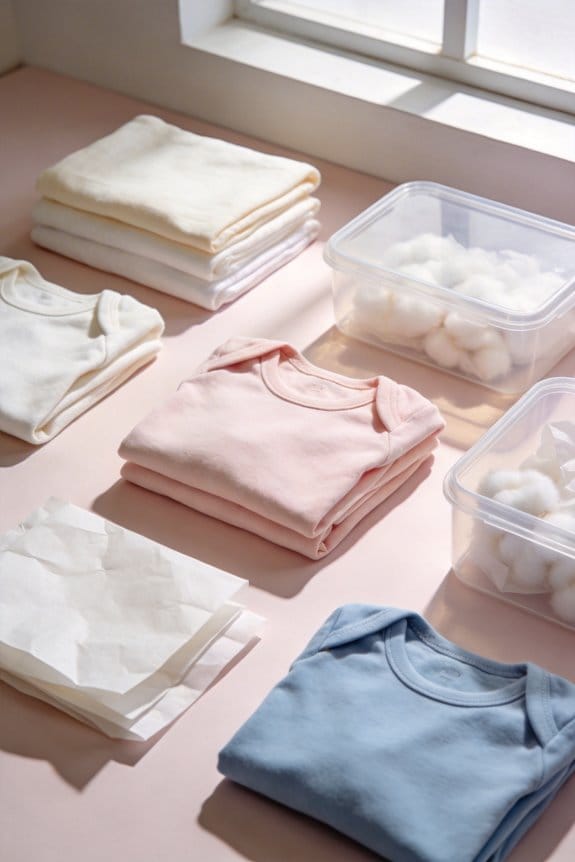

To properly store baby clothes for the next child and prevent yellowing, we should wash items with a gentle, baby-safe detergent first. Next, we must guarantee all clothes are completely dry before placing them in clear, airtight plastic bins. Storing these bins in cool, dry areas, away from sunlight, will help maintain their quality. Additionally, labeling bins by size and season makes them easy to access later. By following these steps, we can protect our baby clothes for future use. More details on caring and organizing these clothes await us.
Key Takeaways
- Wash baby clothes with gentle, fragrance-free detergent and ensure complete dryness before storage to prevent mildew and yellowing.
- Store clothes in airtight clear plastic bins to keep out dust, humidity, and light exposure that can cause discoloration.
- Avoid using fabric softeners during washing, as they can leave residues that attract dust and lead to yellowing.
- Keep storage bins in cool, dry places away from direct sunlight to protect clothes from fading and deterioration.
- Regularly check stored clothes every few months to identify and address any issues early, maintaining their quality.
Why Proper Storage of Baby Clothes Is Essential
When it comes to storing your baby’s clothes, it’s pretty easy to overlook the importance of how you do it. Think about it: you want those adorable outfits to stay in great shape for the next little one or for handing down to friends. So, what’s the best way to keep them fresh and avoid any nasty surprises later on?
Using airtight containers is key. Clear plastic storage bins with lids can work wonders by minimizing exposure to air and moisture. This helps prevent yellow spots and mold from sneaking in, keeping those sweet outfits looking as bright as the day you bought them. Plus, you’ll want to store these bins in a cool, dry spot away from direct sunlight—sunlight can really fade colors over time, and that’s the last thing you want!
Before packing everything away, try washing the clothes with a gentle, fragrance-free detergent. This can remove impurities that contribute to yellowing—trust me, your future self will thank you for this simple step. And don’t forget to check in on them every few months. Just a quick peek can save you from dealing with any unexpected issues down the line.
Remember, choosing garments made from hypoallergenic materials can also help maintain fabric quality and prevent skin irritation for the next baby.
In the end, properly storing your baby clothes doesn’t have to be a chore. It just takes a bit of effort to keep them in excellent condition. Do you have any tips you use when storing clothes?
Steps to Clean Baby Clothes Before Storing
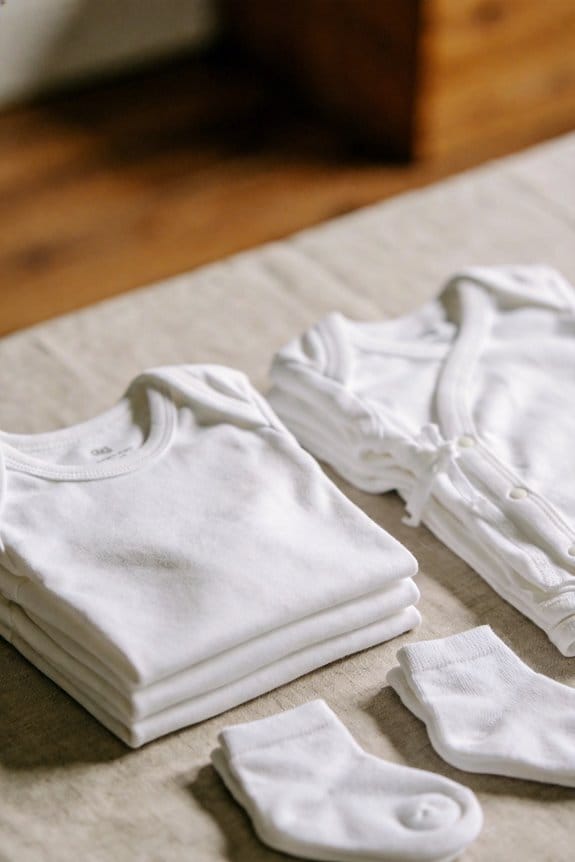
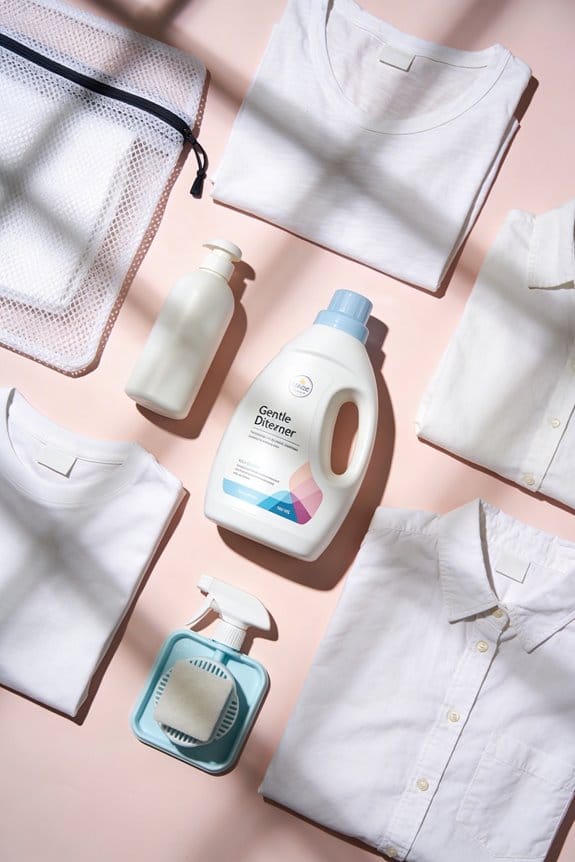
Cleaning baby clothes before storing them is super important if you want to keep them looking fresh and new. Have you ever pulled out an old outfit, only to find it’s yellowed or has stains? To prevent that, it all starts with washing the clothes using a gentle, baby-safe detergent. This not only cleans them but also helps avoid any leftover residue that can lead to yellowing down the road.
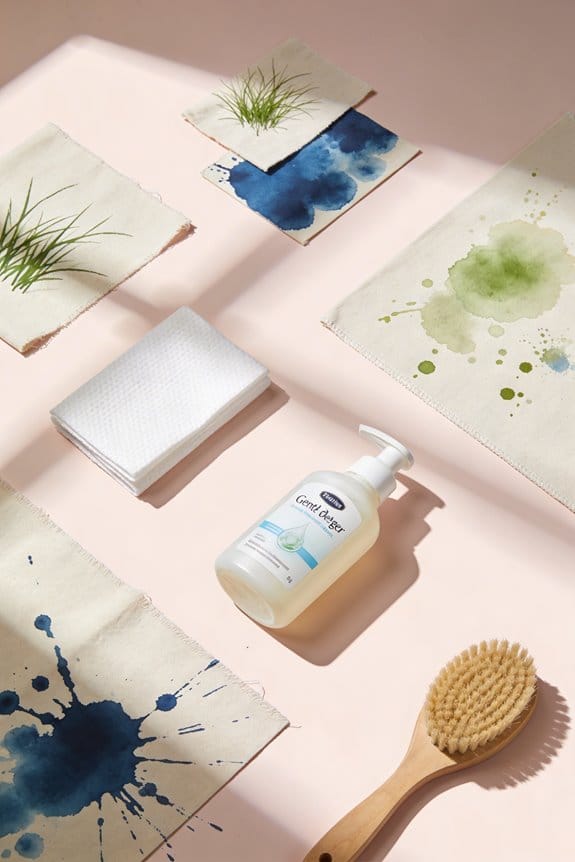
If you spot any stubborn stains, don’t wait—pre-treat them right away. A simple mixture of baking soda and water works wonders. Just apply it directly to the stain and let it sit before the wash. The last thing you want is to store clothes with a stain that might set in over time, right?
After the wash, drying is key. Make sure each piece is completely dry before packing them away. If there’s any moisture left behind, hello mold. No one wants that, especially when it could cause discoloration. And while fabric softeners make things smell nice, they can leave a residue that attracts dust and yellowing, so it’s best to avoid those.
For a little added freshness, think about sun-drying the clothes. The sun’s natural UV rays are great for brightening whites and can even help kill off any hidden bacteria. Plus, it gives your little one’s clothes that lovely outdoor smell!
In a nutshell, taking a bit of time to clean baby clothes properly before storage can save you a lot of trouble later. Additionally, using eco-friendly detergents can protect the fabric quality and ensure the clothes stay gentle on the baby’s skin.
So, what’s your go-to method for keeping baby clothes nice?
How to Choose the Right Storage Containers
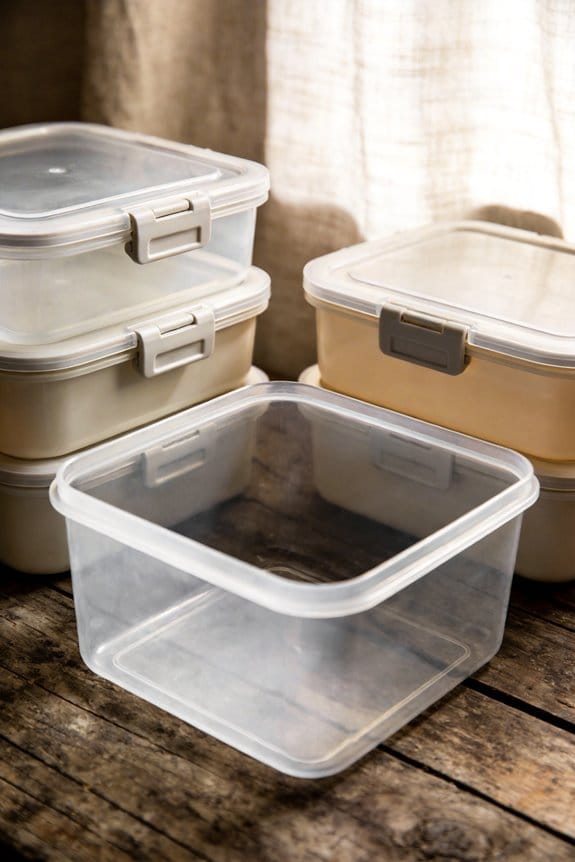
Are you struggling to keep your baby clothes safe and organized? You’re not alone. Choosing the right storage containers can make a world of difference, helping you preserve those tiny outfits for future use.
Start with clear plastic storage bins that come with airtight lids. These will protect your clothes from moisture, dust, and those pesky pests that seem to show up out of nowhere. When storing clothes, consider the fabric type. For delicate items, go for fabric storage bags that offer a breathable option. On the other hand, non-delicate fabrics can be packed into vacuum-sealed bags, which helps save space.
You might think cardboard boxes are a good idea, but they can actually do more harm than good. They absorb moisture and attract pests, which can ruin your baby’s clothes. So, skip those!
Here’s the trick: label each bin before you store them away. Include details like size and season. That way, you won’t have to open multiple containers just to find what you need later.
Additionally, be mindful of storing clothes made from organic cotton or other natural fibers separately to maintain their softness and prevent damage during long-term storage.
Packing your baby clothes the right way means they’ll be ready for whoever wears them next. After all, you want those adorable outfits to look just as cute the next time they’re worn! What are some storage tips you’ve found helpful in keeping your baby’s clothing in good shape?
Organizing Baby Clothes for Storage and Easy Use
Are you drowning in baby clothes and not sure what to do with them? You’re definitely not alone. Organizing these tiny outfits can feel overwhelming, but with a little thought, you can keep them in great shape and easily accessible.
Start by sorting the clothes by size and season. It’s about making it easy to find what you need later. Storing them in clear categories not only helps you stay organized now, but it’ll save you time when you’re in a rush. High-quality bins with lids are your best friend for this task. They keep out moisture and dust, which is key to preventing that dreaded yellowing.
When you’re packing away those precious outfits, don’t cram them. A tight squeeze means creases and potential damage to the fabric. Instead, fold or roll them loosely. And definitely wash and dry everything thoroughly first; stains left behind can turn into long-term problems that are hard to fix.
So, why does this matter? Well, checking in on your stored baby clothes every few months can make a big difference. You’ll want to catch any moisture or pests before they wreak havoc on those tiny treasures. Additionally, storing clothes made from fleece materials carefully will help maintain their softness and warmth for the next use.
In short, a bit of effort in organizing now means you’ll have fresh, ready-to-wear options when you need them. What’s your favorite tip for keeping baby clothes in fantastic shape?
Preventing Yellowing During Storage
Have you ever pulled out baby clothes from storage only to find they’ve turned a sad shade of yellow? It’s frustrating, especially when you want those sweet little onesies to look as fresh as the day you bought them. Luckily, there are a few simple steps you can take to keep those clothes looking great for the next baby.
First off, washing everything before storing really helps. Use a gentle, fragrance-free detergent to avoid any leftover scents that might linger. And don’t forget to make sure the clothes are completely dry, since even a little moisture can lead to mildew, which contributes to that dreaded yellowing.
So, what’s the best way to store those tiny outfits? Consider using airtight, clear plastic bins. They do a great job of keeping dust and humidity away, which helps maintain the quality of the fabric. You might want to skip the fabric softeners, as they can leave residues that attract pests and cause discoloration.
Finally, find a cool, dry spot to store the bins, away from direct sunlight. Sunlight can be brutal on fabrics and can cause fading and yellowing over time.
Essential Baby Clothes to Keep as Heirlooms
After you’ve made sure to store your baby clothes properly so they stay in good shape, it’s time to figure out which pieces really tug at your heartstrings and deserve a place in your family’s legacy. Start with the baby’s first outfit worn home from the hospital—that little getup is a beautiful reminder of their grand entrance into your life.
Think about special occasion outfits too. Those tiny garments worn during birthdays or holidays help you hold onto cherished family traditions and milestones. And don’t forget about those beloved onesies or cozy blankets—they might seem simple, but they often carry a lot of emotional weight.
If you’ve got handmade outfits from family members, those are worth keeping as well. They strengthen your bond with your heritage in a really meaningful way. For items with extra sentimental value, like christening gowns, consider transforming them into memory boxes or quilts. It’s a lovely way to create lasting treasures that you and your family can cherish in the future.
To maintain the quality and longevity of these precious items, always follow care and maintenance tips tailored for delicate fabrics.
Best Practices for Reusing Stored Baby Clothes
When you finally pull out those stored baby clothes, it’s crucial to give everything a good once-over. Check for any yellowing or damage, especially if you plan to save them for future little ones. You don’t want to discover a problem later on.
Here’s a practical tip: using clear, airtight bins can really help. They not only protect your kiddo’s clothes from moisture and pests but also make it easy to see what you have. If you spot any stains, treat them right away with a baking soda mixture to stop them from setting in.
Now, let’s be real— organizing a clothing swap with friends or family can be a fun way to refresh your toddler’s wardrobe while sharing clothes that are still in great shape. It’s also a nice way to connect and catch up.
And don’t forget to check on your stored clothes every few months. Regular checks will keep everything in excellent condition for when you’re ready to use them again. How satisfying is it to know you’re saving money while keeping those memories intact? Using outfits made from soft, breathable materials can also make a difference in longevity and comfort for the next child. So, what do you think? Ready to dive into your bins and see what you’ve got?
Frequently Asked Questions
How to Store Baby Clothes for Next Generation?
Did you know 80% of baby clothes can last for generations? For effective baby clothes storage, we should focus on long-term clothing preservation with moisture control methods, ideal temperatures, and pest prevention while keeping colors vibrant!
How to Store Clothes Without Turning Yellow?
To avoid clothes turning yellow, we should use fabric preservation techniques like vacuum sealing, storing cotton garments in acid-free materials, and organizing storage spaces to guarantee proper climate control while avoiding sunlight exposure.
How to Remove Yellowing From Stored Baby Clothes?
To remove yellowing from stored baby clothes, we can use stain removal techniques like baking soda and vinegar, and guarantee proper drying practices to manage humidity. Sunlight exposure enhances whiteness, while effective washing methods promote fabric care.
Is It Better to Store Clothes in Plastic Bags or Boxes?
We prefer plastic boxes for long-term storage over bags. They offer better moisture prevention and temperature control, plus limit light exposure. Using breathable options and proper cleaning methods, we can keep baby clothes fresh and undamaged.