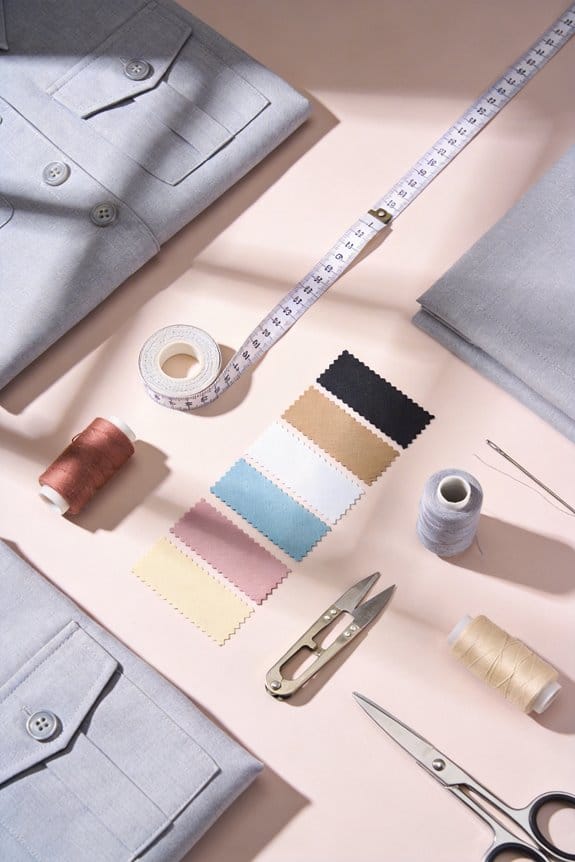

To extend the hem of a uniform skirt or trousers, we first need to measure the desired length accurately. While measuring, make sure the wearer stands straight in their shoes. Next, choose a fabric that matches the original weight and color. Gather tools like scissors and pins, as they’ll help in our process. For skirts, check for extra fabric at the hem and re-hem if available. We can also personalize the look later, so let’s explore the next steps together.
Key Takeaways
- Measure from the waist to the desired hem length while standing straight in shoes for accuracy.
- Check for extra fabric in the hem before cutting; skirts and trousers may have 2 to 4 inches available.
- Use a matching fabric weight and color to maintain uniformity; stretchy fabric is ideal for comfort if the original has stretch.
- Fold and press the new hem carefully before sewing, ensuring to leave a ½ inch seam allowance for a polished finish.
- Regularly inspect and care for altered hems to prevent wear, following care label instructions to maintain garment integrity.
How to Measure for Hem Extensions
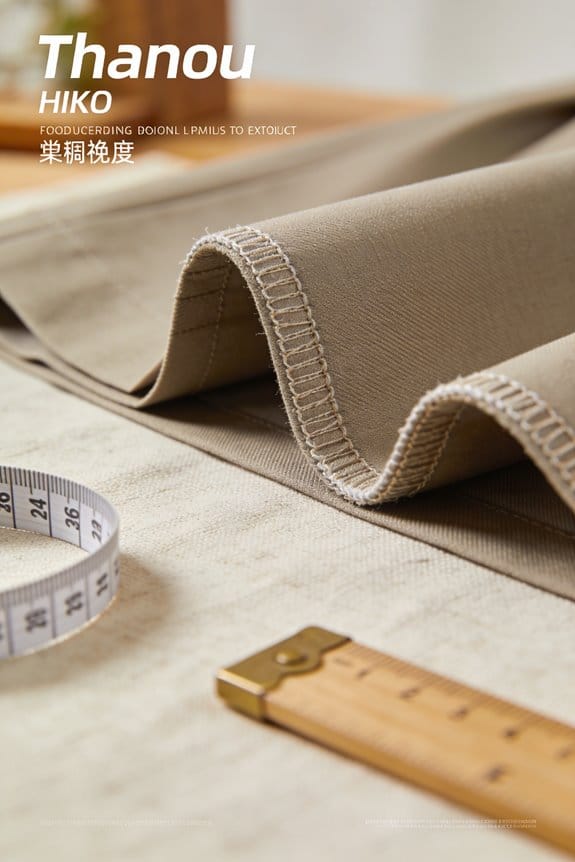
Have you ever struggled to get the hem of your skirt or trousers just right? It’s one of those little details that can completely transform how an outfit looks. To get it spot-on, here’s a straightforward method to measure for hem extensions that works like a charm.
First up, make sure the wearer stands straight in their shoes. This step’s crucial because the height of the shoes can affect the length. You’ll want to measure from the waist down to where you want the hem to fall. Grab a fabric marker or chalk, and mark that spot all the way around the garment to ensure everything’s even.
What about the current hem fabric? Seriously, don’t overlook this part! Understanding what you’re working with helps determine how much extra length you can actually add. Before you take any scissors to the fabric, take a moment to double-check your measurements. It’ll save you from making a mistake that could throw off the whole look of your outfit.
Also, considering the fabric type and care instructions can help ensure your hem adjustments last and look good over time.
So, why does this matter? Well, every little detail counts when it comes to looking polished and put together. And honestly, who doesn’t want their clothes to fit just right?
To wrap it all up, measuring for hem extensions doesn’t have to be a headache. Just follow these simple steps to make sure your adjustments look professional. What’s holding you back from giving it a try?
Choose the Right Fabric for Your Hem
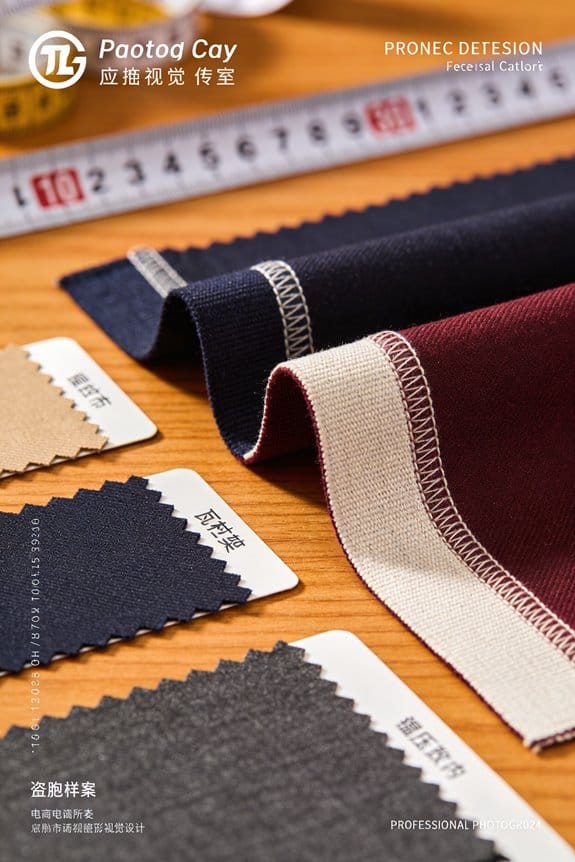
Choosing the right fabric for your hem extensions can be tricky, but it really matters! You want those alterations to blend in perfectly with the rest of your garment, right? Here are a few things to keep in mind.
First off, consider the weight of the fabric. Using something similar in weight as the original trousers or skirt will help maintain that nice overall look and feel. If the original has some stretch, it’s best to go for a stretchy fabric. This keeps everything comfy and allows for movement—especially important in a school setting.
Color is another biggie. Make sure the shade closely matches your uniform so the hem extensions don’t stand out like a sore thumb. Of course, there’s room for creativity. Using a contrasting fabric can work, but make sure it’s in line with the vibe of the uniform. So, why does this matter? A cohesive look boosts confidence, and who wouldn’t want that?
Maintenance is key, too. Choose a fabric that shares the same care requirements as your uniform, like being machine-washable. You don’t want to be dealing with high-maintenance fabrics when you’re running late for school.
In a nutshell, picking the right fabric for your hems can greatly enhance your outfit’s cohesiveness. Remember to prioritize durable and wash-resistant materials to keep your alterations lasting longer. What’s your go-to tip for tackling garment alterations?
Gather Your Essential Tools and Supplies
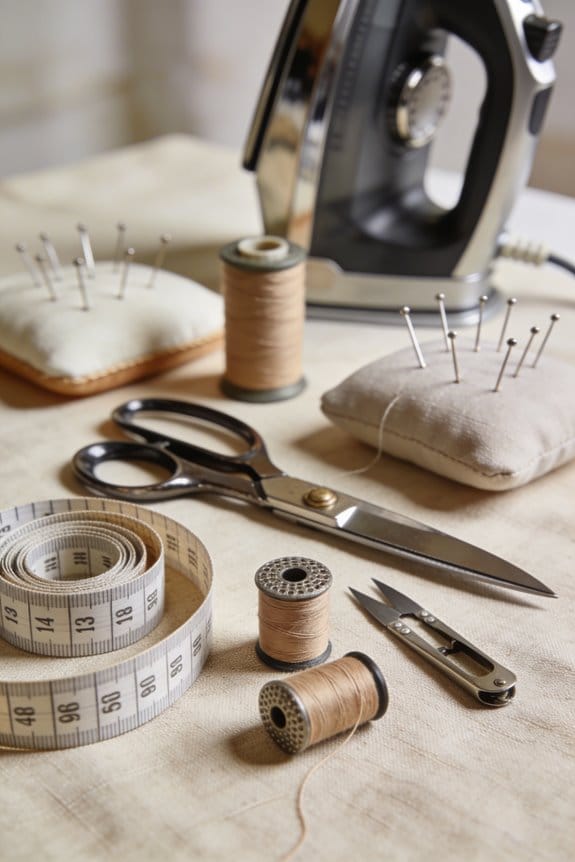
Have you ever looked at a garment and thought, “This just needs a little tweak”? If you’re planning to adjust your hems, the first thing to do is gather all the right tools and supplies. You’ll want to grab the garment that’s got an unfortunate length along with some matching fabric for the cuffs.
Now, let’s talk essentials. Here’s what you need to have handy:
- Scissors
- Pins
- A ruler
- A fabric marker or chalk
- Thread that matches your fabric and the original garment
Don’t underestimate the importance of matching the weight and texture of the uniform—nobody wants a patch that stands out for the wrong reasons! Using a fabric pencil is a great idea too; it’ll help you get the length just right before making any cuts.
When you’re ready to tackle the cuffs, remember to leave about a ½ inch seam allowance to achieve that polished finish when you attach the new cuff. So, why does this matter? Because a well-finished hem can make all the difference in how your garment looks and feels. Ensuring that the fabric has durable material quality will help your adjustments last longer and look professionally done.
Step-by-Step Guide to Lengthening Skirts
Ready to give that uniform skirt a bit more length? Start by measuring how long you want it to be. But wait—check if there’s enough fabric at the hem. If it’s a wider hem, you can carefully unpick it to reveal any extra fabric. This little step can make a big difference!
Once you’ve got that surplus fabric out, press it flat before re-hemming. It’s key to getting a smooth finish. Now, what if you don’t have enough fabric to work with? No worries! You can jazz it up by adding a contrasting fabric band at the bottom. This not only lengthens your skirt but also adds a stylish twist.
So, why does this matter? A well-finished hem can elevate the whole look of your skirt. If you’re feeling unsure at any point, don’t hesitate to reach out to a professional tailor. Honestly, they can make sure you get a clean, durable finish that meets uniform standards.
In short, it’s all about getting that look just right while feeling confident in your skirt. Have you tried altering any of your clothes before?
Adding soft, breathable fabrics like cotton and spandex ensures comfort while extending your skirt with a new hem or fabric panel, making it wearable for various occasions and seasons as with breathable materials.
Must-Know Techniques for Extending Trouser Hems
Extending trouser hems can be a lifesaver when your favorite pants just feel a bit too short. Have you ever bought a pair of trousers, only to find they hit your ankles instead of resting perfectly on your shoes? It doesn’t have to be a lost cause. You can easily customize the length to fit your style and ensure all-day comfort.
First things first, check inside the hem for any extra fabric. You might find about 2 to 4 inches waiting for you to pull it down. Just be careful: if the original hem is too narrow or rolled, you may be limited on how much you can actually extend.
Next up, grab a ruler and measure out that new length you want. Mark it clearly so you don’t miss the mark. When you’re ready, fold the hem up to your new measurement and give it a good press. This step is crucial for making sure everything looks neat and tidy when you sew it back together. And here’s a tip: avoid trimming too much fabric off right away—you want to leave room for any tweaks down the line.
The best part is that following these simple steps will help you keep your trousers feeling comfy and looking good. So, are you ready to breathe new life into those pants? It’s easier than you might think!
Personalize Your New Hem With Fun Fabrics
Tired of your uniform feeling a bit too bland? You’re not alone! It’s totally possible to jazz things up with some fun fabrics to make your look feel more personal and unique. Mixing in materials that either complement or stand out from your existing colors can add some serious flair to your outfit.
Try this: think about incorporating fabrics like denim or lace. They can really breathe new life into the hem of your skirts or trousers. Just remember, you don’t want to throw off the balance—use fabric weights that are similar to your uniform’s material. This helps keep everything looking polished and cohesive without weird draping or awkward lines.
Don’t forget about those leftover pieces from other projects! Using fabric remnants not only sparks creativity but also supports sustainability. And if you want to take it up a notch, consider adding some embellishments. Ruffles or contrasting threads can be simple yet effective touches to personalize your uniform.
So, why does this matter? These small changes can show off your personality while still sticking to the uniform guidelines. It’s amazing how a little effort can completely refresh how you feel in your clothes!
In a nutshell, you can easily transform your uniform with these tips. Maybe start with a fun fabric or an embellishment you’ve been eyeing. What types of fabrics are you excited to experiment with?
Keep in mind that choosing breathable materials will ensure that your outfit remains comfortable throughout the day.
Maintaining the Integrity of Your Garment During Alterations
When it comes to altering uniform skirts or trousers, keeping your garment intact is super important. You know that feeling when a piece of clothing just doesn’t fit right anymore? Before you grab the scissors, make sure you have at least 1 to 2 inches of extra fabric in the hem. This bit of excess is crucial for alterations, as it helps maintain the garment’s shape and structure.
It’s also smart to consider the weight of the fabric. If the fabric of your trousers is heavier, try to find matching material for any cuffs or other alterations. This way, everything looks cohesive and put together. You might also want to think about professional tailoring to really keep that clean, polished look in the hem. They can offer the precision you need while leaving room for any future adjustments.
One more thing—before you make that first cut, take a good look at the new hemline you want. Measure twice and mark it carefully; this small step can save you from a major sewing disaster. So why does all this matter? Because taking these steps ensures your clothing remains stylish and functional without sacrificing its integrity. Additionally, choosing high-quality fabrics for alterations will enhance the garment’s durability and comfort.
Top Mistakes in Hem Alterations and How to Avoid Them
Ever tried to lengthen a pair of pants only to realize you didn’t have enough hem fabric? It’s a frustrating situation many of us have been in. One common mistake in hem alterations is thinking you can just slap on some fabric and call it a day, especially if the hem is narrow. You need to measure that desired length accurately before making any snips. If you skip this step, you might end up with a pair of pants that’s way too short.
Try this: Always preserve extra fabric when you’re working on your hems, whether you’re taking a DIY approach or visiting a tailor. That little bit of extra fabric can be a lifesaver for future adjustments, trust me. It’s simple, but so effective in keeping your garments in the shape you want them.
Now, let’s talk about fabric. If you’re using a different weight or texture for your adjustments, your uniform might end up looking off. So, why does this matter? Keeping the fabric consistent helps maintain a professional appearance. You want your uniform to look sharp, not like a patchwork project gone wrong.
Additionally, using materials that are consistent in fabric weight and texture will help ensure durability and a seamless appearance in your alterations.
In short, accurate measurements, keeping extra fabric, and matching the fabric weight and texture are keys to smooth hem alterations. Remember, a little prep work now can save you from a wardrobe crisis later. What’s your biggest hem alteration worry?
Caring for Your Newly Altered Uniforms
Caring for your newly altered uniforms can feel like a chore, but trust me, it’s worth it. Ever put on a uniform only to find the hem’s frayed or the fit’s off? Yeah, it can be pretty frustrating. So, how do you keep your clothes looking sharp and fitting just right?
First off, always check the care label before washing or drying. Those labels aren’t just for decoration—they’re there to help you maintain the integrity of that altered hem. Following those instructions can save you from dealing with any random shrinkage that could ruin your fit. And don’t forget to take a peek at your hems regularly; catching wear or fraying early can really protect the investment you made in your uniform.
When it comes to ironing, there’s a simple trick: use a low heat setting and a press cloth. This will help you avoid any accidental damage to the fabric. And do you know where you’re storing your uniforms? It might sound simple, but keeping them in a cool, dry spot away from direct sunlight can help prevent fading over time.
And let’s face it—people change, including our fits. If you find yourself needing some updates, it’s a good idea to schedule visits with a tailor. They can ensure your uniform continues to fit perfectly, no matter how things change.
To maximize wear, choosing pants with features like adjustable waistbands can help accommodate growth and maintain comfort over time.
Frequently Asked Questions
Can You Fix Pants That Are Hemmed Too Short?
Yes, we can fix pants that are hemmed too short! By using matching fabric or employing various hemming techniques, we’ll make tailored adjustments that guarantee a stylish and perfectly fitting look for you.
How to Lengthen a Trouser Hem?
Imagine crafting a perfect treasure; to lengthen a trouser hem, we’ll choose fabric options wisely, employ sewing techniques to attach a cuff, and master trouser alterations for a look that fits just right.
How to Increase the Length of a Skirt?
To increase the length of a skirt, we can explore skirt alterations with DIY hemming techniques. By choosing the right fabric and measuring carefully, we’ll achieve a stylish, well-fitted look that meets our needs.
Can You Make Pants Longer After Hemming?
Absolutely, we can often make pants longer after hemming! Did you know that many people overlook simple DIY tailoring? With careful altering fabrics and proper trouser adjustments, we can extend our favorite garments and enhance our style.