
School uniforms have a long history that began in England around 1222. They were introduced to promote equality and foster discipline among students. Over time, the practice spread globally, influencing education systems in countries like the United States and Japan, where uniforms reflect cultural values. Today, many schools adopt uniform policies to create a sense of unity and minimize distractions, while also encouraging inclusivity. To understand more about the benefits and debates surrounding uniforms, we invite you to explore further.
Key Takeaways
- School uniforms originated in England in 1222 to symbolize modesty before evolving to promote equality among students in charity schools.
- Private schools adopted distinctive uniforms, such as blue coats, to signify social status among students, reinforcing the trend.
- The British Empire’s expansion facilitated the international spread of school uniforms to countries like the U.S. and Australia, influencing local styles.
- Global variations exist, with vibrant Ghanaian designs and traditional Japanese uniforms blending military influences, reflecting cultural identities.
- Modern trends emphasize inclusivity through gender-neutral options and accommodations for religious attire in school uniform policies worldwide.
The Historical Roots of School Uniforms
Have you ever wondered why school uniforms have stuck around for so long? It turns out, they’ve got some pretty interesting roots. The history of school uniforms dates back to 1222 when the Archbishop of Canterbury decided that students needed a robe-like garment. Fast forward to 1552, and charity schools like Christ’s Hospital were dressing their students in long blue coats and yellow stockings. This wasn’t just about style; it was a way to provide clothing for kids who needed it most.
As time passed, those blue coats morphed into something more. They became a badge of honor, especially in private schools. You might think, “What’s the big deal?” Well, this shift represented a new social status among students. When the British Empire expanded, school uniforms became a trend that spread to other countries, including the U.S. and Australia. So, why does this matter? It’s because those early decisions about uniforms helped shape the idea of equality and unity in schools, something that still carries weight today.
If you’re wondering whether uniforms are still relevant, just consider this: they can help level the playing field. When everyone wears the same outfit, it takes away some of the pressures kids feel about fashion and fitting in. Want to encourage this kind of community spirit in your school? Here’s the trick: talk to school administrators about the positive impacts uniforms can have on student behavior and focus.
Truth is, understanding the legacy of school uniforms offers a glimpse into why they still exist. They serve a purpose that goes beyond just clothing; they foster a sense of belonging and equality. Additionally, just like the functional designs in durable clothing, school uniforms often incorporate practical elements to ensure comfort and longevity. So, if you’re grappling with questions about bringing uniforms into your school or community, take some time to think about the history behind them. Wouldn’t it be cool to be part of a tradition that promotes unity among students?
How Uniform Policies Developed in the UK
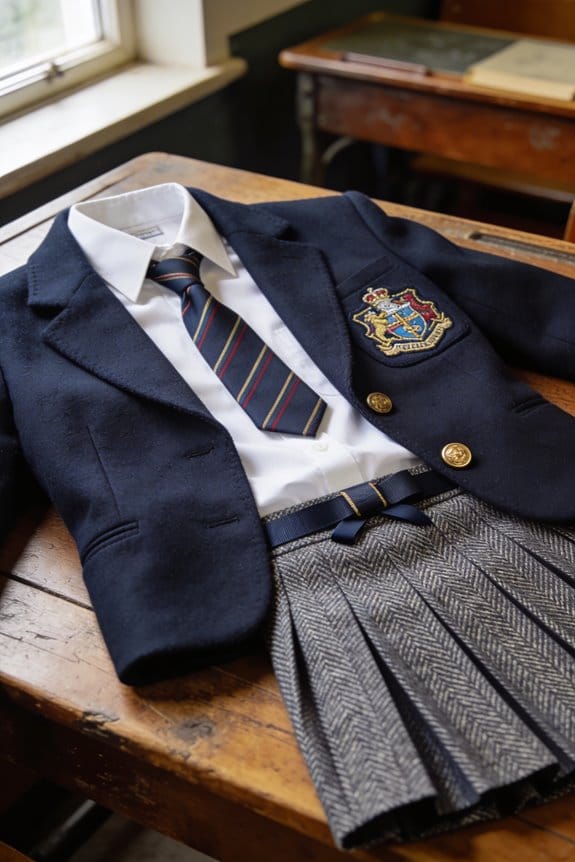
Have you ever wondered why schools have uniform policies? It’s not just about looking sharp; there’s a rich history behind those blazers and ties. The first school uniforms in England popped up back in 1222, thanks to the Archbishop of Canterbury. This early uniform wasn’t just for show—it represented modesty and paved the way for future policies.
Fast forward to the 16th century, and you’ll see Christ’s Hospital School making a big statement by dressing underprivileged kids in blue coats and yellow stockings. Talk about fostering equality! Over time, public schools took uniforms to the next level with more elaborate designs, which aimed to instill discipline and uphold a sense of tradition.
Today, uniform policies keep distractions at bay. They’re all about promoting equality among students, which is pretty important, right? The Department of Education backs this up and encourages schools to create uniform policies that fit their community’s needs. Uniforms also simplify daily routines and promote a sense of belonging within diverse student communities.
School Uniform Policies Across Europe: A Cultural Survey
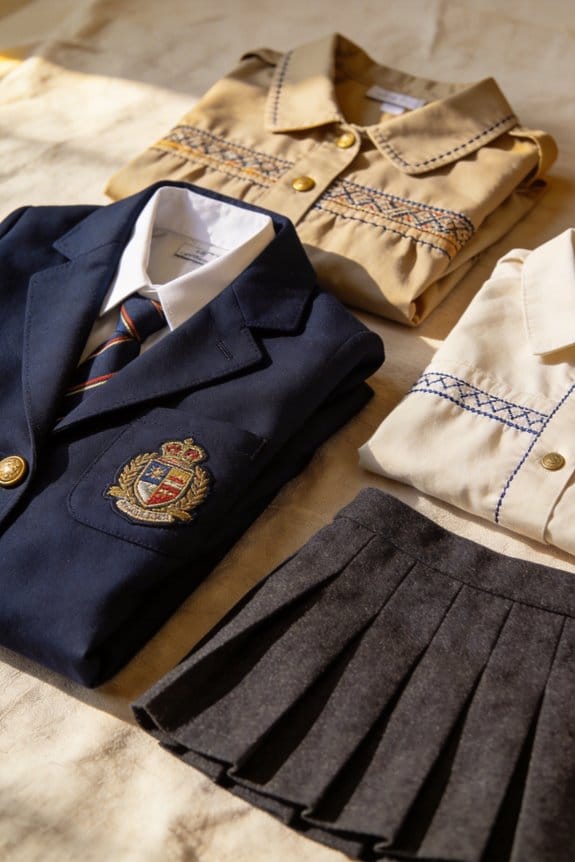
When it comes to school uniforms in Europe, have you ever wondered how culture influences what kids wear? It turns out, there’s a big mix of approaches that really shows the differences between countries. For example, in the UK, you’ll often see students in neat blazers and ties. This look isn’t just for show; it’s about creating a sense of professionalism among students right from the get-go.
On the flip side, if you look at France, you’ll find a real emphasis on individual expression. French schools usually have relaxed uniform policies that focus on simplicity rather than strict regulations. So, students can show off a bit of their personality through their clothing. Speaking of variety, Germany has a mixed bag of options. Public schools often let kids choose their own outfits, but private schools typically lean towards having uniforms.
Now, take a moment to picture Scandinavian countries like Denmark. They foster a chill vibe in schools without any mandatory uniforms in public education. This approach lets students feel more comfortable expressing themselves, which is pretty cool, right?
Meanwhile, in Eastern Europe—especially in places like Belarus and Bulgaria—mandatory uniforms are becoming more common. This shift is all about building a sense of identity and unity within schools. So, why does this matter? When schools think about uniform policies, they’re not just deciding what kids will wear; they’re shaping a part of the school culture and community.
It’s interesting to note that just like the way clothing can express identity in schools, customization options in apparel allow for personal touches that make clothing more meaningful for the wearer.
These varied traditions in school attire can really help when you’re considering what stance your own school might take on uniforms. Whether you prefer the formal feel of the UK or the freedom found in France, there’s certainly a lot to think about. It’s all about finding the right balance that fits the values of your school community. So, what do you think—should uniforms be a part of your school’s identity?
The Global Spread of School Uniforms: A Cultural Exchange
Ever wondered why school uniforms are such a hot topic? It seems like every school has its own take on them, but there’s a lot more going on under the surface. Originally from England, the concept of uniforms has spread like wildfire, morphing through cultural exchanges around the globe. Take Ghana, for example. Their lively uniforms are a beautiful nod to national pride, while Japan adds a twist, combining military styles with its own traditions.
When you’re faced with picking out uniforms, think about what represents your values. It’s not just about looking good; it’s about making everyone feel like they belong. So, why does this matter? Today, many schools are stepping it up by offering gender-neutral options and making accommodations for religious attire. It’s all about inclusivity and ensuring every student has the chance to fit in comfortably.
Think about practical choices too. The best part is that comfort doesn’t have to be sacrificed for style! You want attire that makes your life easier—like breathable fabrics that can handle a day of learning (and maybe a bit of play). As you sort through the options, focus on what makes you and your peers feel united. Remember, it’s about building a safe and welcoming environment for everyone. Choosing materials with breathable fabrics similar to those recommended for baby clothing can also improve comfort throughout the school day.
Asian School Uniform Traditions: Balancing Modernity and Heritage
Have you ever thought about how school uniforms can reflect a culture? Asian countries have some fascinating traditions when it comes to uniforms, blending modern trends with their unique heritage. Let’s dive into a few noteworthy examples.
In Japan, students rock seifuku uniforms. These outfits aren’t just about style; they stand for school pride and identity. Girls typically wear those classic sailor-style tops, while boys sport military-inspired looks. It’s a great way for students to show off where they belong.
Moving over to South Korea, uniforms are designed to adapt to changing seasons. Lighter fabrics keep students cool in summer, and warmer options come into play during winter. This variety promotes a sense of community, as everyone bundles up or cools down together. Have you ever noticed how uniforms can create a bond among peers?
Now, if we take a look at India, the diversity in school uniforms is incredible. They vary widely, reflecting local cultures and traditions. This not only enhances identity but also makes each school feel special in its unique way.
Bhutan takes a different spin by requiring uniforms that showcase the national dress. Including traditional attire in daily education helps students feel connected to their roots and heritage. It’s a meaningful approach that brings a sense of pride to the school environment.
Finally, in China, school uniforms have shifted from military designs to a mix of modern styles. While the look has evolved, local influences remain strong, keeping that tie to cultural roots alive.
Ultimately, these choices matter. They connect students with their heritage while adapting to modern times. So, isn’t it fascinating how something as simple as a uniform can carry so much meaning? What the best part is—it can even instill a sense of pride and belonging in students. Many of these uniforms also balance comfort and style, ensuring students feel good while representing their schools.
School Uniforms in Africa: Cultural Significance and Heritage
Have you ever thought about the significance of school uniforms in Africa? They do more than just create a uniform look; they reflect cultural heritage and identity in powerful ways. Take Ghana, for example. The school uniforms there are often colorful and designed with local traditions in mind. This not only makes the students stand out but also helps keep them safe by making them clearly visible.
In South Africa, the conversation around uniforms is changing. Schools are beginning to embrace the diverse backgrounds of their students, striving for a sense of unity while respecting individual cultures. This blend of understanding and tradition is really important, especially in a place with such a rich history.
Many African nations, like Benin and Burkina Faso, have made school uniforms mandatory. This isn’t just about looking smart; it’s about fostering discipline and creating a sense of community among students. Here’s the trick: when everyone wears the same uniform, it can minimize distractions and help students focus more on learning rather than on competition over clothing.
Botswana is taking it a step further by promoting equality in education through local production of uniforms. Supporting local businesses not only helps the economy but also instills a sense of national pride. Honestly, this approach connects students to their culture in a tangible way, reinforcing the idea that education can go hand-in-hand with local traditions.
So, why does this matter? These uniforms symbolize much more than just clothing; they create connections to cultural values and influence how students experience education. Each stitch tells a story and represents a community’s pride. Schools also benefit from durable fabric choices that maintain quality and safety despite frequent washing.
To wrap it up, school uniforms in Africa are about culture, safety, and community spirit. They embody the heritage of each nation and provide students with a sense of belonging. Have you ever considered the stories behind the uniform your favorite school wears?
The Evolution of Uniform Policies in the Americas
Have you noticed how student dress codes can spark a lot of conversation? Uniform policies in schools across the Americas have really changed over the years, and it’s fascinating to see how these shifts mirror our growing understanding of education and equality among students.
Back in the day, in the United States, school uniforms were pretty much just for private and parochial schools until the 1980s. Then something interesting happened in Long Beach, California. In 1994, they launched a uniform program that saw crime rates drop by an impressive 36%. That’s a huge win for the community! These days, many public schools are jumping on the bandwagon, opting for uniforms voluntarily. It turns out these policies help with student behavior and create a more focused learning vibe.
What’s the trick behind this? By implementing uniform requirements, schools can cut down on distractions and help kids get into a better mindset for learning. Parents, consider how a consistent attire can promote values like equality, unity, and discipline among our kids. It’s about more than just looks; it’s about fostering an environment where every student feels like they belong.
So, why does this matter? Well, when kids wear the same uniforms, it can ease pressures to fit in based on clothing choices. Frankly, when everyone’s dressed alike, it can boost a sense of community and lessen competition over style.
At the same time, choosing school uniforms made from comfortable and durable materials can make a big difference in students’ daily experiences.
At the end of the day, it’s about creating a positive space for students. So, whether your school has uniforms or not, think about how you can encourage a culture of unity and focus among children. What are your thoughts on school uniforms?
What Are the Current Debates Surrounding School Uniforms?
What’s the deal with school uniforms? It’s a topic that sparks a lot of debate these days. On one side, you’ve got people who say uniforms kill individuality and creativity. They worry that kids can’t express themselves when they all look the same. On the flip side, some folks believe uniforms help create a sense of belonging and can lessen the gap between students from different economic backgrounds. This might even lead to a better school environment altogether.
Here’s something to think about: How can schools create uniform policies that truly reflect the diverse identities of their students? This includes options for gender-neutral styles or accommodating religious attire. It’s all about making sure every student feels included and respected.
Then there’s the money issue. Some families think uniforms are a smart financial choice compared to the endless spending on trendy casual clothes. Others, though, feel that buying uniforms is just another expense stacked on their already tight budgets. It’s a tricky balance, for sure.
So, how do schools tackle these concerns? They need to listen to both sides and find a solution that acknowledges everyone’s thoughts. The best part is, there’s no one-size-fits-all answer. Each school can figure out what works best for its community.
In the end, it’s all about creating an environment where every student can feel comfortable and accepted. What are your thoughts on school uniforms? Have you had any experiences that shaped your opinion?
It’s worth considering that choosing durable fabrics for uniforms can help ensure they withstand daily wear and reduce overall replacement costs.
How Do Schools Benefit From Uniform Policies?
Have you ever noticed how clothing can set the tone for a school day? It’s amazing to see the differences in how students express themselves through fashion, but sometimes that creates a divide that can be hard to bridge. That’s where school uniform policies come in, and they can actually make a big difference in the school environment.
When everyone is dressed alike, it can erase obvious economic differences that come from varied clothing styles. This sense of equality really fosters unity among students. It’s a simple way to help everyone feel included and part of the same team, boosting school spirit in the process. Think about the last time you saw a pep rally—how energizing it is when everyone’s in the same colors!
Another point to consider is discipline. Studies show that uniforms have the potential to reduce behavioral issues. For example, after the Long Beach Unified School District implemented a uniform requirement, they reported a notable decrease in crime rates. So, why does this matter? Well, when students aren’t worrying about what they wear, they can put more focus on their studies and what really counts in school.
You might also be wondering about the pressure that comes with keeping up with fashion trends. Let’s face it, trying to outdo each other can be exhausting. With uniforms, that pressure often disappears. Students get to express their individuality in other ways, like through their interests and talents, rather than their clothing choices.
In some schools, students even wear classic pieces like argyle sweaters as part of their uniforms, which balance tradition with style.
Why School Uniforms Continue to Thrive in Education Systems
What’s the deal with school uniforms? If you’ve got a teen or are a student yourself, you might wonder why so many schools stick to this dress code. The truth is, uniforms really address a lot of challenges that come up in education.
First off, there’s something about wearing a uniform that brings a sense of togetherness among students. It helps create a community vibe—you know, that feeling of belonging. This can be especially crucial in high schools, where the pressure to keep up with fashion trends can be intense. Think about it: instead of stressing over what to wear every day, students can focus on their studies and personal growth.
Here’s the trick: uniforms also promote respect and discipline in the classroom. When students dress similarly, it levels the playing field and helps minimize social competition. You might ask yourself, “So, why does this matter?” It matters because when everyone feels equal, it can lead to better learning environments.
Another great aspect of uniforms? They can still be stylish. Brands like Tommy Hilfiger offer options that let students express their personal style during special events, while still showing off their school spirit. This way, students can feel confident without sacrificing their identity.
In addition, choosing uniforms made from comfortable fabrics ensures students can stay focused and comfortable all day long.
In a nutshell, school uniforms bring a sense of unity, reduce fashion stress, and can actually foster a respectful academic atmosphere. Do you think uniforms could make a positive difference in your school?
Frequently Asked Questions
What Materials Are Commonly Used for School Uniforms Worldwide?
We see cotton blends, polyester fabrics, wool blends, and performance materials often in school uniforms. Eco-friendly options exist, too, offering color variations while meeting durability standards and comfort considerations for students’ daily wear.
How Do Parents Feel About School Uniform Policies?
Like a double-edged sword, parents’ feelings about school uniform policies vary. We consider parental perspectives, financial implications, community support, and cultural influences while weighing emotional responses against educational benefits and policy effectiveness, seeking the best for our children.
Are There Any Notable Trends in Uniform Design Today?
Today, we’re seeing modern styles influenced by diverse cultures, incorporating vibrant color palettes and gender-neutral options. Sustainability trends and technological advancements drive inclusive designs, while regional variations reflect local identities and student preferences.
What Challenges Do Schools Face When Implementing Uniform Policies?
We face several uniform policy challenges, like cultural resistance, cost concerns, and enforcement issues. Additionally, we must consider student comfort, inclusivity, academic impact, and the importance of parent involvement to create effective policies together.
How Do Students Express Individuality Within Uniform Guidelines?
We express individuality within uniform guidelines through personalized accessories, unique hairstyle choices, seasonal modifications, creative color combinations, expressive footwear, themed days, and distinct backpacks adorned with pins and badges that showcase our personalities.