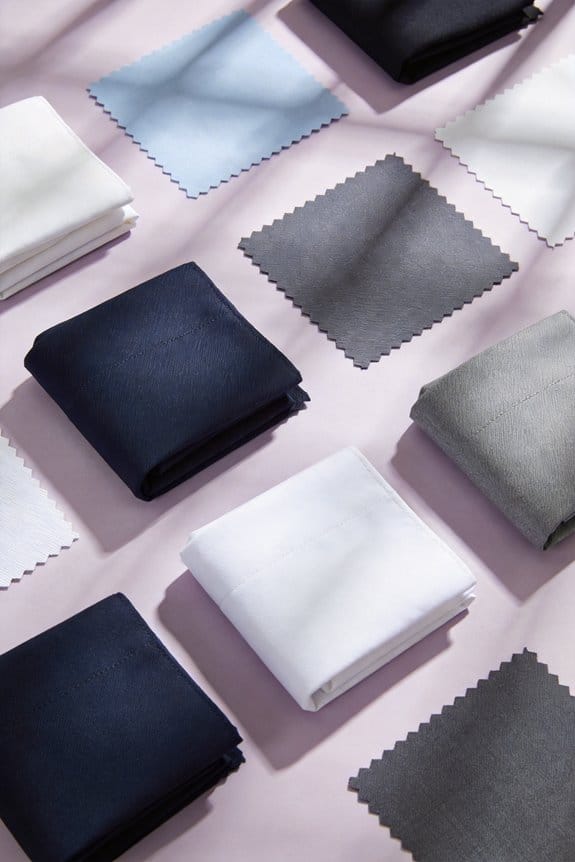

When we choose uniform materials, fabric blends are essential for resisting wrinkles. Cotton-polyester blends work well because they offer softness and durability while managing moisture effectively. Rayon blends are another great option, known for breathability and comfort during long shifts. For maximum wrinkle resistance, synthetic fibers like polyester are reliable. By selecting blends tailored to specific industries, we improve employee satisfaction and maintain a professional appearance. Let’s look closer at some top fabric choices suited for various work environments.
Key Takeaways
- Cotton-polyester blends (usually 65% polyester, 35% cotton) offer excellent wrinkle resistance, softness, and durability, making them ideal for uniforms.
- Synthetic fiber blends like polyester and nylon enhance wrinkle resistance and comfort due to their molecular structures.
- Twill fabrics are durable and maintain their shape, contributing to a professional appearance with minimal ironing required.
- Rayon blends provide breathability and moisture-wicking properties, making them suitable for long hours of wear with low maintenance.
- Heavy-duty polyester blends are essential for industries like construction, where performance and wrinkle resistance are critical for work uniforms.
Why Fabric Blends Are Essential for Wrinkle Resistance
Have you ever pulled a shirt out of the closet only to find it crumpled and creased? It’s frustrating, especially when you’re rushing out the door. That’s where fabric blends come into play, making a world of difference in keeping your clothes looking sharp without the constant need for ironing.
When you mix natural fibers like cotton with synthetic ones like polyester, you’re setting yourself up for success in the wrinkle resistance department. These blends do a great job of smoothing out surfaces, which means less creasing over time. You can have that comfortable fit without sacrificing style, making them ideal for work uniforms. The best part? They typically hold their shape better than pure cotton, which can easily become a wrinkled mess.
Try this: look for clothes that feature a blend of polyester and cotton. You’ll find that they require much less maintenance compared to 100% natural fibers. Who wouldn’t want lower laundry demands? And let’s be honest, nobody enjoys spending their mornings battling with an iron.
So, why does this matter? Choosing the right fabric blends can save you time and hassle in your daily routine. Plus, you get to enjoy clothing that looks polished all day long. Many top-rated baby khaki pants utilize cotton blends for softness to ensure comfort and durability, demonstrating the practical benefits of fabric blends.
Wrapping it up, paying attention to your fabric choices can lead to a more stress-free wardrobe. Are you ready to make smart decisions when shopping for clothes?
How Cotton-Polyester Blends Work
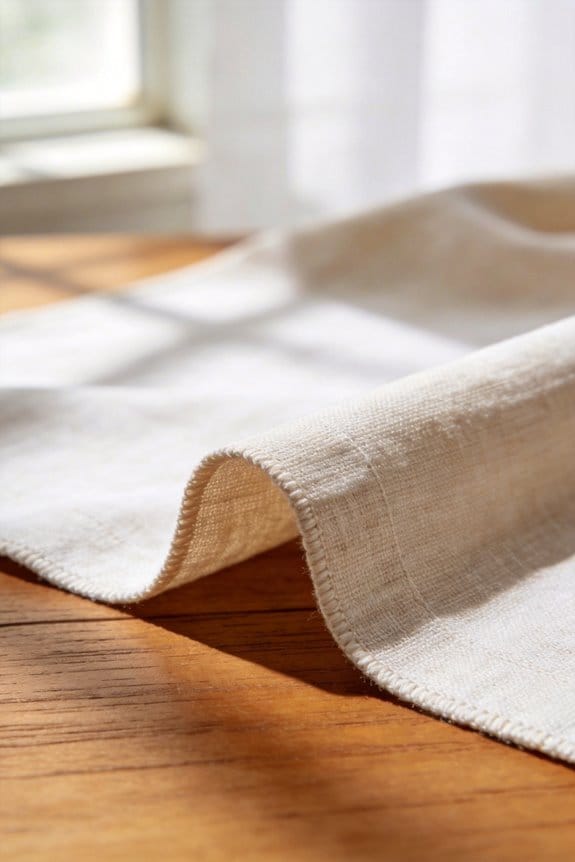
Cotton-polyester blends can be a lifesaver if you’re tired of dealing with uncomfortable clothing that needs constant maintenance. When you mix about 65% polyester with 35% cotton, you get a fabric that’s soft yet wrinkle-resistant. Honestly, who doesn’t want a comfortable uniform that looks good and stays fresh throughout the day?
These blends are great for managing sweat, too. If you’re in an active work environment, staying dry and comfortable is key. So, why does this matter? Well, it means you can focus on your tasks instead of constantly worrying about whether you’re looking polished or frumpy.
Plus, the durability of polyester helps the fabric hold its shape, which means fewer wrinkles and a crisp look from morning to night. Not to mention, this durability translates to a longer lifespan for your uniforms. You end up spending less on replacements and maintenance over time.
The best part is, embracing cotton-polyester blends means you’re opting for comfort without sacrificing style. When you’re out there doing your best, it helps to feel good in what you wear. So, next time you’re shopping for uniforms, consider these blends. They just might be the practical choice you didn’t know you needed.
For ease of care, many cotton-polyester blends are machine-washable materials, making maintenance simple and efficient. How do you feel about trying them?
What Makes Rayon Blends Great for Uniforms?
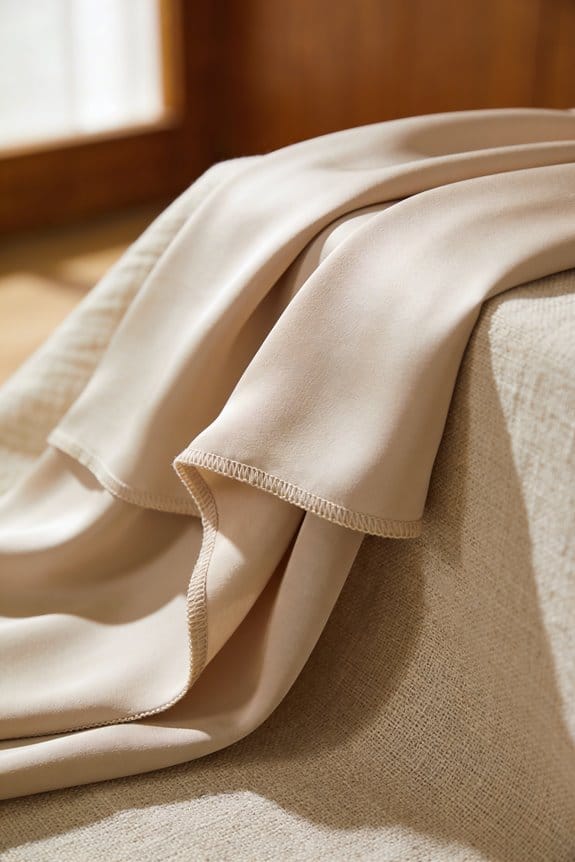
Ever find yourself sweating through your work shirt or staring down a wrinkled mess before a shift? If you’ve been in the uniform game for a while, you probably know how important it is to feel comfortable and look sharp at work. That’s where rayon blends come into play—they’re practically a dream for anyone who wears a uniform daily.
Rayon blends are not just about looks; they bring some real benefits to the table. For starters, they’re soft and breathable, which means you won’t feel stifled during those long hours. Plus, these fabrics often have moisture-wicking properties. So, not only do they help keep you dry, but they’re also pretty wrinkle-resistant. Imagine wearing something that looks good and feels great all day long—that’s what you get with these blends.
Now, durability is another significant perk. Many rayon blends are designed to hold up against the daily grind. They keep their color and shape even after multiple washes, which can save you from constant ironing and keep your professional appearance intact. You’ll appreciate not having to fuss over your clothes when it’s time to get to work. Their breathability and easy-care attributes are similar to qualities found in machine-washable materials, enhancing convenience for busy professionals.
How Synthetic Fibers Enhance Wrinkle Resistance
Have you ever had to deal with wrinkled clothes right before an important meeting or dinner? It’s the worst, isn’t it? Thankfully, synthetic fibers like polyester and nylon can save the day when it comes to wrinkle resistance in fabrics. These materials are built to resist wrinkling thanks to their unique molecular structure, which helps them keep their shape and avoid creasing.
Polyester is a standout here. It’s tough and known for its wrinkle-resistant qualities, making it a favorite for uniforms and work attire. Plus, when you mix synthetic fibers with natural ones like cotton, you can achieve a balance that enhances both comfort and wrinkle resistance. Think of cotton-polyester blends; they pack a punch for both practical and comfort needs.
So, what’s the secret? Treated synthetic fibers often need less ironing. That means less time spent battling creases and more time looking polished. Honestly, choosing uniforms made from these blends not only helps them stay looking fresh but also provides moisture-wicking benefits. This keeps you comfortable during busy workdays, making it easier to impress. Additionally, selecting fabrics with a high natural fiber content can improve comfort while maintaining durability and ease of care.
Top Fabric Choices for Wrinkle-Resistant Uniforms
Choosing the right fabric for wrinkle-resistant uniforms can feel overwhelming, especially when you need something that lasts and feels good. Have you ever found yourself in the middle of getting ready for work only to realize your shirts look like they’ve been balled up in the bottom of a suitcase? That’s where the right fabric choices come in.
Polyester is often the go-to for uniforms because it resists wrinkles so well, allowing you to look sharp with very little effort. Plus, if you’re looking for something soft yet durable, consider cotton-polyester blends. These combine the breathability and comfort of cotton with the strength and wrinkle resistances of polyester.
Another solid option is twill fabrics made from synthetic blends. They not only hold up against wear and tear but also do a good job of staying smooth. Think about how nice it is to pull a shirt straight from the dryer without needing to iron it – such a time-saver!
Then there are permanent press fabrics. They’re designed to keep their shape and smooth appearance after washing. It’s a simple way to ensure you’re always looking professional without the fuss.
Now, don’t overlook natural fibers like lyocell or certain wool blends. These are not just fancy names; they offer a unique combination of wrinkle resistance and breathability. Whether you work in an office or spend your day on a factory floor, these fabrics can keep you comfortable while you go about your tasks.
It’s also important to consider fabric quality and safety, as materials that are high-quality and non-irritating contribute significantly to the durability and comfort of uniform fabrics.
100% Polyester vs. Blends: Which Is Better for Workwear?
Have you ever found yourself standing in front of your work closet, wondering what’s best for those long hours on the job: 100% polyester or a polyester blend? It’s a real dilemma. While 100% polyester uniforms do a great job resisting wrinkles, they can feel a bit stiff and not as comfy as you’d like.
Polyester blends, especially those mixed with cotton, give you the best of both worlds. They’re soft and durable—perfect for those days when you’re on the move. A polyester-cotton blend, for example, provides that cozy feel of cotton but also adds some wrinkle resistance. This means you can wear them for long shifts without looking like you just rolled out of bed!
Here’s the trick: polyester also has moisture-wicking properties, which means it helps keep your uniform looking clean by reducing sweat marks. But, be aware! Blends can require a bit more care to keep them in good shape—think about pilling or wear over time.
So, what’s your priority? If comfort is your main concern, a polyester blend might be the way to go. But if you’re after something that stays crisp and neat all day, 100% polyester might serve you better.
In the end, it’s all about what you need for your work environment. It’s also helpful to consider material durability when selecting your uniform fabrics, as some blends offer greater resilience for everyday wear and tear. What do you think fits your job best?
Tips for Maintaining Wrinkle Resistance in Uniforms
Are you tired of dealing with wrinkled uniforms after a long day at work? It’s a common struggle, but keeping your uniforms looking sharp doesn’t have to be a hassle. Here are some practical tips to help you maintain wrinkle resistance so you can look and feel your best.
First off, think about the fabric. Go for blends like polyester-cotton. They not only boost durability but also have a knack for resisting wrinkles. Another simple step is to hop to the dryer as soon as the cycle ends. Pulling your uniforms out right away stops those pesky creases from forming.
What’s next? When your clothes are still a bit damp, hang them flat or on hangers. This little trick can really limit wrinkles while they finish drying. If you have uniforms that got the wrinkle-resistant treatment, remember to use low-heat when ironing or steaming them. Trust me, this helps keep the treatment effective and your fabric safe.
Ever notice how heavier fabrics like twill or thicker blends resist wrinkles much better than lighter ones? By choosing heavier weight materials, you’re setting yourself up for success in the wrinkle department.
Additionally, fabrics that incorporate spandex for better stretch tend to maintain smoother appearances because they recover well from creasing.
Just to recap, picking the right fabric, removing clothes promptly from the dryer, and using a bit of heat wisely can work wonders in combatting wrinkles. So, what’s your go-to tip for keeping clothes looking fresh?
Best Fabrics for Specific Industries
Choosing the right fabric can seriously transform how uniforms hold up in different jobs. Ever notice how scrubs can feel comfy yet still look professional? For the healthcare industry, think about polyester blends with moisture-wicking features. They’re not just about comfort; they also resist wrinkles, which is a big win when you’re on your feet all day.
In hospitality, staff needs to look sharp while also feeling good. A lightweight cotton-polyester mix does the trick here. It breathes, it lasts, and it helps everyone maintain that polished appearance—essential when you’re serving guests who expect the best.
Retail uniforms? You might want to steer towards cotton-rich fabrics. Adding a bit of polyester is a smart move because it boosts wrinkle resistance and helps the clothes last longer. You don’t want customers seeing your team looking less than stellar, right?
For those in construction, it’s all about heavy-duty materials. Try some tough polyester or nylon blends. They really hold up against the wear and tear of a demanding job while also resisting wrinkles. It’s about looking the part while getting the job done.
Now, if you’re in a formal business environment, you want a fabric that says “professional.” Wrinkle-resistant twill fabrics blended with synthetic materials can give you that polished, sophisticated look without all the fuss of constant ironing.
Additionally, just as in choosing baby outfits, fabric quality plays a crucial role in comfort and durability across industries, ensuring garments are breathable and easy to maintain.
Choosing the Right Fabric Blend for Your Industry Needs
When it comes to picking the right fabric blend for your workplace, it’s not just about how it looks—functionality is equally important. Think about the daily wear and tear fabrics face. For many jobs, especially in fast-paced environments, a polyester-cotton blend does wonders. It keeps its shape, fights wrinkles, and doesn’t fade quickly. If you’re in hospitality or retail, a 65/35 blend is a solid choice. It offers a great balance between comfort and style, making you look sharp while you work.
Need something that allows for easy movement? Fabrics blended with spandex can really boost flexibility, which is super handy in healthcare or active jobs. You want to feel unrestricted, right? In settings that lean towards the formal side, look for cotton blends with around 80% polyester. This combo keeps you looking crisp without feeling stiff—who wants that?
And don’t overlook the weave. Twill weaves can add extra durability and wrinkle resistance, which is perfect for those tough jobs. You might often ask yourself, “So, why does this matter?” Well, the right fabric isn’t just a small detail; it shapes how you present yourself professionally.
Honestly, taking the time to choose the right blend can make a big difference in your comfort and your overall professional image. Many uniforms made with twill fabric also feature elastic waistbands for enhanced comfort and ease of movement. Keep these tips in mind, and you’ll be set! What fabric blend have you found works best for you?
Emerging Trends in Uniform Fabric Blends
Ever find yourself soaking through your uniform during a long shift? You’re not alone. As the demand for more functional and comfortable uniforms grows, the fabric blends used are changing too.
Blended fabrics like polyester-cotton really strike a balance. They’re soft, strong, and resist wrinkles—perfect for a busy workday. But if you’re in a high-energy job, you’ll want something that manages moisture, which is why polyester is taking the lead in those high-performance uniforms.
Another fabric trend I’m seeing is Tencel blends. These are great because they’re naturally breathable and super comfy—ideal if you’re spending hours in your work attire. If sustainability is on your radar, look for options like recycled polyester or organic cotton. They’re not just good for the planet; they also tend to wrinkled less, which is a win-win!
And don’t overlook fabrics with spandex. They provide extra flexibility, so you don’t end up tugging at your clothes every time you move. Honestly, who wants to fuss with their uniform when you’re focused on your job?
Choosing materials with sustainable practices also contributes to a healthier ecosystem and supports responsible production.
Embracing these fabric trends can make a big difference in how comfortable you feel during a shift. So, what’s your favorite fabric blend for uniforms?
Frequently Asked Questions
What Fabrics Resist Wrinkles Best?
Wrinkle resistant fabrics like polyester and cotton-polyester blends are perfect for travel. We love using ironing alternatives like steamers and following fabric care tips to keep our clothes looking sharp and fresh without hassle.
Is 90% Cotton 10% Elastane Good?
Yes, 90% cotton and 10% elastane’s a fantastic choice! With durability concerns addressed, we enjoy stretch benefits, easier wash care, and great price comparison. It keeps us looking sharp and feeling comfortable all day long!
What Fabric Is Known for Its Wrinkle-Resistant Properties?
It is understood that wrinkle-free fabrics like polyester and lyocell are excellent choices. By using innovative fabric treatments, we can simplify clothing care while enjoying the benefits of advanced textile innovations that keep our uniforms looking sharp.
What Are the Best Non Wrinkle Clothes?
The best non-wrinkle clothes include wrinkle-free garments made from travel-friendly materials like polyester blends or twill. They offer fabric durability without complicated care instructions, keeping us looking sharp and ready for anything!