

When choosing rain gear, understanding waterproof and water-resistant ratings is vital for our safety and comfort. Water-resistant gear can handle light moisture, making it suitable for quick outings. However, waterproof gear is necessary for heavy rain; look for ratings over 10,000 mm for serious downpours. Checking for features like sealed seams and breathability enhances our protection. Finally, learning how to maintain our gear guarantees it lasts. If you want to know more, there are key points we can explore together.
Key Takeaways
- Waterproof gear is rated above 5,000 mm for effective protection against heavy rain, while water-resistant gear can handle only light moisture.
- Ratings from 0-1,500 mm indicate water-resistant fabric, effective in light drizzle but inadequate for prolonged exposure to heavy rain.
- Gear rated 5,000-10,000 mm is suitable for heavy rains, while those above 10,000 mm offer extreme waterproofing for severe weather conditions.
- Sealed seams and DWR treatments enhance waterproof effectiveness, improving comfort and preventing leaks during wet conditions.
- Proper maintenance, including regular cleaning and inspection, is crucial for maintaining the waterproof qualities of gear over time.
How to Choose the Right Rain Gear: Waterproof vs. Water-Resistant?
When it starts pouring outside and you’re stuck trying to figure out what gear to put on, knowing whether to grab something waterproof or water-resistant can make all the difference. Honestly, if you’re facing heavy rain for an extended period, waterproof gear is a must. It’ll keep you dry when the downpour won’t quit. On the other hand, if you’re just heading out for a light drizzle or a quick walk, something water-resistant might do the trick just fine.
So, how do you know which one to choose? Pay attention to the waterproof ratings. Generally, anything rated 0-1,500 mm is considered water-resistant, which is good for those light showers. If you’re serious about staying dry, look for gear that boasts 10,000 mm or more for real waterproofing power. It’s also nice to look for breathable materials to avoid that uncomfortable, clammy feeling when you’re out and about.
Here’s the trick: check for features that boost performance. Sealed seams can make a big difference, keeping water from sneaking in at the stitching. Plus, a Durable Water Repellent (DWR) treatment is something to keep in mind, as it can improve your gear’s overall performance.
Truth is, if you want your rain gear to last, regular maintenance is key. That means reapplying that DWR coating and keeping your gear clean. It’ll help keep both waterproof and water-resistant items working well, so you stay dry and comfortable no matter what nature throws your way.
In the end, choosing the right rain gear boils down to understanding your needs. Are you facing torrential rains or just a light drizzle? Keep these tips in mind, and you’ll be ready to tackle whatever the weather brings. What’s your go-to gear for a rainy day? Remember, selecting gear with water-resistant and waterproof materials ensures both comfort and protection in all weather conditions.
What Does “Water Resistant” Really Mean?
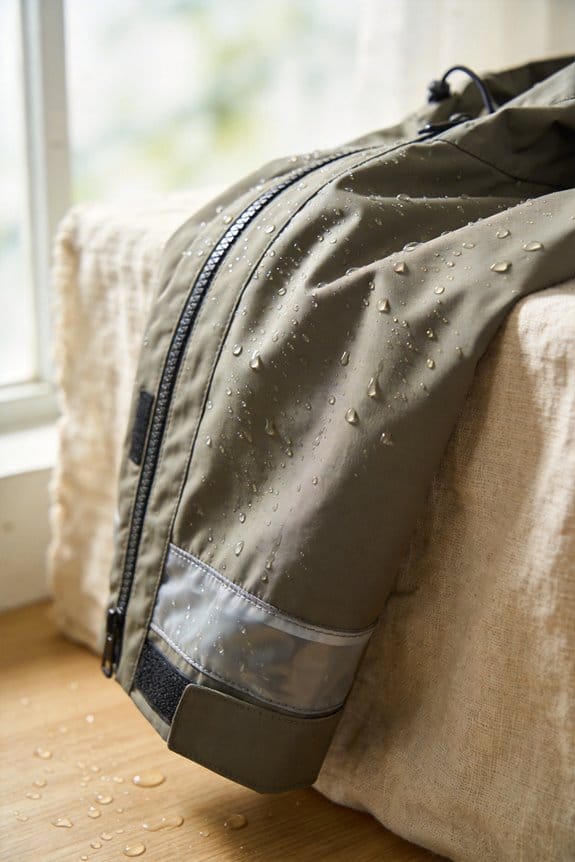
Ever been caught in the rain and wished you’d chosen better gear? Water resistance is a crucial factor to consider when you’re gearing up for outdoor adventures. It’s worth noting that water resistant clothing can handle a light drizzle pretty well, but if you’re facing heavy rain, you might be in for a soaking.
Here are some things to keep in mind:
- Water resistant fabrics are usually tightly woven and might have a DWR (Durable Water Repellent) coating to help shed light moisture.
- Despite these features, they won’t keep you dry if you’re exposed to wet conditions for too long.
So, why does this matter? If you know you’re heading out into potentially heavy rain, it’s smart to opt for waterproof gear instead. This way, you’ll stay comfortable and protected no matter what Mother Nature throws at you. A good waterproof jacket typically has a waterproof rating of at least 10,000mm H2O to withstand heavy rainfall.
Why You Need Waterproof Gear When It Rains?
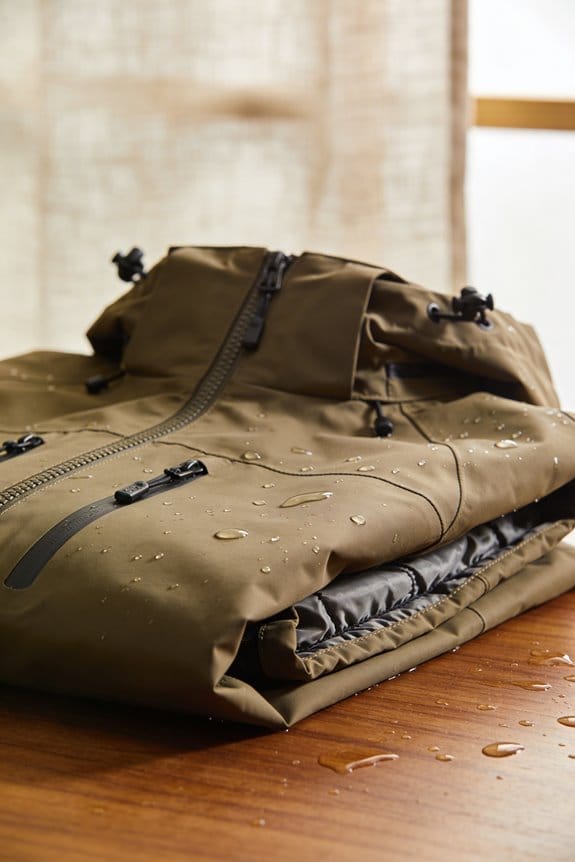
Ever been caught in a downpour without the right gear? It’s not a fun experience, trust me. When it’s pouring outside, having the proper waterproof gear can make all the difference between staying dry and feeling miserable.
If you’re just facing a light drizzle, water-resistant clothing might do the trick. But when it comes to heavy rain or wet snow, you really need waterproof gear to keep you comfortable. A good rule of thumb is to look for a waterproof rating of 10,000mm or higher. This rating ensures you’ll stay dry so you can focus on enjoying whatever adventure you have planned, instead of worrying about being soaked to the bone.
Make sure your gear is made from waterproof fabric and check for sealed seams. These features work wonders in keeping moisture at bay. Plus, choosing breathable materials is essential. Trapped humidity can make you feel clammy and uncomfortable, so this added breathability goes a long way in keeping you feeling fresh.
And don’t forget—waterproof gear isn’t a set-it-and-forget-it deal. You’ll need to do a periodic DWR (durable water repellent) treatment to keep it performing its best. It’s a small investment of time that pays off when you’re outside in challenging weather.
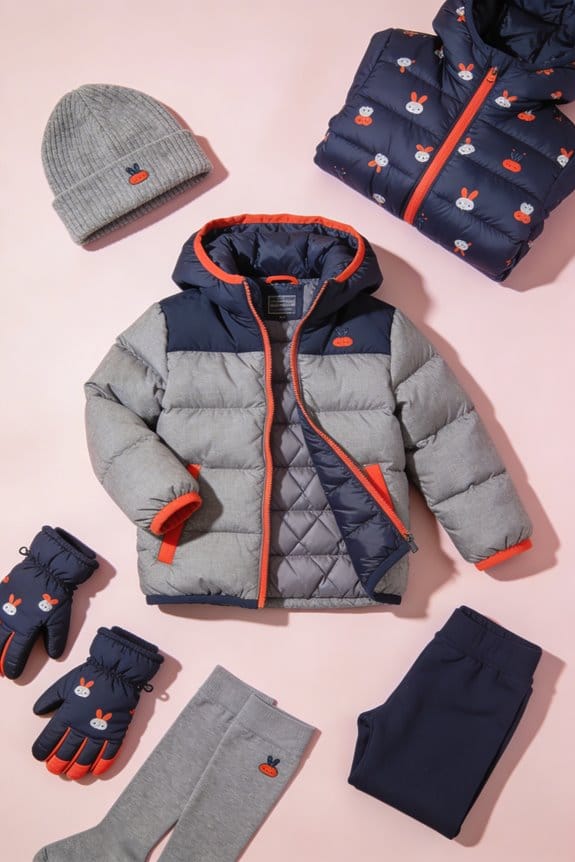
Additionally, features like hoods and elastic cuffs provide added protection and comfort during wear, especially for active children. This combination of features is crucial for effective waterproof protection.
How Do Waterproof Ratings Work?
Ever been caught in the rain and wished you’d worn better gear? It’s frustrating to find that what you thought was waterproof just doesn’t hold up. Understanding waterproof ratings can be key to keeping you dry and comfortable outdoors.
So, what do these ratings actually mean? They tell you how much water pressure fabric can take before it starts leaking, which is usually measured in millimeters. Here’s a quick rundown:
- 0-1,500 mm: Good for light rain.
- 1,500-5,000 mm: Handles moderate rainfall just fine.
- 5,000-10,000 mm: Solid for heavy rain.
Fabrics with ratings higher than 10,000 mm are some of the best out there for those torrential downpours. Plus, a Durable Water Repellent (DWR) coating can add extra protection, making your gear more water-resistant.
But here’s the catch: these ratings aren’t all created equal. Brands can be a bit loose interpretation, so doing your homework is crucial. Ever checked into regulations like EN 343? Compliance to these can really assure you of reliable waterproof clothing.
Additionally, just as care instructions are important for maintaining long-lasting enjoyment of garments, proper fabric care can extend the effectiveness of waterproof treatments.
With all this info in mind, you can make smarter choices about your gear. After all, who wants to be soaked through when you’re out enjoying nature? So, what will you wear on your next adventure?
What Key Features Should I Look for in Waterproof Gear?
When you head out into unpredictable weather, do you ever wonder if your gear can truly keep you dry? Having the right waterproof equipment can make a big difference in staying comfortable when the skies open up.
First off, keep an eye out for waterproof ratings above 5,000 mm. This level of rating is a solid indicator that your gear can handle heavy rain without letting water through. Sealed seams are another must-have; they’re the little details that prevent water from sneaking in through stitched areas, giving you that extra layer of protection.
A Durable Water Repellent (DWR) treatment on your gear is also worth considering. It helps water bead up and roll off, which means your gear stays effective longer and looks good even during downpours. So, why does this matter? Well, keeping your gear in good shape means you’ll be ready for your next adventure, rain or shine.
Breathability is something you shouldn’t overlook either. Materials like GORE-TEX are fantastic because they allow moisture to escape, which can help keep you dry inside. Nobody wants to feel like they’re wearing a sauna when they’re out hiking or camping!
For a little extra durability, look for gear that features advanced membranes and abrasion-resistant fabrics. This can really make a difference, especially if you’re planning to tackle rough terrains. Remember, reliable waterproof and water-resistant gear is key for those unexpected weather situations.
In addition, kids’ waterproof puffer jackets often combine insulation with waterproof exterior layers, making them perfect for keeping warm and dry during winter adventures.
To sum it up, picking the right waterproof gear is all about finding a balance between protection, durability, and breathability. Are you ready to gear up and face the elements?
How Can I Maintain My Rain Gear for Longevity?
Ever gotten caught in the rain and realized your gear just isn’t cutting it? Keeping your rain gear in top shape is just as important as picking the right stuff for those soggy adventures.
Cleaning your gear regularly is key to maintaining its waterproofing and breathability. Try this: use a mild detergent to wash away dirt and oils. It’ll help keep those materials working as they should. Don’t forget to inspect seams and fabric for any damage—those little rips can lead to unexpected leaks.
Reapplying a Durable Water Repellent (DWR) treatment is another essential step. This keeps the surface water repellent and stops fabric from becoming saturated. So, why does this matter? Because you want to stay dry, right?
After each trip, store your gear in a cool, dry place. Make sure it’s completely dry; it’s easy to forget but can lead to mildew, which is a total bummer. Following the manufacturer’s care instructions is also super important. Different materials need different treatments to keep them working well for years.
Also, assessing materials for durability and breathability helps ensure your gear stays effective over time.
In short, a little care goes a long way with rain gear. So next time you put away your jacket or pants, just take a moment to think: Are you doing enough to keep them ready for the next storm?
When Should I Choose Waterproof vs. Water-Resistant Gear?
Selecting the right gear for your outdoor adventures can really impact how dry and comfortable you feel. Have you ever been caught in a downpour, wishing you’d dressed differently? If you anticipate being out in heavy rain or wet snow for an extended period, waterproof gear is your best bet. It provides solid protection against moisture, so you stay dry no matter what Mother Nature throws your way.
On the other hand, if you’re just going out for a casual stroll and expect light rain, water-resistant gear will do just fine. Most of this type of gear comes coated with a Durable Water Repellent (DWR) finish, which helps keep rain at bay for short periods.
Now, let’s break down those waterproof ratings, which can get a bit confusing. Here’s a quick guide:
- 0-1,500 mm: Water-resistant
- 1,500-5,000 mm: Suitable for moderate rain
- 10,000+ mm: Extremely waterproof, ideal for serious downpours
So, why does knowing these ratings matter? Understanding the difference means you can tailor your gear choices to the conditions you’ll face, allowing you to stay comfortable and protected.
The best part is that when you take the time to choose the right gear for the weather, you can enjoy your time outdoors much more. Remember, staying dry is key to having a good time!
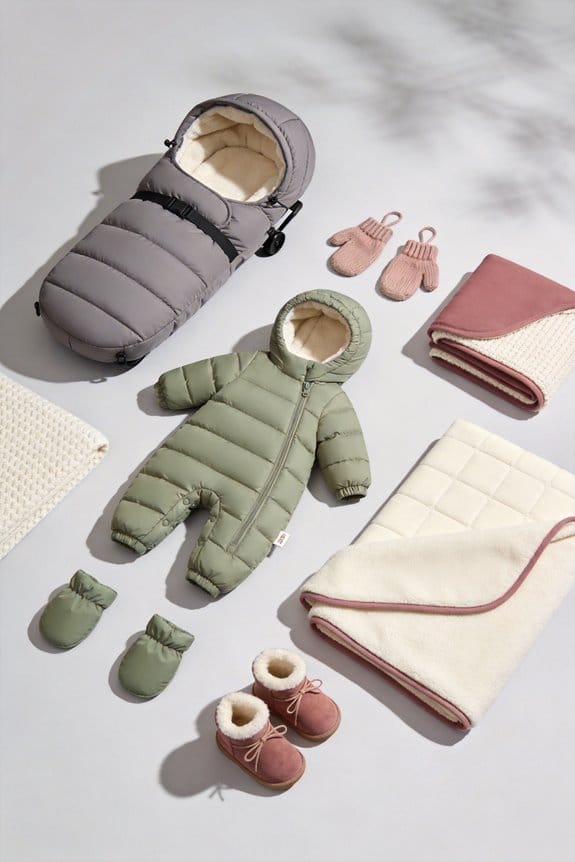
Also, when selecting gear for babies, considering the size and fit is essential to ensure comfort and prevent water from entering through gaps, as proper fit plays a crucial role in effective protection.
Frequently Asked Questions
Should a Raincoat Be Waterproof or Water Resistant?
We believe a raincoat should be waterproof for heavy rain. It’s essential to compare raincoat materials, waterproof coatings, and breathable fabrics, while maintaining them with layering techniques for optimum performance. Comfort ultimately matters!
Is a 1500MM Waterproof Rating Good?
A 1500mm waterproof rating’s decent for casual outdoor activities, but we should consider moisture penetration in heavy rain. It offers some raincoat versatility, yet testing methods show better options exist for intense weather conditions and fabric breathability.
What Is Better, Waterproof or Water Resistance?
For outdoor activities, waterproof materials generally outperform water resistance, especially in heavy rain. With gear rated above 10,000 mm showcasing superior durability, we should consider our needs and budget when buying rain gear for varying conditions.
What Is a Good Waterproof Rating for a Rain Jacket?
A good waterproof rating for a rain jacket is at least 5,000 mm. We’ve found that user reviews often highlight brand comparisons, considering seasonal use and price range, especially regarding essential rain jacket features and waterproof fabrics.