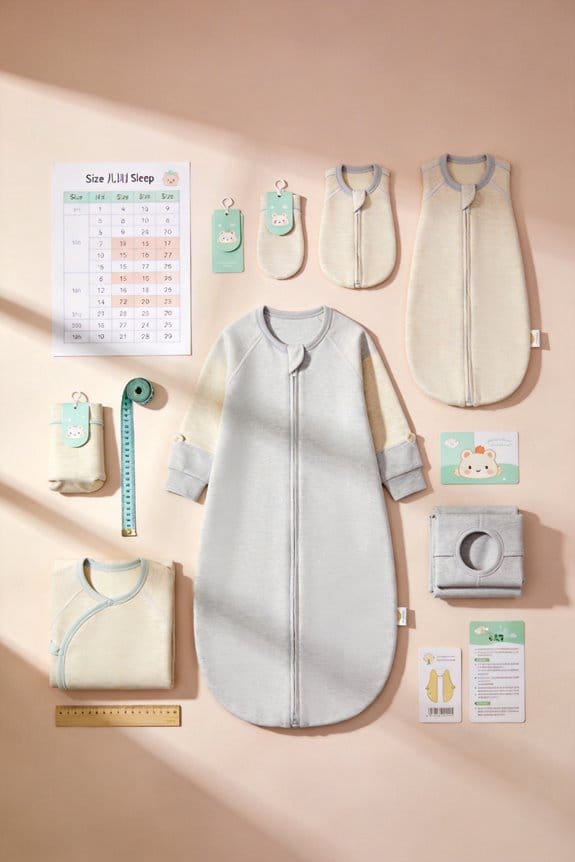

To tell if a sleep sack is too big, we should check the arm and neck openings. If we can fit two fingers comfortably in the armholes, it might be oversized. The neckline should sit on the collarbone and not slide over the mouth. Look for signs of discomfort, like bunching fabric near the face or a neckline riding up. Proper fit is essential for safety, and optimizing fit can prevent hazards. We can explore more fitting strategies next.
Key Takeaways
- Check armholes; if two fingers fit comfortably, the sleep sack may be too big and pose a tripping hazard.
- Ensure the neckline sits on the collarbone; if it lifts over the mouth or ears, it could obstruct breathing.
- Look for excess fabric; it can cover the baby’s face during sleep, increasing the risk of suffocation.
- Regularly assess fit; loose material may trap heat, leading to overheating and restlessness during sleep.
- Consult the manufacturer’s size chart; prioritize weight and height over age to find the safest and most secure fit.
Understanding the Risks of an Oversized Sleep Sack
Choosing the right sleep sack for your baby can feel a bit overwhelming, but it’s crucial for their safety. An oversized sleep sack might seem cozy, but it can actually create some serious risks. For instance, if it’s too long, it could become a tripping hazard as your little one starts to crawl or walk.
Think about the fit. Loose armholes can let your baby slide their arms inside the sack, which ups their chances of getting stuck or not moving easily. A neck opening that’s too big can creep up over their collarbone, causing potential breathing issues.
Try this: do regular fit checks to ensure your baby is snug and secure without being restricted. A good fit not only lowers the risks of suffocation but also keeps them from rolling into positions that could be unsafe during sleep. So, why does this matter? Prioritizing risk awareness is really about giving your baby a safer sleep experience.
Additionally, selecting sleep sacks made from breathable materials can help regulate your baby’s temperature and reduce overheating risks.
In short, pay close attention to the fit of your baby’s sleep sack. It can make all the difference in keeping them safe and sound at bedtime. What do you think – is your baby ready for their next sleep sack?
How to Identify Gaps in Arm and Neck Openings
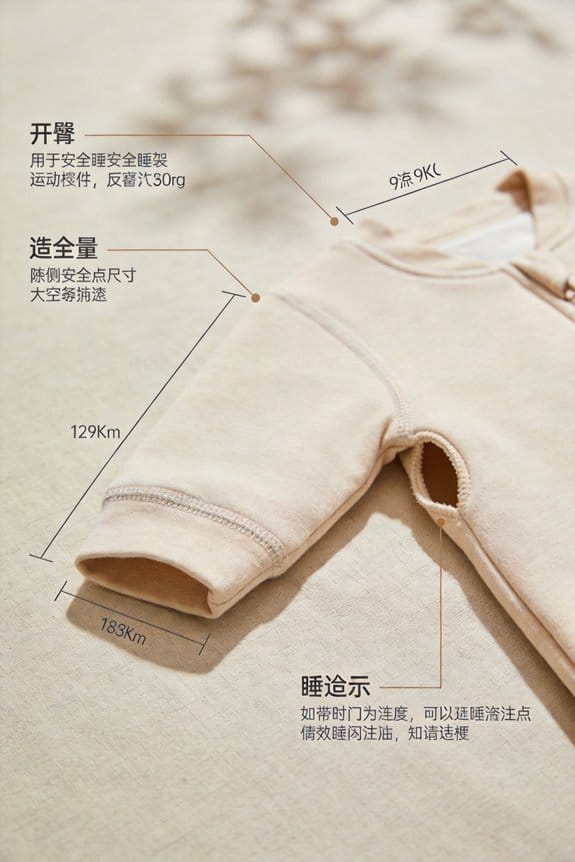
How often do you check your little one’s sleep sack for safety? It’s something that can easily slip our minds, but those gaps in the arm and neck openings can truly be a threat. You want to make sure those armholes hug your baby’s skin snugly—if you can fit more than two fingers in there comfortably, it’s time to consider a smaller size.
Now, what about the neck opening? If it rises above the collarbone or feels loose, that could spell trouble. A loose neck can create a suffocation hazard, which no parent wants to think about. Plus, if those armholes are too big, your baby’s arms might just slip out, paving the way for possible entrapment with excess fabric.
Regularly checking these aspects is crucial. After all, tight armholes and a well-fitted neck help ensure a safer and more comfortable sleep for your little one. Keep an eye on it—any issues you spot? They’re a clear sign for a size adjustment. Have you checked your baby’s sleep sack lately?
It’s a simple yet effective way to ensure their safety as they rest. So, why not take just a minute to look? Also, remember that choosing a sleep sack with the right size and growth adjustments can help maintain a snug fit as your baby grows.
Recommended Products

Premium fabrics for best comfort: Australian merino wool lining - 100% natural, luxuriously soft, and temperature regulating. GOTS certified organic cotton outer. Machine-washable.

REDUCE OR ELIMINATE SLEEPLESS NIGHTS - When baby sleeps better, so do parents.

#1 RATED Merino wool baby sleep sack – BEST-SELLING merino wool and organic cotton sleep sack since 2010, trusted by parents for safe sleep, comfort, and durability. Award-winning baby sleep bag (Creative Child Top Choice, Cribsie Award, Mom’s Choice Award)
Try the Snap Back Test: Is Your Sleep Sack a Good Fit?
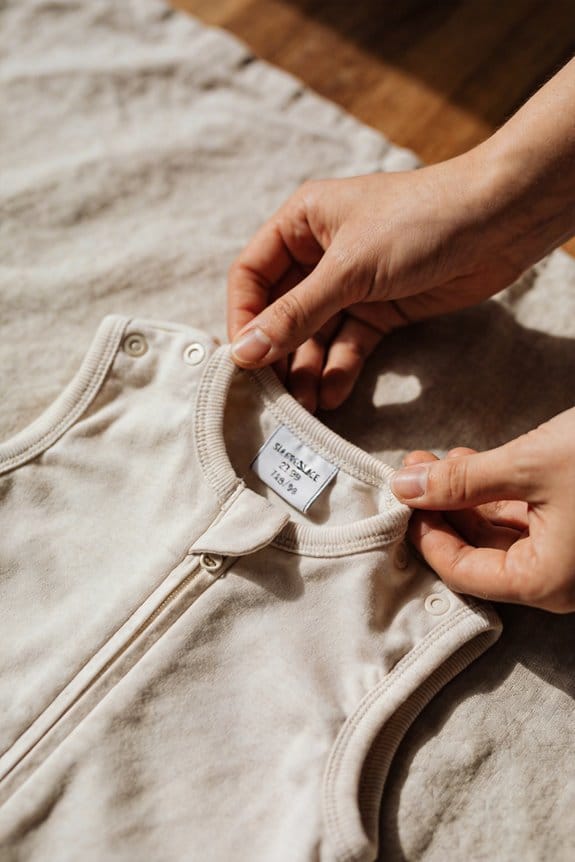
To make sure your baby’s sleep sack fits just right, there’s a simple trick called the Snap Back Test. Pull the neck opening gently away from your baby’s neck. If it doesn’t spring back into place, it’s probably too big. Ideally, the neckline should sit comfortably on their collarbone—keeping it away from their mouth and chin. If you can slide two fingers easily between the neck opening and your baby’s skin, it’s a sign you’ve got an oversized sack on your hands, and that’s a safety concern.
Now let’s talk about those armholes. They should be snug—not tight. If your baby’s arms can easily slip out, that’s another indicator that the sleep sack isn’t quite right. Regularly checking the fit is key, especially as your little one grows and you switch sizes.
So, why does this matter? Keeping your baby safe while they sleep is crucial. Making sure their sleep sack is the right fit can help prevent accidents and ensure everyone gets a good night’s rest. Also, choosing a sleep sack recognized for hip health helps support safe bone development while maintaining a secure fit.
In short, check that neckline and those armholes often. It’s a quick test that can give you peace of mind. Have you tried the Snap Back Test with your baby’s sleep sack yet?
Recommended Products

WARM: Thick channels of 100% RDS-certified down surround the child with warmth when temperatures drop. Internal baffles keep down from shifting and prevent cold spots.

The Big Baby Bundle: Includes three of Happiest Baby’s SNOO sacks in every size (Small, Medium, Large) plus, two additional fitted sheets—all made from 100% organic cotton!

MULTI-PACK: Includes three Long-Sleeve bodysuits
Recognizing Signs of Discomfort in Sleep Sacks
Recognizing signs of discomfort in sleep sacks is crucial for ensuring our babies sleep soundly and safely. It’s surprising how a simple fit issue can lead to big safety hazards. Pay close attention to how your little one settles in their sack.
If you notice the neckline lifting over your baby’s mouth or ears, that’s a definite red flag. This could pose a suffocation risk, and we don’t want that! Loose armholes can signal that the sleep sack is just too big. It’s all about finding that sweet spot where the sleep sack fits snugly without being restrictive.
Excess fabric around the neck or torso can also cause discomfort. Have you ever seen your baby squirm or toss and turn? This might mean the sleep sack isn’t quite right. Plus, if your little one struggles to move or kicks like they’re trying to swim, it’s a sign the sack may be oversized.
Regular checks are a must, especially after your baby hits a growth spurt. You want to make sure their sleep sack is still snug enough for safety and comfort. Choosing a sleep sack with adjustable features can help maintain a proper fit as your baby grows.
Is the Ear Test Reliable for Safety?
How can you make sure your baby’s sleep sack fits just right and keeps them safe? One handy trick is the Ear Test. It’s super simple: check that the neckline of the sleep sack sits snugly on your baby’s collarbone. If it slips up over their ears, you’re risking some safety issues. Oversized sleep sacks can be dangerous, as they might cover your little one’s face and block their airway, leading to breathing troubles.
So, conduct this test regularly as your baby grows. This way, you can ensure the sleep sack continues to fit snugly, reducing the chances of accidents during sleep.
Here’s what to keep in mind:
- A snug fit is essential – too loose equals too risky.
- Make this check a part of your routine as your baby hits those growth milestones.
Creating a safe sleep space is vital. By staying ahead of these potential hazards, you’re helping to create a secure environment for those sweet dreams. What safety checks do you have in place for your baby’s sleep routine?
Additionally, regularly assessing fit is important since sleep sacks are recommended for use until about 18 months or 30 pounds to maintain safety and comfort.
How to Monitor Sleep for Signs of an Improper Fit
What signs should you look out for that might mean your baby’s sleep sack isn’t the right size? You want it to fit snugly around the neck, but not so tight that it creeps up toward their chin or ears. This positioning could become a breathing hazard, and that’s definitely something to avoid.
Keep an eye out for any excess fabric. If there’s a lot of bunching around the waist or neck, it can lead to discomfort or even safety risks for your little one. Also, think about your baby’s age and how they move while they sleep. Are they tossing and turning a lot? Signs of restlessness or frequent wake-ups could hint that the sleep sack is messing with their comfort levels.
Regularly checking these signs is important. It can make a big difference in both their safety and sleep quality. Choosing a sleep sack with proper neck and arm openings can help ensure your baby’s comfort and safety. So, what’s your go-to method for ensuring your baby’s sleep wear fits just right?
Why Excess Fabric in Sleep Sacks Matters
Excess fabric in sleep sacks can lead to some serious safety issues for your little one that you may not have thought about. Have you ever considered how loose material can cover a baby’s face while they sleep? This is a suffocation risk that every parent should keep in mind. Not to mention, if the armholes are too big, tiny arms can get stuck inside the sack, making it hard for your baby to move. A baggy neckline can also ride up, possibly blocking their mouth or nose.
Let’s talk about overheating, too. Extra fabric can trap heat, making it tough for your baby to stay at a comfortable temperature. It’s crucial to aim for a snug fit without excess fabric to keep your baby safe and comfortable throughout the night. This way, they have enough room to move around while still following safety guidelines.
So, what can you do to avoid these issues? First, always check the fit of the sleep sack. Look for options designed to fit snugly but not too tight. You want it just right—enough room for their legs to wiggle, but not so much that it could become a hazard.
While it’s easy to get caught up in the adorable designs, keep those safety concerns front and center. Frankly, investing in a well-fitting sleep sack will help provide peace of mind as your baby sleeps.
In short, always prioritize safety when it comes to sleep sacks. Choosing sleepwear made from breathable, hypoallergenic fabrics can also help minimize risks associated with overheating and skin irritation. Have you found a brand or fit that works well for your baby?
Recommended Products

#1 RATED Merino wool baby sleep sack – BEST-SELLING merino wool and organic cotton sleep sack since 2010, trusted by parents for safe sleep, comfort, and durability. Award-winning baby sleep bag (Creative Child Top Choice, Cribsie Award, Mom’s Choice Award)

REDUCE OR ELIMINATE SLEEPLESS NIGHTS - When baby sleeps better, so do parents. Made with ultra-soft, breathable merino wool, this sleep bag provides ultimate comfort for deeper, longer sleep - so everyone enjoys more restful nights

Fit 6-18 Months. The baby infant sleeping bag is made of organic cotton, camel wool, and polyester. This product composition ensures the sleeping bag is durable, soft, wash-resistant, sun-resistant, and maintains its loftiness over time. It can be cold machine washed (<40 centigrade) in a gentle cycle. Low tumble dry. Iron at low temperature if necessary.
How Seasons Affect Sleep Sack Fit
As the seasons roll in and out, figuring out the right sleep sack for your little one can feel like a bit of a puzzle. Ever tried to find the perfect fit that keeps them cozy without overheating? It’s all about knowing how to balance warmth and breathability.
During those chilly winter months, going for a snug sleep sack is key. It traps heat and helps ensure a safe sleep environment. But when summer hits, it’s a whole different story. You’ll want to select lighter, more breathable options to keep your baby comfy and cool.
Now, about those TOG ratings you might have heard of? They can be your best friend in finding that just-right sleep sack for each season. Here’s a tip: think about how the changing temperatures play into your baby’s sleep environment. A loose sack in warmer weather could lead to kicking it off, which isn’t safe at all. Plus, excess fabric can complicate temperature regulation, so aim for the snugness without being too tight.
Sizing is another important piece of the puzzle. You want the sleep sack to have some room for movement but not so much that your baby can wriggle out or feel swamped. Truth is, keeping an eye on how the season changes affects not just comfort but safety, too. Choosing a sleep sack with breathable materials like 100% cotton can help maintain proper sleep temperature year-round.
Follow Size Charts: Ensuring Proper Fit
Finding the right size for a sleep sack can be a bit tricky, right? But let me tell you, it doesn’t have to be a nightmare! The key is to always check the manufacturer’s size chart. Pay special attention to the weight and height recommendations; they’re your best friends when it comes to getting a snug, safe fit.
A good fit means the sack should hug your baby’s chest and shoulders without being too loose. Loose armholes can be a real safety concern, and we all want our little ones to be safe while they sleep. So, instead of focusing just on age, make comfort and security your top priorities.
We all know kids grow like weeds, sometimes overnight! That’s why it’s smart to check the size chart regularly. When you stay on top of those measurements, you can ensure your baby can move freely in their sleep without risking their safety.
Here’s a little tip: compare the dimensions on the size chart to your baby’s current measurements. This simple check helps create a sleep space that’s both safe and comfy, promoting peaceful, restful nights.
Keep in mind that adjustable features in baby clothing can offer extended wear and ensure comfort as your infant grows.
What to Do If Your Sleep Sack Doesn’t Fit?
What do you do when your baby’s sleep sack just doesn’t fit right? It can be a bit of a hassle, but trust me, it’s super important to get it sorted out for your little one’s safety and comfort. You might want to start by measuring your baby’s height and weight to see how they stack up against the manufacturer’s size chart.
If you find that the sleep sack is too big, that could be a safety concern. A loose fit might mean the neckline can slide over their ears or even possibly cover their mouth. That’s not something you want. Keep an eye out for any signs that your baby isn’t comfortable, like restricted movement or the sack bunching up around their face.
If you spot any of these issues, consider returning or exchanging the sleep sack for one that fits better. Regularly checking the fit, especially after those growth spurts, can really make a difference in keeping your baby safe and comfy. Choosing sleep sacks made from organic materials can also enhance comfort and reduce the risk of allergic reactions.
Recommended Products

PREMIUM FABRICS FOR BEST COMFORT: Our Big Kid sleep sack, made with soft Australian merino wool lining and GOTS certified organic cotton outer, helps your child stay comfortably warm and cozy in all seasons. Machine washable

Premium fabrics for best comfort: Australian merino wool lining - 100% natural, luxuriously soft, and temperature regulating. GOTS certified organic cotton outer. Machine-washable.

REDUCE OR ELIMINATE SLEEPLESS NIGHTS - When baby sleeps better, so do parents.
Frequently Asked Questions
How to Know if a Sleep Sack Is Too Big?
To know if a sleep sack’s too big, we should check for proper fit, comfort, and breathability. Monitoring baby’s posture is essential; guarantee safe sleep environments, correct sizing, and appropriate changes for comfort and temperature control.
How to Tell if a Sleeping Bag Is Too Big for a Baby?
To tell if a sleeping bag’s too big for baby, we should check the sleep sack dimensions and adjust for proper fit, ensuring safe sleeping practices while considering fabric types and weight recommendations for temperature regulation.
What Is the 5 3 3 Rule for Baby Sleep?
Did you know that over 20% of infants struggle with sleep? The 5 3 3 rule offers essential infant sleep advice, emphasizing safe sleeping practices and ideal monitoring for comfort, aiding us during adjustments and moving to toddler stages.
How to Know if Baby Has an Outgrown Sleep Sack?
We can tell our baby’s sleep sack is outgrown by checking snugness around neck and arms, observing restless sleep, or noticing extra fabric. Following safe sleep guidelines guarantees our little one’s comfort and safety during all baby sleep stages.