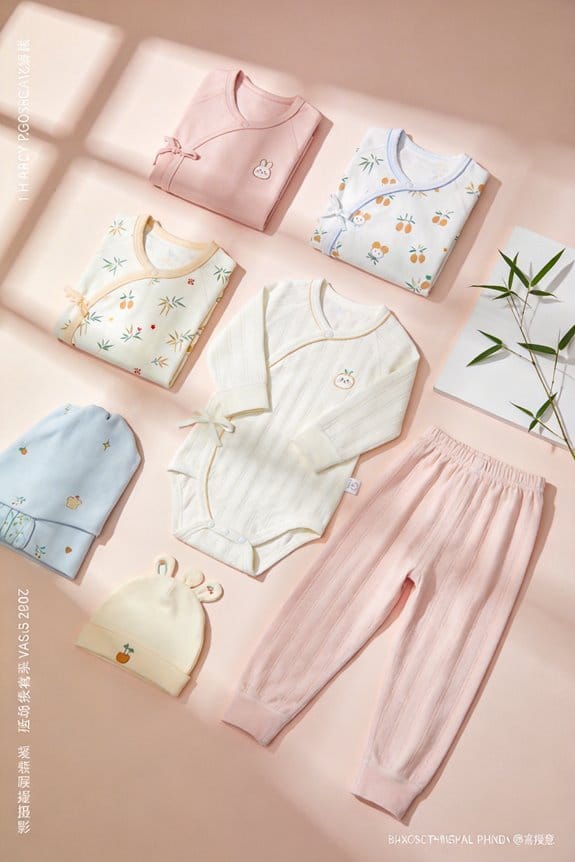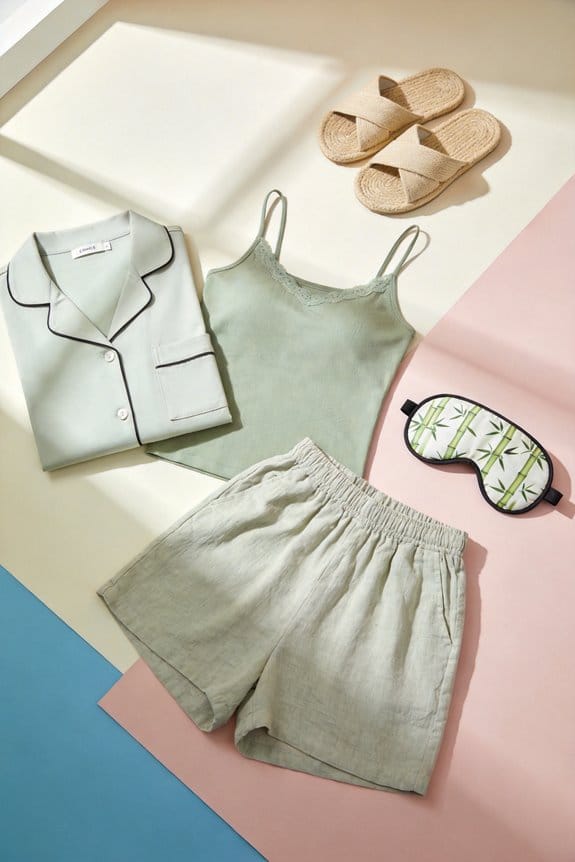
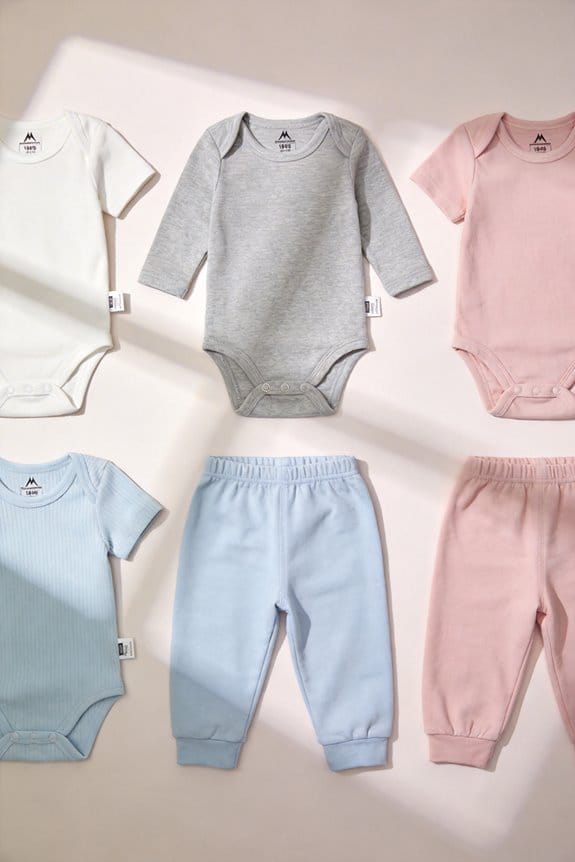

When choosing pajamas for our kids, we need to evaluate snug-fit versus loose-fit options. Snug-fit pajamas meet strict safety standards and reduce fire risk by providing a secure fit, while loose-fit pajamas often rely on chemical retardants. It’s important to check labels for CPSC compliance, ensuring they say “WEAR SNUG-FITTING, NOT FLAME RESISTANT.” This helps protect our children from potential hazards. Understanding these distinctions can lead us to make safer decisions for our little ones. There’s much more to know about selecting the best options.
Key Takeaways
- Snug-fit pajamas are designed to minimize air gaps, enhancing fire safety and meeting strict CPSC flammability standards.
- Loose-fit pajamas often rely on chemical flame retardants, which can be less effective than the snug-fit design.
- All children’s sleepwear must comply with the Flammable Fabrics Act, requiring either flame resistance or snug fit for ages 9 months to 14 years.
- Compliance testing labels confirm safety and adherence to regulations, ensuring pajamas are not overly baggy which can pose hazards.
- Look for sizes labeled in months and follow safety guidance, including the “WEAR SNUG-FITTING, NOT FLAME RESISTANT” instruction.
What Are the Key Differences Between Snug-Fit and Loose-Fit Pajamas?
When you’re picking out pajamas for your little ones, have you ever thought about how important the fit really is? Understanding the difference between snug-fit and loose-fit pajamas can make a huge impact on their safety and comfort.
Snug-fitting pajamas meet strict safety standards from the Consumer Product Safety Commission, so you can rest a little easier knowing they’re designed with flammability in mind. These PJs hug close to the body, which minimizes air gaps that could feed flames. In contrast, loose-fit pajamas often rely on chemical flame retardants to help resist fire, and honestly, that might not be as reliable. Since 1996, snug-fit options for kids under 9 months focus on safety through their fit rather than relying solely on chemicals.
So, what does this mean for you? By choosing snug-fitting sleepwear, you’re giving your child a safer option for bedtime while sticking to essential safety guidelines. It’s like a two-for-one deal: they not only look cute but also keep your mind at ease.
The best part is knowing that snug-fit pajamas can be cozy, too, without sacrificing safety. Additionally, many snug-fit pajamas use soft, tagless labels to prevent skin irritation while maintaining comfort and safety. So next time you’re shopping for sleepwear, keep these details in mind. After all, you want the best for your little ones, right?
Why Are Safety Regulations Critical for Children’s Sleepwear?
Are you concerned about your child’s safety while they sleep? It’s something all parents think about, especially when it comes to their sleepwear. Understanding safety regulations is key to making sure that the clothes our little ones wear at night are as safe as they can be.
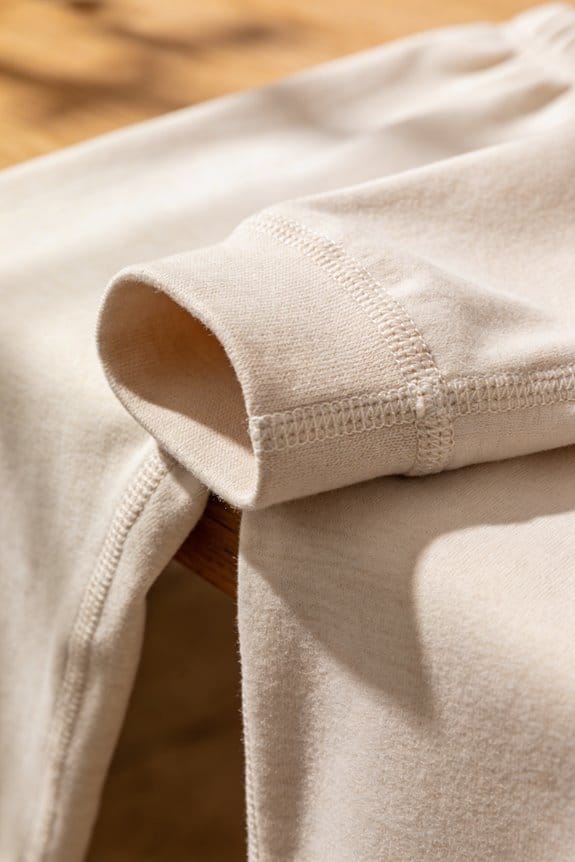
The Flammable Fabrics Act is one vital regulation. It ensures that children’s sleepwear meets specific flammability standards. For instance, if you have kids between 9 months and 14 years, their pajamas should either be flame-resistant or snug-fitting to help reduce the risk of fire. Snug-fitting sleepwear is designed to fit closely to the body, which limits air circulation and, in turn, lowers the chance of ignition.
Here’s the trick: always check for compliance testing labels when shopping for sleepwear. This testing confirms that the items you’re buying are safe and that only those meeting safety standards make it to store shelves. And flame retardants used in manufacturing provide another layer of protection. While the idea of chemicals might make you hesitant, these are specially formulated to help keep your child safe.
Additionally, flame resistance certifications provide reassurance that sleepwear materials meet rigorous fire safety requirements.
So, why does this matter? By choosing sleepwear that sticks to these regulations, you’re not just buying clothing; you’re helping to create a safer sleep environment for your child. It’s comforting to know you’re doing your part in ensuring your kids can rest easy without any worries.
In short, pay attention to the safety standards when picking out pajamas for your little ones. You’ll make evenings smoother and snuggly, knowing they’re safe. What steps are you taking to ensure your child’s sleepwear is safe?
CPSC Pajama Regulations: Key Standards for Fire Safety
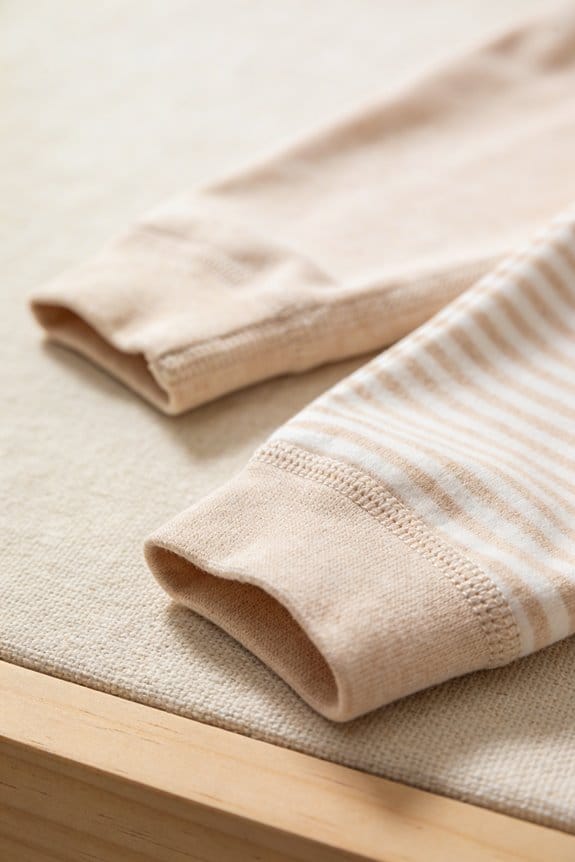
Keeping our kids safe while they sleep is something we all care about, right? When it comes to pajamas, there are some serious rules to think about—especially when it comes to fire safety. For kids over 9 months, CPSC guidelines state that pajamas should be either flame-resistant or snug-fitting.
Wearing snug-fitting pajamas is smarter than you might think. They fit closely to the body, which reduces those dangerous oxygen gaps. On the flip side, loose-fitting pajamas can allow for more airflow, potentially increasing the risk of fire hazards. Now, for the little ones, their sleepwear can be a bit looser, but that still doesn’t mean we throw safety out the window.
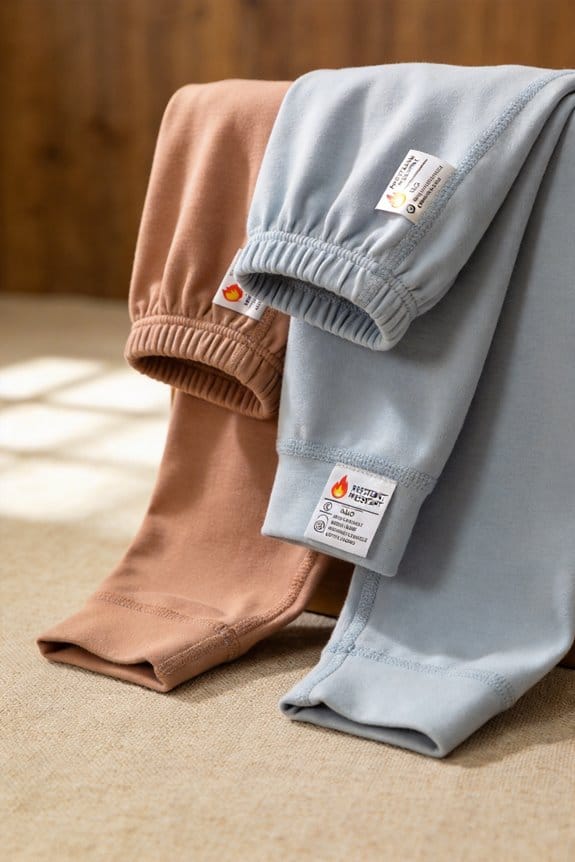
If you’re shopping for snug-fit pajamas, look for labels that clearly say, “WEAR SNUG-FITTING, NOT FLAME RESISTANT.” It’s also helpful to remember that these products need to pass specific flammability tests. So, why is this important? Well, ensuring compliance with these standards is a key step in minimizing burn injuries and keeping our kids safe.
The best part is that simply choosing the right type of pajamas can make a real difference in your child’s sleep environment. By focusing on safety this way, you’re doing a lot to protect those little ones during bedtime. Have you checked the safety labels on your child’s PJs lately? It’s worth a look!
Additionally, selecting sleepwear made from fabric blends with elastane or spandex can enhance comfort without compromising safety.
How Snug-Fit Design Enhances Fire Safety in Snug-Fit Pajamas
Choosing snug-fit pajamas for your kids is more than just a comfort choice; it’s a safety decision that can really matter. When pajamas fit closely against the body, they follow CPSC guidelines designed to reduce fire risks. You might wonder how that works—well, snug pajamas create fewer air gaps that flames can use to spread. This means there’s less oxygen circulating around, which helps prevent that scary Chimney Effect that happens with loose clothes.
Here’s what to look out for: snug pajamas must follow maximum size rules. This ensures they’re not too baggy, which could lead to all sorts of hazards. Plus, you won’t have to worry about chemical flame retardants, which is a huge plus. We all want what’s best for our kids, right? By picking snug-fit sleepwear, you’re putting your child’s safety first while they snooze.
So, how can you make sure you’re selecting the right pair? First, check if they meet those safety standards. Second, ensure they fit properly and are comfortable for your child to wear. The best part is that snug-fits come in a variety of fun designs, so your little ones can still express their style while staying safe. Additionally, choosing pajamas made from 100% organic cotton can enhance comfort and breathability while meeting safety requirements.
Consequences of Failed Flammability Testing for Pajamas?
When picking out pajamas for your kids, have you ever thought about what’s really inside those cozy fabrics? It’s not just about how they fit; safety is a huge deal too. If pajamas don’t pass flammability testing, they can’t be sold as children’s sleepwear. What happens next may surprise you. Often, those faulty pajamas end up getting destroyed or face a complicated process to meet safety standards.
Here’s the trick: if garments are reworked to meet safety requirements, they need to go through strict testing again to ensure they’re flame resistant. Keeping track of any failures should be a priority. Why? Because those records show you’re serious about safety, and they can protect you from scrutiny down the road.
Honestly, non-compliance with CPSC regulations can lead to hefty legal problems for manufacturers. We’re talking costly recalls and fines, which is a nightmare for any business. So, when it comes to pajamas, prioritizing safety isn’t just a good idea—it’s essential. By following these guidelines, you’re doing your part to keep our little ones safe and sound while they snuggle down in their pajamas.
In short, remember that safety testing is more than just a box to check off; it’s about protecting your children. So next time you’re shopping for those cute PJs, keep safety at the front of your mind. Don’t you want your kids to drift off peacefully without a worry? Also, choosing sleepwear made from high-quality materials such as organic cotton not only enhances comfort but can contribute to overall safety during sleep.
The Role of Labels and Hangtags in Pajama Compliance and Safety
When it comes to our kids’ pajamas, have you ever stopped to really look at the labels and hangtags? Those little pieces of fabric aren’t just for show; they hold crucial information about safety and compliance. First off, size labels need to make it clear whether they’re sized by months or by child size. Choosing the wrong size can lead to discomfort or even safety issues, especially with snug-fitting styles.
So, if you’re shopping for snug pajamas, make sure to check for that mandatory yellow hangtag that says, “WEAR SNUG-FITTING, NOT FLAME RESISTANT.” This is important because it tells you about the flammability standards that the pajamas meet. It’s always a good idea to be aware of what your child’s sleepwear is made of, and the labels provide much of that information. They also include details about fabric safety and compliance with safety regulations. Honestly, it’s not just about comfort; you want to ensure your choices are safe too.
Packaging should also be a priority. Look for clear labeling requirements that are in multiple languages. It’s critical for everyone to be able to read and understand the safety information. We all want what’s best for our kids, right? If we don’t understand the label, how can we be sure we’re making the right choice?
Additionally, ensuring pajamas meet Oeko-Tex Standard 100 certification can guarantee the fabric is free from harmful chemicals, adding another layer of safety for your baby.
How to Pick the Best Snug-Fit Pajamas for Your Little One
How can you ensure your little ones are safe and comfortable while they sleep? It’s a question every parent can relate to. When you’re choosing snug-fitting pajamas, it’s really important to check that they meet safety regulations to avoid any potential risks.
Start by looking for sizes that are labeled in months, like “0 to 3 mos.” This ensures compliance with CPSC standards, giving you peace of mind. Also, make sure the pajamas state, “WEAR SNUG-FITTING, NOT FLAME RESISTANT.” This little detail significantly reduces fire hazards.
Try this: opt for breathable fabrics like bamboo viscose with spandex. They not only provide a comfy fit but also meet flammability standards—perfect for a good night’s sleep! Always keep an eye on the safety labels and hangtags. They offer great insights into how to use the garment safely while maintaining that snug fit.
You might wonder why this is so crucial. Well, a careful selection process helps ensure your children rest safely and soundly through the night. So, check those labels, prioritize comfort, and make bedtime a worry-free experience for both you and your little ones! For added convenience, look for pajamas with two-way zippers that simplify nighttime diaper changes while keeping your baby cozy.
Frequently Asked Questions
Is Loose Clothing a Safety Hazard?
Loose clothing can pose safety risks, especially in workplaces where fabric types falter against fire resistance. We’ve seen how clothing fit varies, impacting movement and protective gear effectiveness—an industry standard we should all prioritize.
Why Are Loose Pajamas a Fire Hazard?
Loose pajamas pose fire hazards due to their design, allowing rapid flame spread. By adhering to sleepwear design guidelines, fabric treatment regulations, and rigorous testing laboratory protocols, we can guarantee better compliance with child safety standards and improve fire safety measures.
Which of the Following Is True About Children’s Snug-Fitting Sleepwear?
Snug-fitting children’s sleepwear supports sleep safety with specified sizing guidelines, ensuring comfort and compliance. By prioritizing proper fabric choices and adhering to regulatory standards, we sidestep flame retardants, promoting peace of mind for parents and kids alike.
What Age Are Nightgowns Safe?
Nightgowns are generally safe for infants under 9 months due to their limited mobility. For toddlers and older kids, we should follow sleepwear regulations and opt for snug-fitting pajamas to guarantee comfort and comply with safety standards.