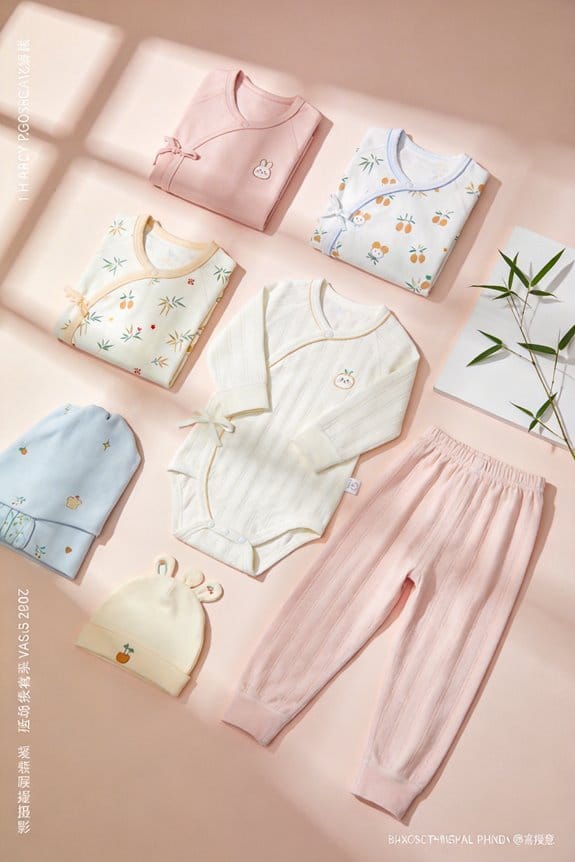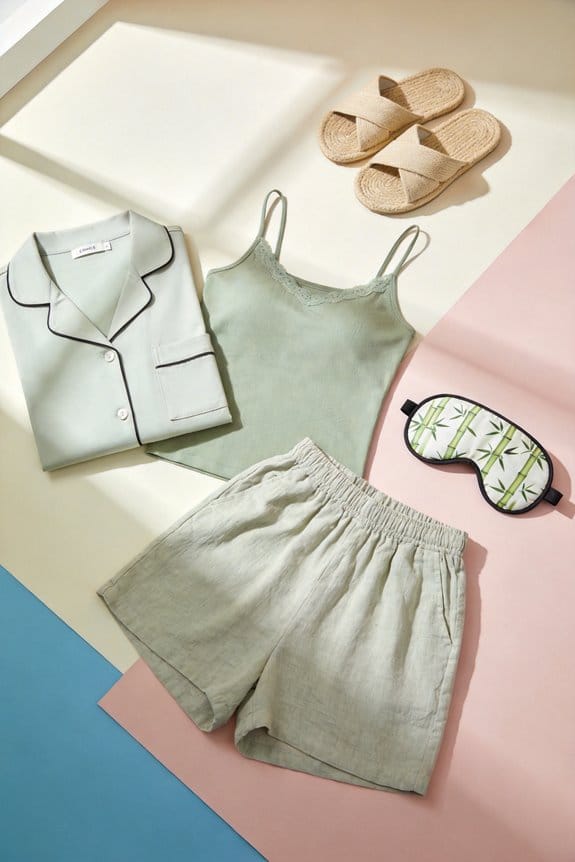
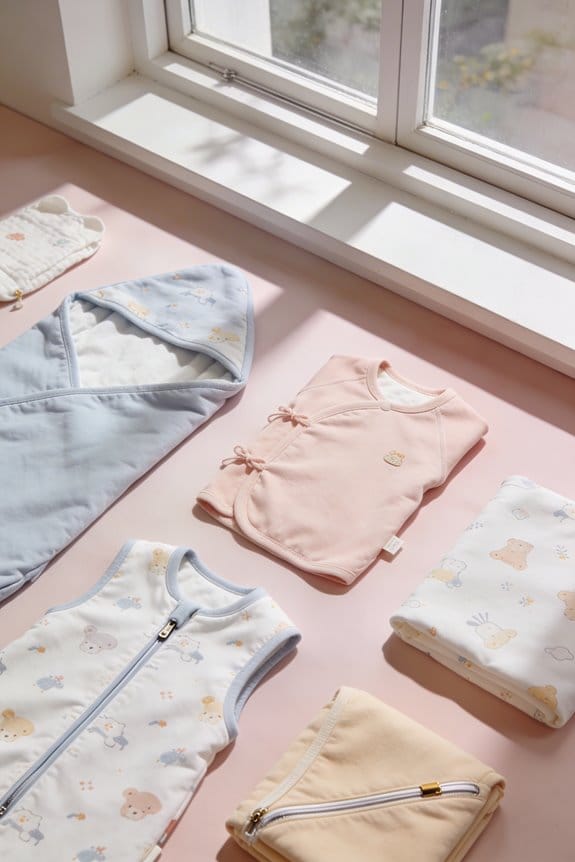

Wearable blankets, or sleep sacks, are essential for promoting hip health in infants. They allow natural leg movement, reducing the risk of hip dysplasia from tight swaddling. When choosing a sleep sack, look for roomier designs like the HALO® SleepSack®, which support bent knees and free movement. It’s important to use breathable materials like cotton or bamboo to keep your baby comfortable. Ensuring proper usage helps during the shift to blankets later, so let’s explore these options further.
Key Takeaways
- Wearable blankets allow natural leg movement, promoting proper hip positioning crucial for preventing hip dysplasia in infants.
- They support a bent knee, fetal-like position that nurtures healthy hip growth and development.
- Hip-healthy sleep sacks provide wiggling room, contrasting with traditional swaddling that may restrict leg movement and risk hip issues.
- Breathable materials like cotton and bamboo in sleep sacks help regulate temperature while ensuring comfort and safety for sleeping infants.
- Pediatricians recommend transitioning to sleep sacks for infants up to 2 years, monitoring hip health to guide further development.
What Are Wearable Blankets and How Do They Benefit Hip Health?
When you’re trying to keep your baby safe and cozy, have you thought about wearable blankets, also known as sleep sacks? These sleep sacks, like the HALO® SleepSack, are more than just a comfy covering; they really help with proper hip positioning, which is so important for your baby’s hip health.
One of the best parts about sleep sacks is that they allow for natural leg movement. This means your baby’s hips can stay free, reducing the chances of infant hip dysplasia. Unlike tight swaddling, sleep sacks support a bent knee position that’s similar to the fetal position—perfect for healthy hip growth, especially during those critical early months. And let’s be real, tossing a loose blanket in a crib can be risky, so these sleep sacks take away that concern.
So, what’s the takeaway? Your little one gets a warm, secure space to sleep while you know they’re supporting their developing hips. It’s a win-win! Additionally, many sleep sacks include ergonomic designs to promote healthy hip development while still keeping babies cozy and safe.
Next time you’re on the lookout for baby sleep essentials, think about how a simple sleep sack could make nights safer and cozier. How have you tackled the sleep situation with your little one?
The Risks of Tight Swaddling: Understanding Hip Dysplasia
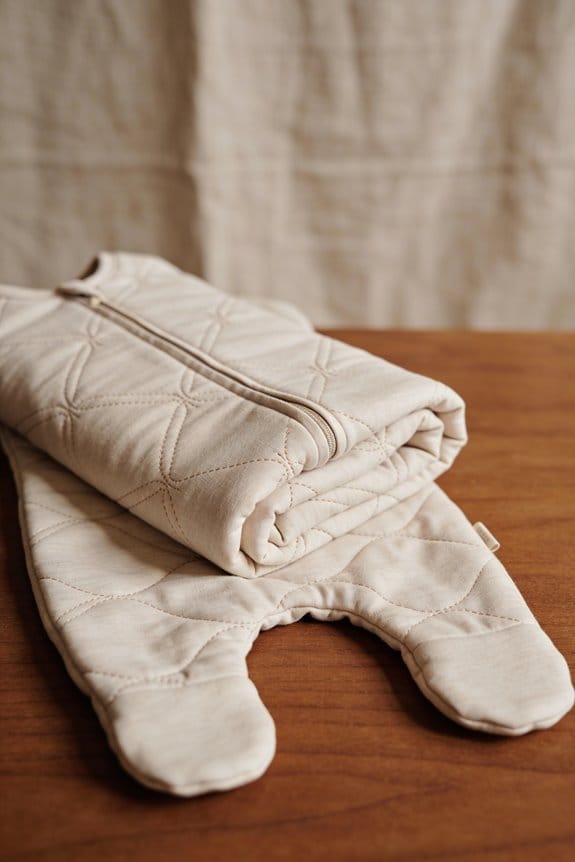
Have you ever noticed how many parents love to swaddle their babies tightly? It’s so common because swaddling can offer a sense of comfort and security. But here’s the catch: tight swaddling can actually be risky for your baby’s hip health. Keeping those little hips restricted can lead to hip dysplasia, a condition where the hip joint is loose or unstable. So, it’s crucial to think twice about how you’re wrapping up your bundle of joy.
The International Hip Dysplasia Institute points out how important it is to choose sleep products that promote hip-healthy designs. Ever heard of wearable blankets? They can be a great alternative to traditional swaddling. For instance, the HALO® SleepSack® allows babies to move naturally while keeping their hips in that all-important bent position. This is vital for healthy hip development.
Why does this matter? About 90% of babies with loose hip joints will naturally tighten up when they’re given the chance to move freely. So, by opting for more flexible sleep options, you’re nurturing your little one’s growth.
Here’s the trick: prioritize safe sleep practices to keep your baby comfortable without compromising their hip health. It’s a small change that can make a big difference in the long run. Have you thought about how your swaddling techniques might affect your baby’s development? Choosing sleep sacks with roomy designs ensures natural movement while maintaining warmth and safety.
How to Choose Sleep Sacks for Natural Movement?
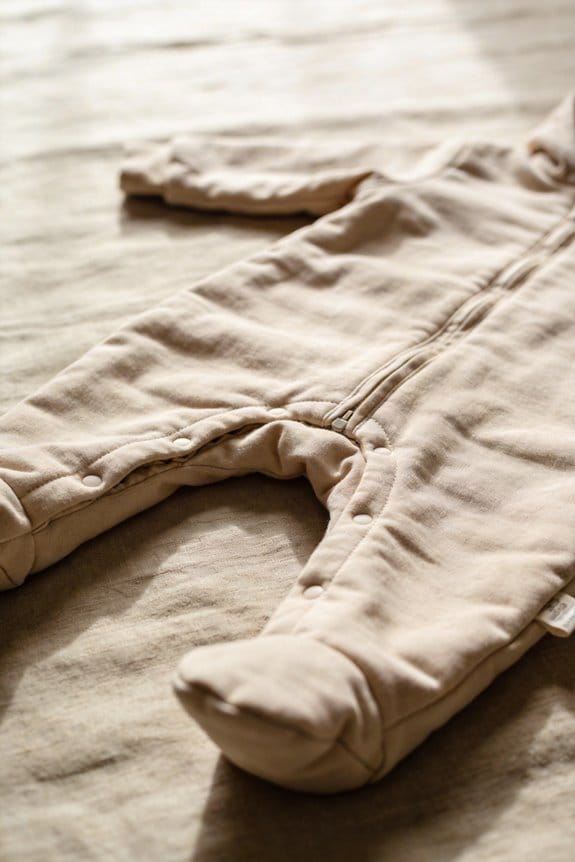
Choosing the right sleep sack is so important when it comes to letting your baby move naturally and keeping those little hips healthy. What should you look for? Well, sleep sacks that let your baby’s knees bend and legs spread out are essential for preventing hip dysplasia.
Try this: go for options like the HALO® SleepSack®, which is actually approved by the International Hip Dysplasia Institute. That’s a good sign it’s designed with hip health in mind.
You also want a sack that’s roomy enough for your baby to kick and squirm around. Remember, breathable materials will keep them comfy and help them grow well. So, why does this matter? A cozy, spacious sleep sack can really make a difference in how well your little one sleeps—and how they develop.
Here’s the trick: consider sizing up. An oversized sleep sack gives your baby room to grow without squeezing their hips too much. It’s about creating a safe space for them to move freely while they sleep. Choosing a sleep sack with adjustable sizes can also help ensure a secure and comfortable fit as your baby grows.
Effective Hip-Healthy Swaddling Techniques for Infants
Have you ever worried about your baby’s hip health while swaddling? You’re not alone! Effective swaddling can really make a difference in how your baby’s hips develop. The key is to keep their hips bent and legs positioned gently outward, like they’re all curled up in the womb. This approach can help lower the risk of hip dysplasia, which is something every parent wants to avoid.
Try this: Opt for a swaddling solution like the HALO® SleepSack®. It gives your baby some wiggle room while still keeping them cozy and warm. Just remember, you want to avoid wrapping their legs too tightly. They need to move freely!
And here’s the trick: always place your little one on their back when they’re swaddled. This position is crucial for safety, as it can dramatically reduce the risk of suffocation. Honestly, it’s a small change that can have a huge impact on your baby’s sleep quality.
So, why does this matter? Creating a hip-healthy and safe sleep environment means you can rest a bit easier knowing your baby is comfy and secure. Following these swaddling guidelines can promote healthy hip development and give you some peace of mind as you navigate those early days.
It’s about finding the right balance between warmth and freedom for your little one. How have your swaddling experiences been? Choosing sleep sacks recognized by the International Hip Dysplasia Institute can further ensure safety and hip health.
Key Features of HALO® SleepSack® for Optimal Hip Safety
Are you worried about your baby’s sleep safety and hip development? You’re not alone—many parents share that concern. That’s why I want to talk about the HALO® SleepSack®. It’s designed to support healthy hip development and can help reduce the risk of hip dysplasia in infants.
The SleepSack’s generous shape allows babies to move their legs freely, which is so important for their comfort during sleep. Unlike traditional swaddles that can restrict movement, this sleep sack keeps things loose around the thighs. It’s a simple way to encourage a natural sleep position while adhering to safe sleep guidelines pediatricians recommend.
Here’s the trick: the HALO® SleepSack® is recognized by the International Hip Dysplasia Institute as hip-healthy. That endorsement really gives peace of mind to parents like us. When you choose this sleep sack, you’re not just getting a cozy blanket; you’re also actively supporting your baby’s hip health. Plus, it features roomy leg space to promote healthy hip development while ensuring your baby stays cozy and comfortable.
How Sleep Sacks Compare to Traditional Swaddling Methods?
While it might feel comforting to stick with traditional swaddling methods, have you ever thought about how sleep sacks could actually be a safer choice for your baby? Sleep sacks, like the HALO® SleepSack, let little ones move freely without sacrificing hip health. Traditional swaddling can be pretty restrictive, which could potentially cause issues like hip dysplasia.
The American Academy of Pediatrics actually recommends sleep sacks for promoting healthy hip development and safe sleep for infants. Unlike tight swaddles that can keep your baby all bundled up, sleep sacks allow them to move naturally, which also cuts down on the risk of suffocation that can come with loose blankets. As your baby grows and starts to roll over, switching from traditional swaddling to a sleep sack is not just a good idea, it’s essential for their safety and comfort during sleep. Choosing sleepwear made from breathable cotton fabric can further enhance your baby’s comfort and safety throughout the night.
Best Materials for Sleep Sacks and Their Importance
Choosing the right materials for sleep sacks can feel overwhelming, but it really matters when it comes to your baby’s safety and comfort during sleep. Have you ever worried about your little one overheating at night? That’s where breathable materials like cotton and bamboo come in. They’re not just soft; they also help keep your baby cool, which is so important for their hip health. These natural fabrics let your baby move freely, which can help prevent issues like hip dysplasia that can pop up if they’re restricted.
Look for sleep sacks that have a roomy design. You want to give your baby’s legs plenty of space to move around, which promotes proper hip alignment while they sleep. Trust me, a stretchy fabric can make a huge difference— it allows for movement while still wrapping snugly around the torso, which is essential for healthy development.
When you’re shopping, keep an eye out for wearable blankets that meet hip-healthy standards. It’s important they’re durable and easy to wash; let’s be real, babies can be messy! These choices help create a safe and comfortable sleeping environment that supports your child’s growth and overall comfort needs. Additionally, understanding tog ratings helps you select the appropriate warmth level to prevent overheating or chilling during sleep.
Safe Usage Duration for Sleep Sacks?
What’s the right time to transition your baby from sleep sacks to regular blankets? This is a question many parents find themselves asking, and it’s a bit tricky. Typically, sleep sacks work well for infants up to about 2 years old. However, it really depends on your baby’s size and development.
As your little one grows, keep an eye on how the sleep sack fits. It’s important that it’s both safe and comfortable. When they start hitting key milestones, like rolling over, it may be time to make that switch.
Here are a few things to consider:
- If your baby weighs around 30 pounds or is about 40 inches tall, it might be time to change things up.
- Think about their hip health. If the sleep sack is getting snug, it’s better to move on.
- Trying out regular blankets can help create a familiar sleeping environment as they grow.
So, why does this matter? Ensuring your baby has enough space to move freely is crucial for their development and comfort. Pay attention to these signs, and you’ll promote a better sleep experience for your little one.
In short, don’t rush the transition but also don’t delay it when the signs are there. Have you noticed any changes in your baby’s sleeping habits that might suggest they’re ready for blankets?
Additionally, choosing sleepwear made from organic cotton can support your baby’s comfort and skin health during this transition.
Transitioning From Sleep Sacks to Blankets for Continued Hip Health
As kids grow, the time comes when those cozy sleep sacks just don’t cut it anymore. It can feel a bit overwhelming deciding when and how to switch to blankets, especially when you’re trying to keep hip health in mind. Usually, you’ll start thinking about this transition around the age of two or when your little one hits 30 pounds and 40 inches tall. But just how do you make this switch safely?
Choosing the right blankets is key. Look for ones that give your child plenty of room around their hips and legs. This helps ensure their legs can move freely while they sleep. You want to promote natural movement, which is crucial for their development.
Here’s the trick: make this change gradually. Pay attention to how your child responds, and don’t rush it. Some kids may need more time to adjust. Infants and toddlers can be sensitive to changes in their sleep environment, so being attentive to their comfort can make a world of difference.
Using hip-healthy blankets can minimize the risk of hip dysplasia. It’s always wise to keep an eye on your child’s growth and comfort during this transition. Regular check-ups with your pediatrician will help monitor their hip health. Plus, they can give you tailored advice just for your child, which is always a bonus.
When choosing sleepwear and bedding for toddlers, selecting high-quality fabrics that are soft, breathable, and durable will also contribute to your child’s comfort and overall health.
In the end, transitioning from sacks to blankets might feel daunting, but with the right approach, you can ensure your little one sleeps soundly and safely. Have you started this change yet? What have you found works for your child?
Frequently Asked Questions
Are Sleep Sacks Hip Healthy?
Yes, sleep sacks provide essential hip support with their thoughtful blanket design. They allow movement freedom, ensuring comfort while aligning our baby’s body for developmental milestones, enhancing sleep safety with breathable fabric for temperature regulation, aligning with pediatric advice.
Is a Wearable Blanket the Same as a Sleep Sack?
Yes, wearable blankets and sleep sacks are fundamentally the same. Both prioritize infant comfort, mobility ease, and safety features while offering various fabric types for temperature regulation, perfectly aligning with age appropriateness to support healthy sleep patterns.
What to Avoid When Baby Has Hip Dysplasia?
Steering through hip dysplasia’s waters, we must avoid tight swaddling, restrictive clothing, and improper sleeping positions. Following pediatric advice, we can facilitate healthy hip joint development through monitored diaper changes and supportive resources during this pivotal journey.
What Is a Hip Harness Sleeping Bag?
A hip harness sleeping bag promotes hip development by combining ergonomic features and sleep bag designs that guarantee mobility support. Its breathable fabric choices regulate temperature, enhancing infant sleep safety and caregiver convenience while fostering healthy sleep patterns.