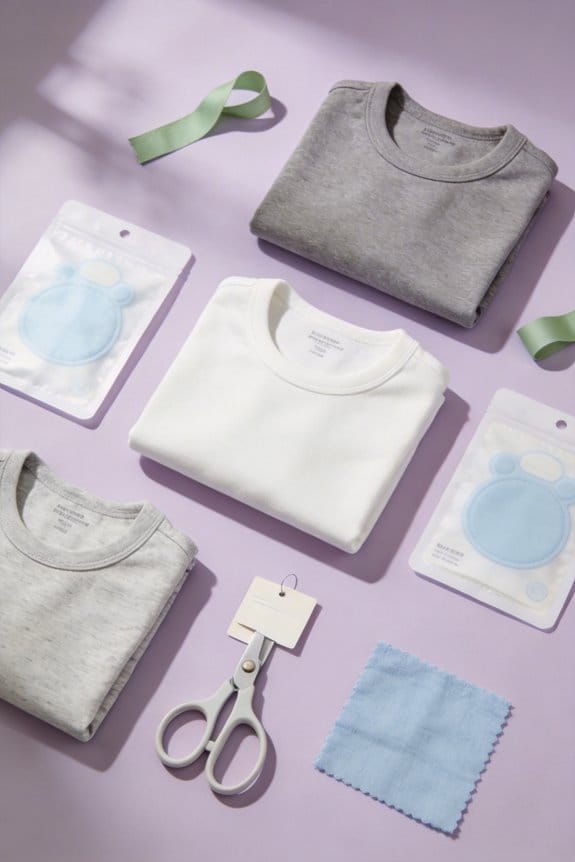

Managing sensory issues with stiff uniform collars and tags can be straightforward. First, we can choose tagless options and soft fabrics like 100% cotton or jersey knits, which are often more comfortable. We should also consider seamless designs and adjustable features for a better fit. Washing uniforms with fabric softener can help tame stiffness. By allowing our kids to play in uncomfortable clothing gradually, they can build resilience. Let’s explore additional strategies to guarantee dressing time is a positive experience.
Key Takeaways
- Choose uniforms made from 100% cotton or soft jersey knits to minimize irritation and enhance comfort.
- Opt for tagless clothing or items with soft printed labels to prevent skin irritation and discomfort.
- Layer soft undershirts beneath uniforms to cushion against stiff collars and provide extra comfort.
- Gradually introduce any uncomfortable clothing during playtime to help children adjust without anxiety.
- Involve children in selecting their outfits to empower them and encourage a positive dressing experience.
Recognizing Signs of Sensory Clothing Sensitivity
How can you tell if your child is sensitive to the clothes they’re wearing? It’s tough, right? You might notice them getting upset when you’re trying to dress them in a shirt with a stiff collar or a pair of pants with a tag that just won’t quit. If you’ve faced tantrums at dressing time, this could be a sign of sensory sensitivity.
Watch their behavior closely during dressing routines. Are they constantly pulling at their clothes or refusing to wear certain items altogether? It’s often the little things that indicate bigger issues—like preferring tagless options or opting for softer fabrics instead of something scratchy. Addressing discomfort is crucial for their well-being.
Try this: When shopping for clothes, pay attention to materials. Look for softer fabrics like cotton or bamboo that are gentler on the skin. Let them help pick out clothes they like, as it gives them a sense of control. Also, brief discussions about how uncomfortable tags or seams can feel might help them express their thoughts better. Choosing clothing with soft, breathable materials can greatly improve comfort for sensitive skin.
Why Stiff Collars and Tags Can Be a Problem for Kids?
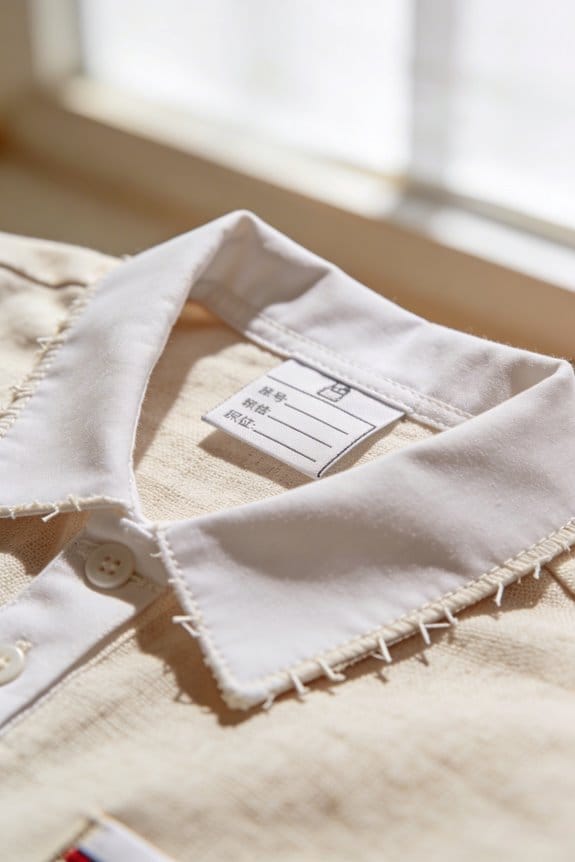
Ever notice how your child sometimes struggles to wear certain clothes, especially uniforms? It’s not just a style preference—those stiff collars and scratchy tags can really annoy them. Many parents might not realize just how much discomfort these little details can cause, but they really do matter when it comes to a child’s daily experience.
Stiff collars are a common culprit, making it tough for kids to move comfortably. For children with sensory processing issues, this can lead to outright resistance when it’s time to get dressed. Have you ever seen your child cringe at the thought of putting on a collared shirt? It’s a real thing. Plus, those rough tags? They can irritate sensitive skin and cause distress, prompting children to outright refuse certain pieces of clothing.
You might wonder why this is such a big deal. Well, kids with tactile defensiveness often find those sensations from collars and tags absolutely unbearable. It might trigger anxiety or even a meltdown. On top of that, wearing uncomfortable clothes can distract them, making it hard to focus on schoolwork or playtime.
So, what can you do to help? Try switching to softer collar options or look for tag-free clothing. Here are a few tips:
- Opt for cotton or other soft fabrics that feel nice on the skin.
- Look for clothes with seamless tags or tagless designs.
- Choose styles with more flexibility, like relaxed collars.
Choosing hypoallergenic fabrics can also greatly reduce irritation for children with sensitive skin.
The best part is, making these small changes can lead to a more comfortable day for your child, boosting their confidence and self-esteem. It’s worth it for those happier mornings and smoother school days.
Top Sensory-Friendly Uniform Options
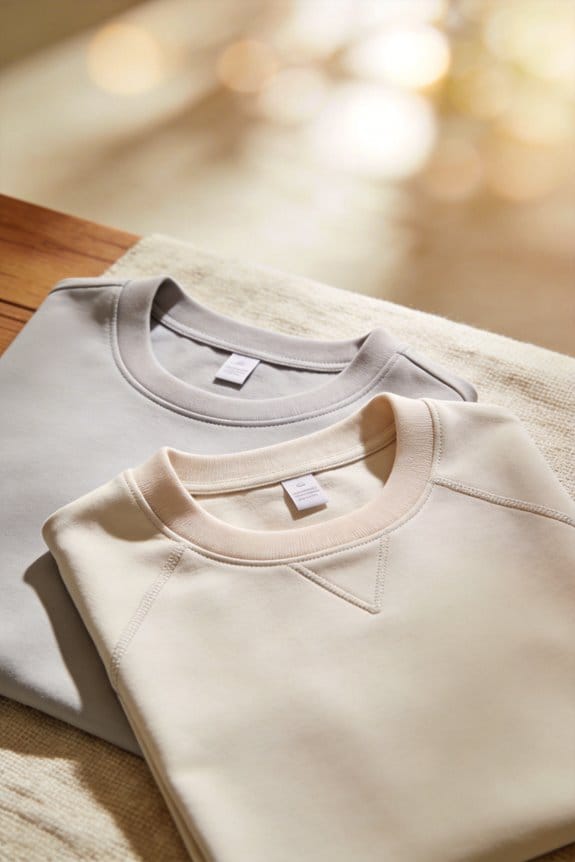
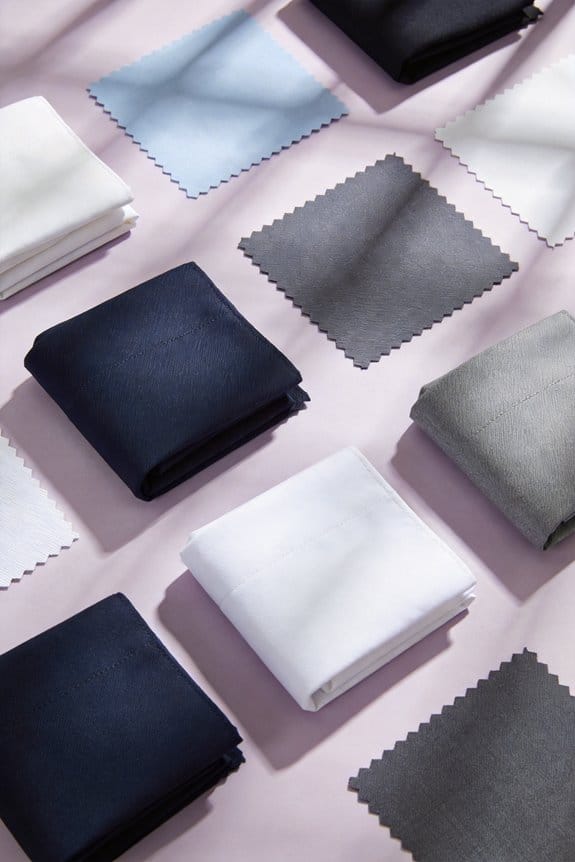
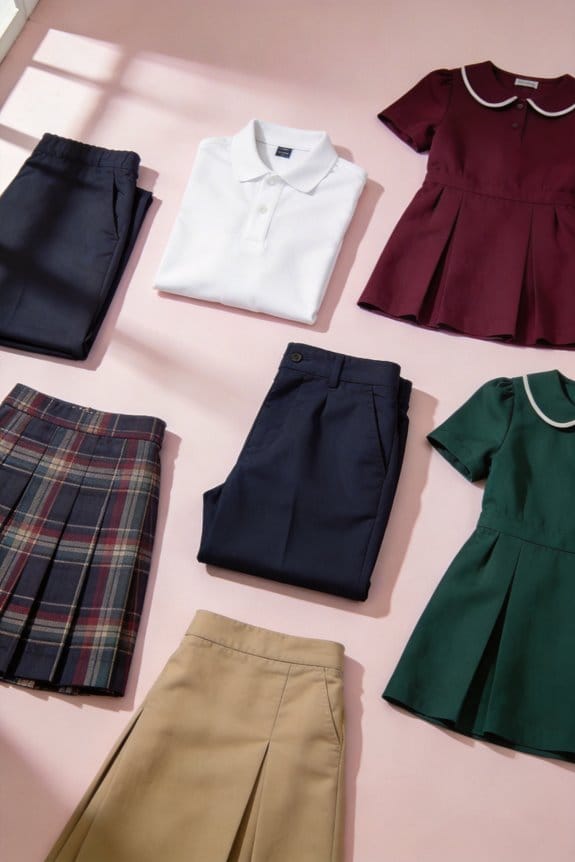
Finding the right school uniform for kids with sensory sensitivities can feel overwhelming. So, how do you choose the best options that keep your child comfortable while still looking sharp? Look for sensory-friendly uniform materials, like 100% cotton or soft jersey knits, which really help reduce irritation.
It’s also a good idea to steer clear of traditional tags. Tagless shirts or ones with soft printed labels can make a big difference in your child’s comfort. And don’t forget about seams; opting for seamless designs can really help kids who are sensitive to the way clothing fits.
Here’s the trick: look for uniforms with adjustable features. Elastic waistbands or Velcro fasteners can be a blessing in disguise, eliminating the discomfort that comes with buttons and zippers. Layering with soft undershirts or tank tops can provide extra cushioning against stiff collars, making the whole school day a lot more pleasant.
Now, you might be wondering—why does this matter? Kids often focus on if their clothes are comfortable rather than how they look. If they feel good, they can concentrate better and enjoy their time at school.
Choosing clothing with breathable materials also helps maintain comfort throughout the day by managing moisture and reducing irritation.
Practical Steps to Introduce Sensory-Friendly Options
When it comes to finding the right clothes for kids, comfort is key. Have you ever noticed how a simple tag can turn a day into a struggle? For many kids, those traditional tags can be seriously annoying. That’s why opting for tagless uniforms is a great place to start.
Another good idea is to consider seamless collar designs or soft fabrics, like cotton or bamboo. These materials tend to feel much better against the skin, lessening any chances of irritation. If you have uniforms made from stiffer fabrics, try washing them a few times with some fabric softener. This not only helps soften them up but also makes them more pleasant to wear. Layering soft undershirts under uniforms can also provide a comfy buffer, which can make all the difference.
So, why does this matter? Kids feel better in clothes that don’t irritate them, which can lead to a more positive day at school. It’s also a good idea to let children weigh in on their uniform choices. Giving them a voice in what they wear can empower them and promote acceptance. Choosing breathable materials like soft knitted cotton can enhance comfort and reduce sensory irritation throughout the day.
How to Foster a Positive Dressing Experience
Have you ever faced a battle over getting your kids dressed? It can be such a struggle when they don’t want to wear certain clothes. A positive dressing experience is totally possible, though! One way to make this easier is by getting your kids involved in choosing their outfits.
Try offering them sensory-friendly clothing options. This gives them a sense of control and can help make dressing less daunting. Have they ever mentioned how uncomfortable stiff collars can be? Gradually getting them used to these types of clothing—perhaps by wearing them during playtime—can help ease into it.
Also, think about simple clothing adjustments. Removing tags or selecting softer fabrics can really minimize discomfort—they’ll definitely thank you for that! Establishing a calming dressing routine can work wonders; consider including some deep pressure activities like hugs or squeezes before it’s time to put clothes on. It’s all about finding what works for your little one.
Celebrate those small victories too! When they tackle wearing something they’ve struggled with, give them praise. It reinforces their positive behavior and helps them feel more accepting of the outfits they might not initially like.
Truth is, patience is key when it comes to making dressing a smoother process. With a little time and these strategies, you can help your child feel more at ease with their clothing choices. Additionally, choosing elastic waistbands can enhance comfort and ease for children sensitive to tight or restrictive clothing.
So, what’s one small change you can make today to improve the dressing experience?
Frequently Asked Questions
How Can I Explain Sensory Sensitivity to Teachers?
We can explain sensory sensitivity by highlighting sensory triggers and emotional responses. Teachers benefit from training on communication strategies and classroom adaptations, including sensory breaks, peer support, and positive reinforcement, ensuring an individualized education for all students.
Are There Specific Brands Known for Sensory-Friendly Uniforms?
Did you know up to 20% of kids experience sensory sensitivity? Thankfully, sensory-friendly brands like Soft Clothing, Love Your Labels, and others offer tagless options, breathable fabrics, adjustable designs, and soft seams for ultimate comfort.
What Materials Are Best for Reducing Sensory Discomfort?
We’ve found that cotton blends, bamboo fabric, and stretchy materials markedly reduce sensory discomfort. Tagless options, soft weaves, and moisture-wicking fabrics, combined with hypoallergenic textiles and adjustable collars, create a more comfortable experience for everyone.
Can I Customize Uniforms to Meet My Child’s Needs?
Absolutely, we can customize uniforms! Did you know 70% of kids feel better in sensory-friendly designs? By incorporating adjustable fittings, collar alternatives, and tag removal, we can prioritize comfort priorities while embracing personal style and uniform accessories.
How Do I Advocate for Sensory-Friendly Policies at School?
We can advocate for sensory-friendly policies by collaborating with teachers, proposing sensory awareness workshops, and implementing effective communication strategies. Let’s push for inclusive dress codes and sensory breaks to support neurodivergent students in calming classroom environments.