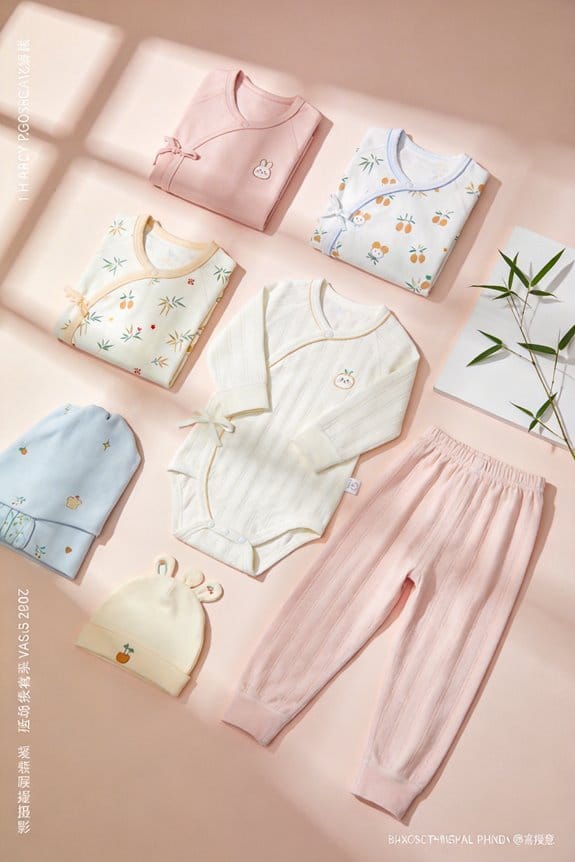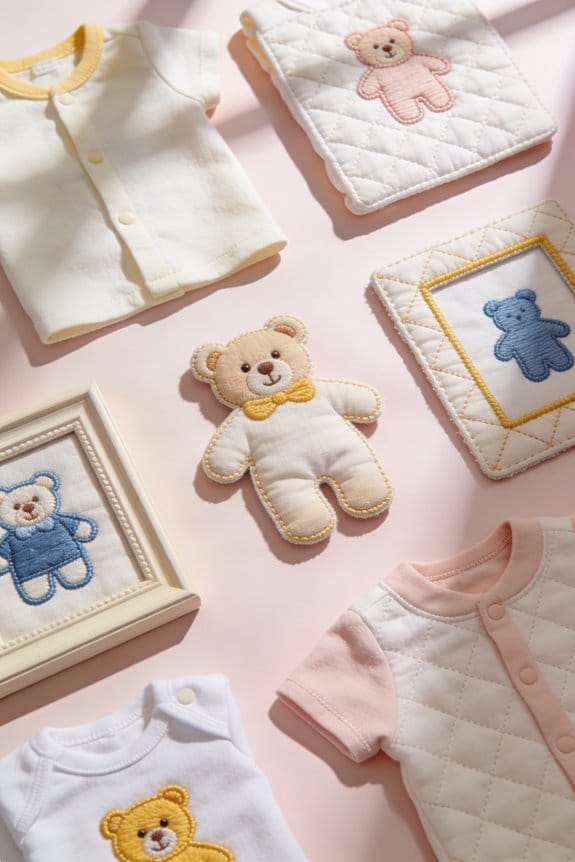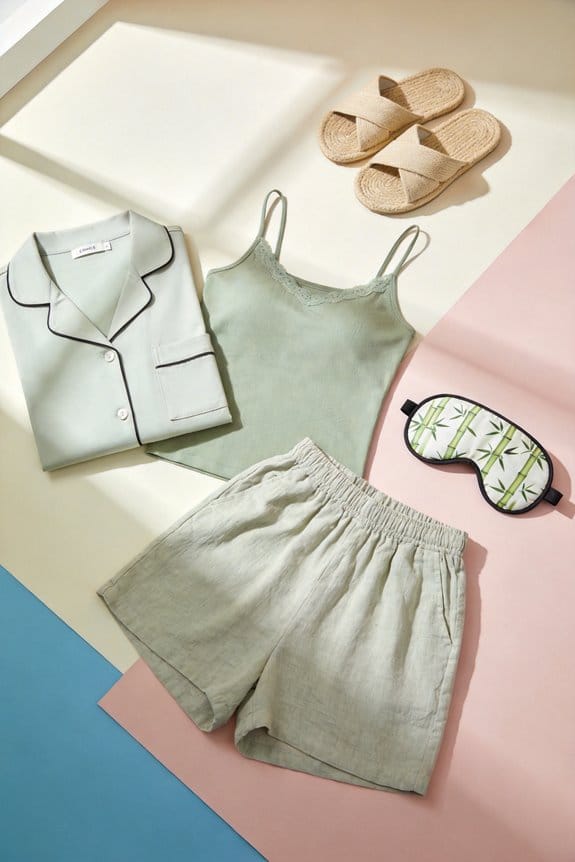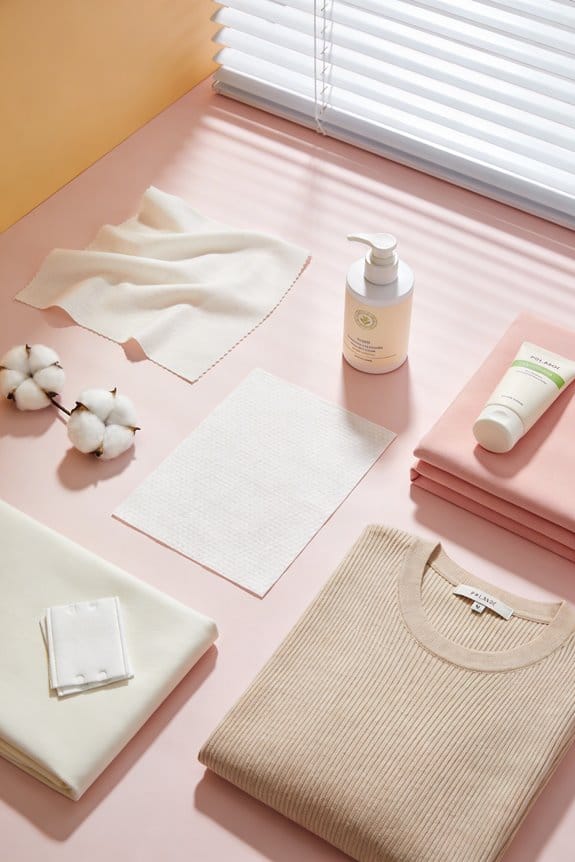
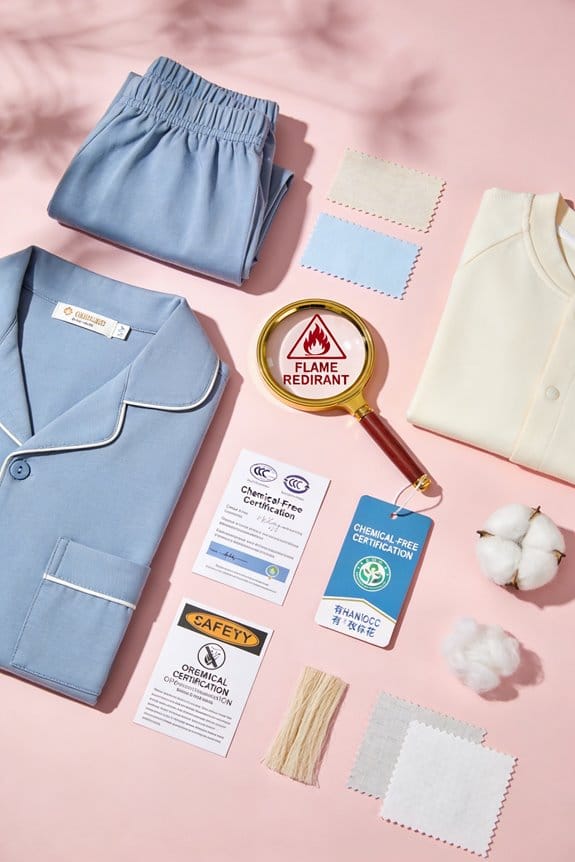

Flame retardants in children’s pajamas have raised health concerns due to their links to hormone disruption and developmental issues. To guarantee safety, we should choose pajamas made from natural fabrics like organic cotton, which comply with flammability standards without harmful chemicals. Look for snug-fitting styles that meet safety regulations, and support brands that openly disclose their materials and practices. This way, we can protect our children while helping them sleep comfortably. There’s more to discover about safe sleepwear options.
Key Takeaways
- Flame retardants have been linked to serious health risks, including hormone disruption and developmental issues in children.
- The CPSC mandates flammability standards for children’s pajamas, allowing snug fits or flame-retardant treatments for safety.
- Many reputable brands now offer pajamas that are free from harmful PBDEs and flame retardants, ensuring safer options.
- Transitioning to natural fabrics like GOTS-certified organic cotton reduces chemical exposure while maintaining compliance with safety standards.
- Parents should carefully read labels and choose brands that prioritize material transparency and safe manufacturing practices.
The History Behind Flame Retardants in Children’s Pajamas
When it comes to the safety of your child’s sleepwear, you might wonder what’s really going on with flame retardants in pajamas. Back in 1953, the Flammable Fabrics Act came about because of some serious fire hazards linked to children’s clothing. Between 1942 and 1952, various incidents made it clear that something had to be done, pushing federal authorities to step in with stricter fire safety regulations. By 1975, the Consumer Product Safety Commission was enforcing flammability standards specifically for kids’ pajamas, because let’s face it, safety is a priority!
Things took a turn in 1976 when research found harmful chemicals like tris in sleepwear, leading to a ban just a year later. So, why does this matter? It shows us how safety standards evolved as we learned more about potential hazards. By 2000, a big change allowed for tight-fitting cotton pajamas without flame retardant finishes. This is pretty crucial for today’s parents.
Here’s the trick: keeping up with these regulations can help you make informed choices when shopping for your little ones’ pajamas.
- Look for tight-fitting options if you want to avoid flame retardants.
- Always check labels for materials used.
Truth is, staying informed about what goes into children’s sleepwear can lead to safer decisions for your family. Additionally, selecting pajamas made from organic cotton or bamboo viscose can enhance both comfort and safety for your child. In the end, choosing sleepwear that prioritizes safety doesn’t have to be a headache. What sleepwear features do you prioritize for your kids?
Recommended Products

High-quality thermal underwear with hip contrast stitching

YEAR-ROUND USE: Optimal MID-WEIGHT wool fill 400gsm or 52.8oz total. Enjoy a luxurious sleep experience with our wool comforter filled with 100% natural premium Australian wool filling and 300 thread count SOFT SATEEN ORGANIC cotton shell

BABY BOX: Give your little one the softest welcome with the Soft Start Box—13 essentials made from gentle, breathable fabrics for all-day comfort. Includes 3 bodysuits, 2 pants, 2 gowns, 2 caps, 1 kimono, 1 on-the-go, 1 zipper, and 1 blanket.
Understanding the Risks of Flame Retardants
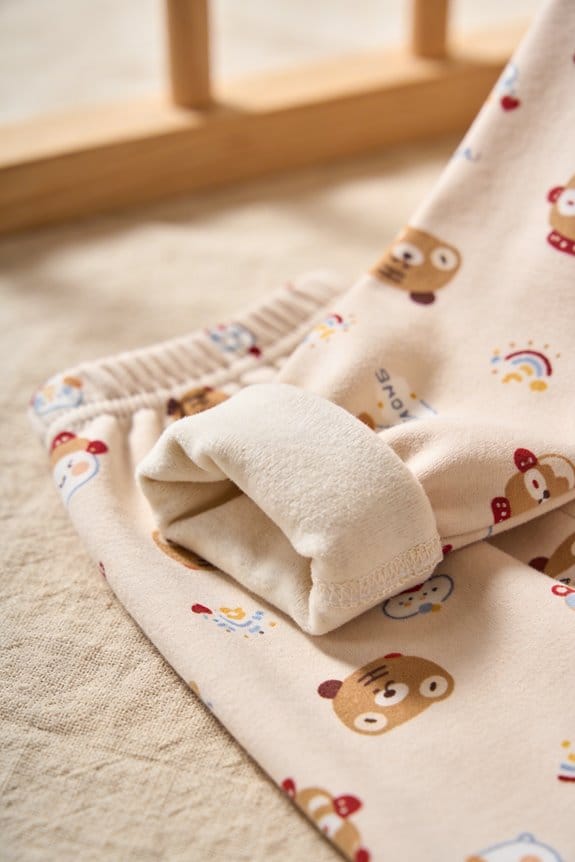
Understanding the presence of flame retardants in children’s pajamas is crucial for keeping your little ones safe while they sleep. These chemicals have been in use since the 1970s and can lead to some serious health concerns, like disrupting hormones. While many pajamas today are made to be inherently flame-resistant, there are still plenty that contain synthetic materials that may not be the safest option.
You might be wondering, how does this affect your family? Well, flame retardants can actually move into household dust, which means your kids could be exposed when they play or even breathe in those particles. The good news is that research shows most kids’ pajamas from top brands no longer include harmful PBDEs or flame retardants.
When you’re shopping for pajamas, consider looking for fabric options that are safe and comfortable. Try this: check the labels for certifications that show they meet safety standards.
Also, think about going with natural materials like cotton or organic blends—these tend to be kinder for your child’s sensitive skin. Honestly, choosing the right pajamas can help you feel better knowing your kids are snug and safe in their beds. Prioritizing soft, breathable fabrics like cotton or fleece can further ensure comfort and reduce irritation risks.
Recommended Products

GOTS Certified - Made from long-staple organic cotton that is sustainably grown and woven in the Aegean region of Turkey. Absolutely free of chemicals and toxins that endanger the health of humans, animals, and the ecosystem. Coyuchi’s Cloud Loom Robe is Made Safe Certified.

Premium fabrics for best comfort: Australian merino wool lining - 100% natural, luxuriously soft, and temperature regulating. GOTS certified organic cotton outer. Machine-washable.

Pure Comfort: Wrap your baby in luxury kids blanket with Australian merino wool lining—100% natural, soft, and temperature-regulating. The outer layer of toddler blanket is made of GOTS certified organic cotton, safe and chemical-free
How Do Flame Retardants Affect Kids’ Health?
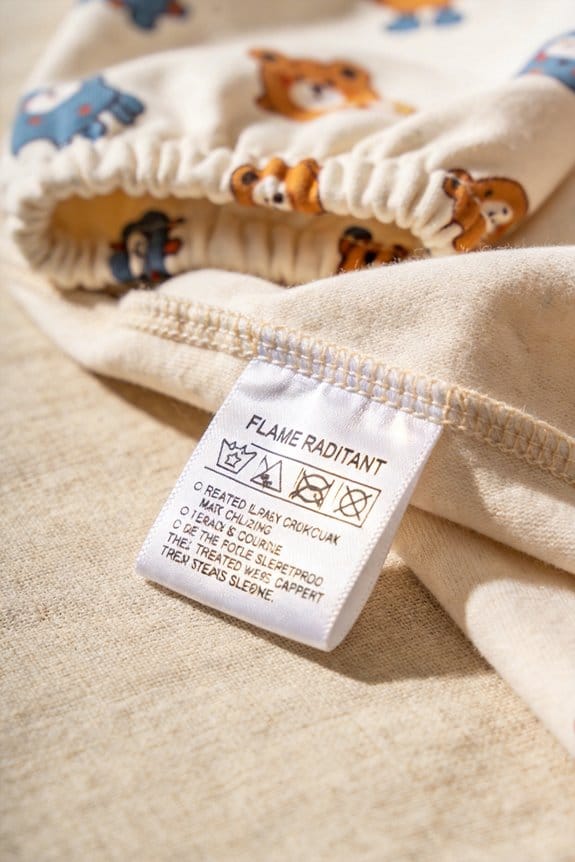
How do flame retardants really impact our kids’ health? It’s a question worth pondering, especially when it comes to something as close to home as our children’s sleepwear. There’s some troubling evidence out there that shows exposure to flame retardant chemicals can have serious consequences for our little ones.
Kids, especially young ones, are still growing and their bodies are developing. This makes them more vulnerable to hormone disruption and developmental delays caused by these chemicals. And it doesn’t stop there; inhaling toxic fumes from treated pajamas can mess with indoor air quality, potentially leading to long-term health issues. For example, substances like TDCPP and PBDEs have been linked to neurological problems in children.
So, what can you do to keep your kids safe? Here’s the trick: opt for sleepwear that doesn’t contain these harmful chemicals. There are plenty of non-toxic options available that not only help protect your kids from chemical exposure but also create a healthier environment for them to grow up in. Staying informed and making smart choices can really make a difference.
Frankly, it’s worth the effort to prioritize your child’s health. What’s more important than ensuring they sleep soundly without the risk of harmful chemicals? The best part is that you can find safe alternatives that are just as cozy and cute. Let’s make informed choices for our little ones and take a stand against these unnecessary risks.
Choosing sleepwear with flame resistance certifications can help reduce fire risks without resorting to harmful chemical treatments.
In short, keep an eye out for that sleepwear – it can make all the difference in promoting better health for your kids! Are you ready to start checking those labels?
Recommended Products
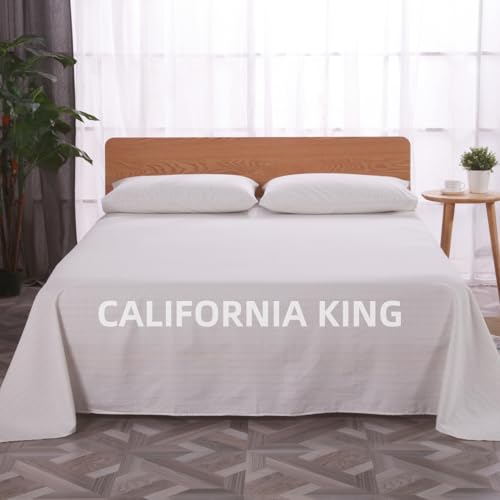
Natural Wellness Connection: Our grounding flat sheet creates a gentle connection to the Earth's natural energy. Many users enjoy incorporating grounding technology into their daily wellness routines. The soft, breathable fabric provides comfortable all-night use while maintaining this natural connection.

100% Organic Cotton Imported Machine Wash

Hanna Andersson is a kids’ and baby clothing company founded on Scandinavian principles—iconic design that marries form and function, a genuine commitment to sustainability, and a lifestyle that leads to happy, meaningful lives. Hanna is a pioneer in sustainability, known for their organic cotton and “Hanna-Me-Down quality”—meaning all items are meant to be handed down again and again. Hanna Andersson clothing is designed for play and durability, with details like specially crafted seams that lay flat against a child’s sensitive skin. They are famous for making the original matching family pajamas and swimwear.
Transitioning From Synthetics to Natural Fire-Resistant Fabrics
Isn’t it nerve-wracking to think about our kids sleeping in clothes that might be treated with harmful chemicals? Transitioning from synthetic fabrics to natural fire-resistant materials is a smart move for all of us as parents concerned about safety. Imagine wrapping your little ones in soft, comfy pajamas made from cotton, wool, or linen instead. These fabrics not only meet safety standards but also let you avoid those extra flame retardant treatments.
Try this: when shopping for sleepwear, look for GOTS-certified organic cotton. It’s produced free from toxic pesticides and keeps your child cozy without all those harmful chemical treatments. This shift not only supports a healthier bedtime routine but also taps into a growing demand for untreated fabrics.
So, why does this matter? It’s simple—natural materials lessen exposure to chemicals, ensuring that your kids sleep safe and sound. The best part is that you can still find adorable styles that your children will love.
To recap, opting for natural fire-resistant fabrics helps protect your little ones while keeping them comfortable. Have you thought about the fabrics your children wear to bed? It might be time to make a change for their well-being. Choosing pajamas with material safety standards further guarantees protection and peace of mind.
Recommended Products

REDUCE OR ELIMINATE SLEEPLESS NIGHTS - When baby sleeps better, so do parents. Made with ultra-soft, breathable merino wool, this sleep bag provides ultimate comfort for...
Current Regulations on Flame Retardants in Children’s Sleepwear
Have you ever wondered how safe your kids’ sleepwear really is? It’s a question many parents ask, especially with so much information swirling around about flame retardants. In the U.S., the Consumer Product Safety Commission has laid out some important guidelines that every parent should know.
For kids aged 9 months to 14 years, pajamas need to either meet flammability standards or be snug-fitting. This change isn’t just about keeping little ones cozy; it’s about keeping them safe. Traditionally, many pajamas were treated with chemical flame retardants, like tris, which have been banned due to potential health risks.
You might be thinking, “So, why does this matter?” Well, it’s crucial to understand what you’re putting on your child’s body when they go to sleep. Current regulations require that pajamas labeled as flame resistant clearly state whether they’ve been treated with any chemicals. This transparency helps you make informed choices when picking out sleepwear.
Here’s the trick: Always check the labels. If a pair of pajamas says it meets flammability standards or is snug-fitting, you’re on the right track. But if they claim to be flame resistant, take a moment to look for any disclaimers about chemical treatments. Knowing what’s in the fabric gives you peace of mind.
The best part is that these regulations are aimed at ensuring our children enjoy a comfy and safe night’s sleep. By staying informed about these guidelines, you’re equipped to choose sleepwear that balances safety with comfort.
Many popular pajamas, like the Nickelodeon Paw Patrol Baby Shark Pajama Set, meet these safety requirements by using flame-resistant materials without harmful chemical treatments.
In short, it’s about keeping our little ones safe while they snooze. What steps have you taken to ensure your kids’ bedtime wear is safe?
What Should Parents Look for in Pajamas? Tips for Choosing Safe Options
When it comes to picking pajamas for your little ones, safety and comfort should always be top of mind. Have you ever thought about what goes into your kids’ sleepwear? It’s crucial to choose options made from natural fibers, especially GOTS-certified organic cotton. This really helps steer clear of any harmful chemicals that could be lurking in less safe fabrics.
You’ll want pajamas that fit snugly. Not only does this keep them cozy, but it also meets safety regulations concerning flammability. Plus, look for sleepwear that says it’s free from chemical flame retardants. Truth is, these substances can mess with hormones and lead to health issues you don’t want for your kids.
Checking for certifications like OEKO-TEX Standard 100 gives you peace of mind, knowing the fabric has been tested for harmful substances. It’s all about making informed choices to ensure a safe sleep environment.
Consider supporting brands that are open about their materials and practices. Being choosy about where you buy sleepwear can really enhance the safety and quality of what your kids wear at night. Honestly, it makes a difference in your peace of mind, too. Also, selecting fabrics that are CPSC-certified for safety guarantees they’ve undergone rigorous testing to protect your child’s delicate skin.
Recommended Products
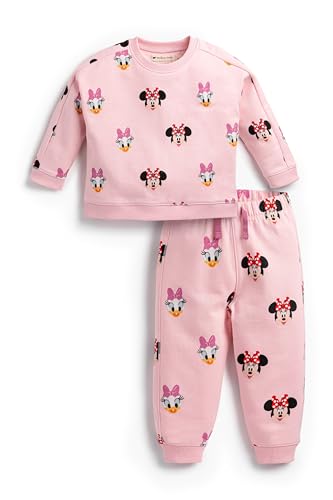
SPORTY SWEATSUIT: Meet the ultimate blend of comfort and style with this cozy set. Includes a 100% organic cotton sweatshirt and sweatpants with an elastic waistband, faux drawstring, and jogger leg opening—great for lounging or all-day play.

100% ORGANIC: Crafted with breathable, super soft cotton, this PJ is perfect for sensitive skin and free of flame retardant chemicals.

Gentle, Flexible Fabric: Crafted from 95% bamboo viscose and 5% spandex for supreme softness and stretch.
What’s Next for Flame Retardants in Sleepwear?
How can parents guarantee their children’s sleepwear remains safe and free from harmful chemicals like flame retardants? It can feel overwhelming, but there are definitely steps you can take to ensure your little ones are cozy and safe at night.
Try this: choose pajamas made from natural fabrics. Many brands are now offering children’s sleepwear that meets safety guidelines without relying on chemical treatments, which is a relief for anxious parents. Not only does this choice lead to safer options, but it also reflects the growing demand for organic materials. Did you know that in some places, like California, new rules have made it possible for snug-fitting cotton pajamas to be sold without harmful chemicals? That’s a win for everyone!
Honestly, being aware of what’s in your child’s pajamas is essential. Look for labels and do a little research on brands you’re interested in. Advocacy groups are pushing for clearer labeling, which helps you make informed choices.
The best part is that by staying informed about manufacturing practices, you can feel confident in protecting your children from harmful substances. So, what can you do today to ensure their sleepwear is safe? Just a little attention to detail can make all the difference. Choosing garments made from organic cotton is one effective way to avoid exposure to flame retardants while ensuring comfort and safety for your child.
Frequently Asked Questions
Should Children’s Pajamas Be Flame Retardant?
We believe children’s pajamas shouldn’t be flame retardant. Prioritizing sleep safety, we can explore snug-fitting designs and organic fabric alternatives, ensuring our little ones avoid harmful chemical exposure while adhering to safety regulations that protect their health.
What Is the Safest Material for Kids Pajamas?
The safest material for kids’ pajamas is organic cotton or bamboo fabric. We should prioritize sleepwear safety, opting for eco-friendly options and non-toxic choices that keep our little ones comfortable and healthy during sleep.
Are Carter’s Baby Clothes Flame Retardant?
Yes, Carter’s baby clothes prioritize safety by complying with regulatory standards. They offer snug-fitting options and alternative materials that address consumer concerns about flame retardants, ensuring our children’s health isn’t compromised during sleep.
Do Flame Retardants Wash Out of Clothes?
Flame retardants don’t fully wash out; their effectiveness often lingers due to robust textile treatments. As we navigate safety regulations and health concerns, we should explore alternative options for safer clothing choices together.