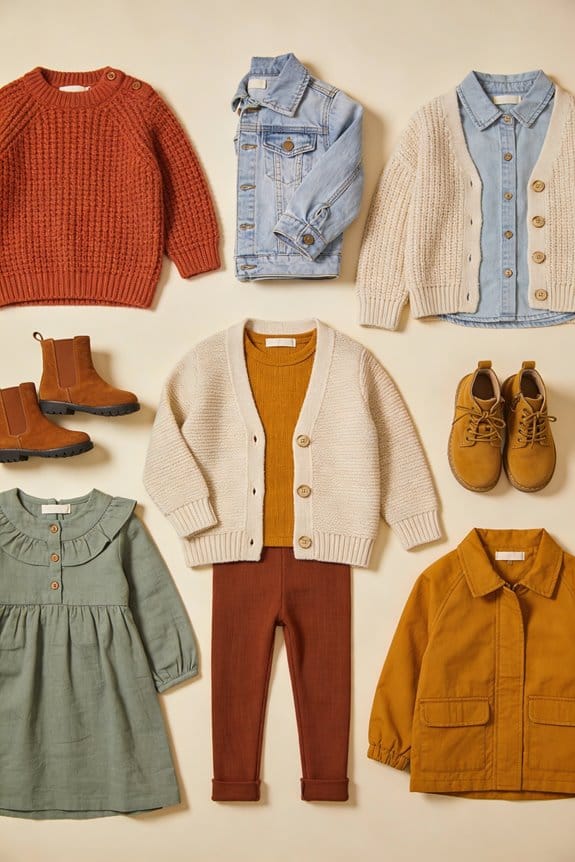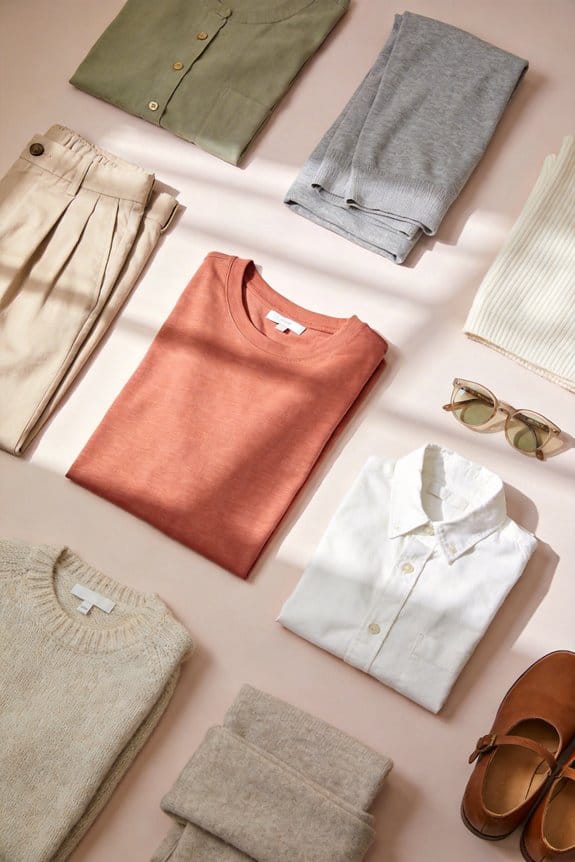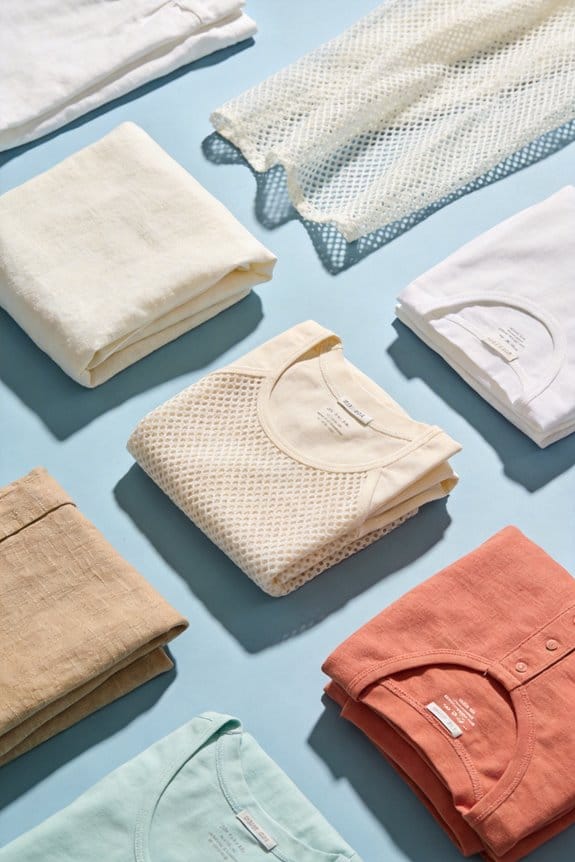
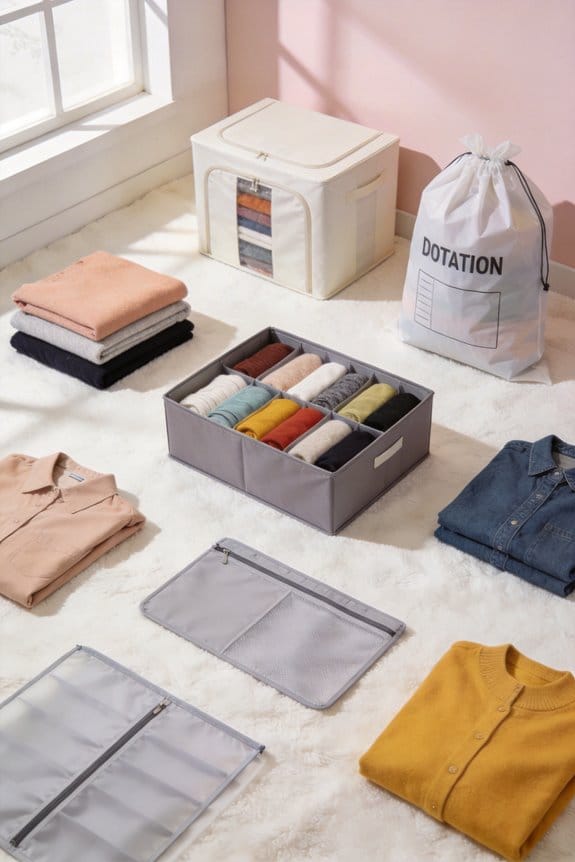

When organizing seasonal clothes, we should start sorting as fall or spring arrives. It’s important to evaluate what we wear by trying on items we haven’t used in over a year. For donations, late fall is great for warm clothing, while spring works for lighter garments. Proper storage is vital; we need to clean and use breathable bags or boxes. This way, we keep our closets tidy and make sure our donations are worthwhile. There’s more to learn about effective techniques and tips.
Key Takeaways
- Start organizing seasonal clothes at the beginning of fall or spring for effective wardrobe management and storage.
- Donate warm clothing in late fall and coats or blankets in mid-winter, catering to seasonal needs.
- Spring is ideal for donating lightweight clothes and professional attire, while summer focuses on breathable clothing donations.
- Evaluate clothing every year; consider personal style, trends, and item condition to decide what to keep or donate.
- Store off-season clothes in clean, breathable containers and regularly reassess your wardrobe to maintain organization.
When to Start Organizing Seasonal Clothes
When you’re getting ready to organize seasonal clothes, timing is key. Think about starting right when fall or spring kicks in—that’s when the weather changes and our wardrobe needs shift too. This is also the perfect chance to declutter.
Set aside a few days just for sorting through your clothes. Focus on rearranging, folding, and really assessing what you’ll need in the upcoming season. It’s always a good idea to try on those pieces you haven’t worn in a while—does that sweater still fit?
For the clothes you won’t wear for a while, use clean storage bins or breathable fabric bags. This keeps everything protected and helps prevent mold. And if you have clothes to donate, check out your local guidelines; different organizations often have different needs. Additionally, understanding the best fabrics for different seasons, such as breathable cotton for warmer weather, can help you make smarter storage and donation decisions.
How to Decide Which Seasonal Clothes to Donate?
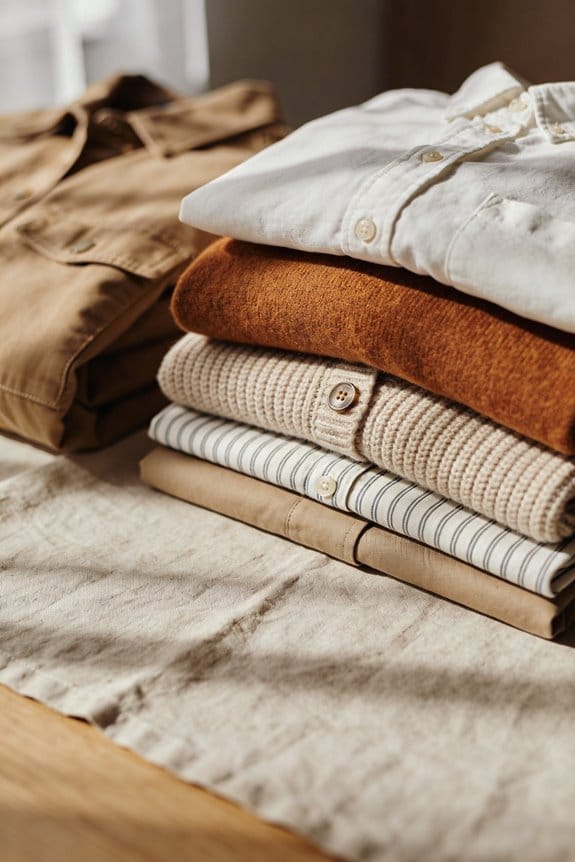
Sorting through seasonal clothes can feel overwhelming, can’t it? But deciding what to keep and what to donate doesn’t have to be a stressful task. Start by taking a good look at items you haven’t worn in over a year. Those pieces are usually the best candidates for donation, as it’s clear they’re not getting any use.
Then, think about your personal style. Does that shirt still reflect who you are today, or does it feel more like a remnant from a past phase? Updating your wardrobe with clothes you truly love can make a big difference in how you feel each day. And while you’re at it, check for trends that’ve faded away. Honestly, some pieces just don’t mesh with your vibe anymore, so why hang onto them?
Also, don’t forget to inspect the condition of your clothing. It’s okay to donate clean, wearable items, but be sure to recycle anything that’s damaged. It’s just good practice.
When deciding what to keep, consider material quality to ensure your clothing provides comfort and longevity.
Best Times to Donate Clothing for Maximum Impact
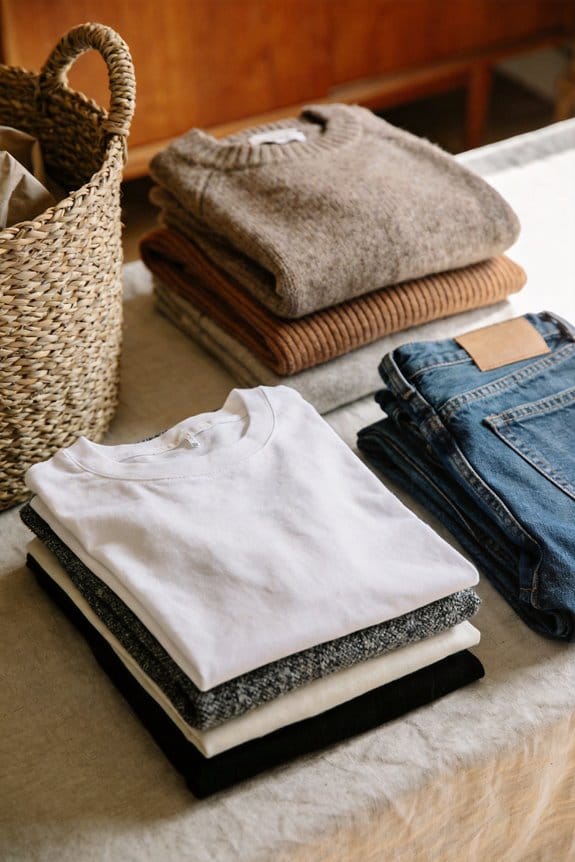
Have you ever thought about the best times to donate clothing? It’s not just about decluttering your closet; it’s about making a genuine difference in people’s lives. Timing your donations can ensure they reach those who need them most when help is crucial.
Starting in late fall, think about donating warm clothing. Shelters can use these donations to prepare for the cold months ahead, and trust me, they’re always grateful for the extra layers. Mid-winter is also key. You might not realize that many centers run low after the holidays, so any extra coats or blankets you can provide make a big impact.
As spring rolls around, it’s time for a change in wardrobe. Donating lightweight clothes and professional attire can help job seekers as they gear up for warmer weather. Fresh clothes can give them the confidence boost they need when heading into interviews.
When summer hits, it’s all about breathable clothing. Donations that help people stay cool during those hot days can be a real lifesaver. And once you’re thinking about what to part with, don’t overlook fall. It’s a smart time to donate kids’ clothes, especially backpacks and jackets. With back-to-school season, families are looking to prepare, and your help can go a long way.
So, why does this matter? Aligning your donations with these seasonal needs ensures that the items you give are truly helpful. Remember, timing is everything when it comes to making the most out of your generosity. Be mindful to choose items made from breathable materials to ensure maximum comfort for those in need.
Next time you’re ready to donate, think about the season and what’s needed; it could really change someone’s life. What items do you have in your closet that could help someone else?
Smart Ways to Store Seasonal Clothing
Storing seasonal clothing can be a hassle, right? It often feels like a mountain of fabric just waiting to swallow you whole. But it doesn’t have to be that way. Start by cleaning all your clothes and make sure to check those pockets for anything you might’ve stashed away—a forgotten receipt or a stray penny can make a difference.
Now, here’s the trick: use breathable canvas boxes or zippered bags. These will help keep mold and moisture at bay, ensuring your favorite pieces are in top shape when the season rolls back around. And don’t forget to label those storage containers clearly! There’s nothing worse than opening a box only to find out it’s full of last year’s beachwear when you were looking for a cozy sweater.
When it comes to organizing, think about the space you have. Maximize your closet by putting out-of-season clothes in harder-to-reach spots. Keep the things you’re wearing now front and center—this way, you’ll save time digging through everything. Honestly, it makes getting ready a whole lot easier.
And let’s be real—if you haven’t worn something in over a year, consider donating it. Not only does this create valuable space for the stuff you actually like and wear, but it also feels good to pass along clothes that could find a new home. Proper storage and thoughtful organization help maintain the integrity of fabrics over time.
Preparing Your Seasonal Clothes for Donation
Preparing seasonal clothes for donation can seem like a daunting task. Have you ever found yourself staring at a pile of unworn sweaters and summer dresses, feeling overwhelmed by where to start? It doesn’t have to be that way.
First things first, check those pockets! It’s crazy what you might find hidden in there—old receipts, some loose change, or even that favorite lip balm you thought you lost. After you clear out the pockets, make sure the clothes are clean and wearable. Truth is, damaged items should really go to recycling instead of the donation pile.
After sorting, you’ll want to pack everything up in clean bags or boxes. Try to fold the clothes neatly. This makes it so much easier for the people receiving them to see what you’ve donated. Let’s face it, nobody wants to rummage through a messy pile of clothes.
Timing is important, too. If you’re donating winter gear, aim to do it before the coldest months hit—think late fall. Summer clothes, on the other hand, are better suited for spring. It not only helps those in need but also gives your donation a bigger impact.
Finally, double-check what your local donation centers accept. This can save you both time and hassle later on. Maximizing your contributions can really make a difference.
For added convenience, consider choosing machine-washable fabrics to ensure donated clothes are easy to clean and maintain.
Why Decluttering Makes You Happier
Is your closet overflowing with clothes you never wear? You’re not alone. Many of us find ourselves staring at a jumble of outdated and unworn outfits, and the chaos can feel overwhelming at times.
When you decide to declutter your closet, it can feel like a breath of fresh air. Clearing out clothes that no longer serve you not only eases your mind but also makes getting dressed a lot simpler. You might realize that by letting go of those old pieces, you’re able to see your personal style more clearly. It’s pretty incredible how freeing it can feel to simplify your wardrobe.
An organized closet brings a sense of control back into your life. Think about it: when you keep only the clothes you truly love, you’re also creating a space that fosters creativity and confidence. No more second-guessing your fashion choices! Instead of digging through piles of clothes that don’t resonate with who you are, you’ll have a curated collection that reflects your true style.
To make this process smoother, here are some tips:
- Set a timer for 15 minutes and tackle one section of your closet at a time.
- Ask yourself: “Does this make me feel good?” If it doesn’t, it might be time to let it go.
- Consider donating clothes that are in good shape; it’s a great way to help others while clearing out your space.
So, why does this matter? Simply put, a decluttered closet can lead to a decluttered mind. The more organized your space, the easier it is to focus on what truly matters in life.
Truth is, incorporating regular decluttering habits can shift your mindset and make your daily routine feel a lot lighter. You’ll find that with less clutter around, there’s more room for positivity.
In the end, it’s all about creating a space that feels good to you. Have you tried decluttering your closet yet? If not, maybe it’s time to roll up your sleeves and give it a go! Remember that choosing clothes made from soft, breathable fabrics can also add to your everyday comfort and confidence.
Frequently Asked Questions
What Is the 3-3-3 Rule for Clothes?
The 3-3-3 rule for clothes means for every three items we keep, we should donate three. By using clothing criteria, we can simplify our wardrobe decisions and guarantee we only keep what’s truly valuable.
How Do I Know When It’s Time to Donate Clothes?
We’ve all hesitated, but donation signs become clear when we haven’t worn pieces in a year, feel overwhelmed by choices, or realize items no longer reflect our style. Let’s embrace a more functional wardrobe together!
What Is the 70/30 Wardrobe Rule?
The 70/30 wardrobe rule is our wardrobe strategy that suggests we keep 70% versatile staples and 30% trendy items. This balance simplifies our choices, reduces decision fatigue, and promotes more thoughtful fashion purchases.
How to Properly Store Seasonal Clothes?
When we think of clutter versus organization, effective storage solutions become essential. We should use breathable containers, clear labels, and regular assessments to keep our seasonal clothes in top shape, ready for future use.